

Water Feature Installation Guide for Your Backyard
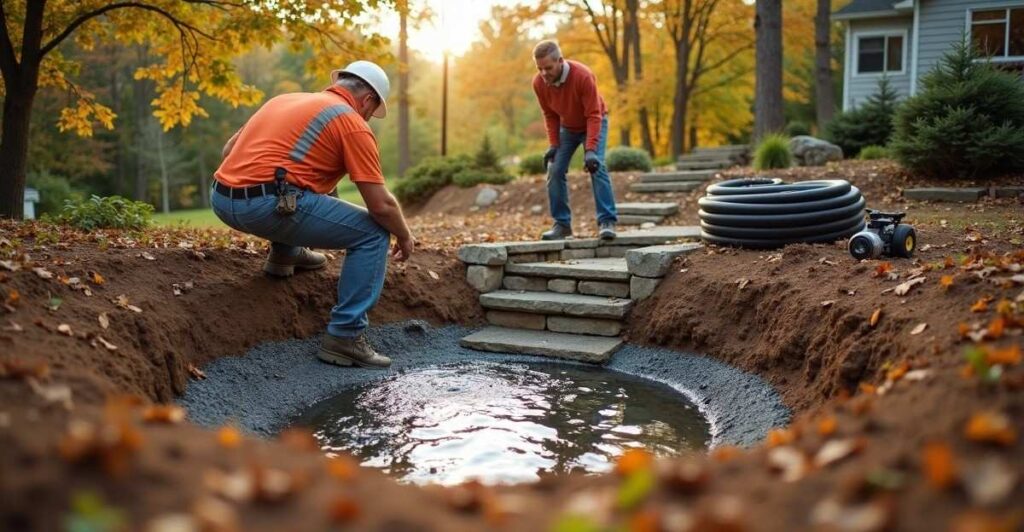
A well-planned water feature installation can bring movement, calm sounds, and more beauty to your yard. It can create a strong focal point and add character to an outdoor space. Flowing water can also make patios, gardens, and seating areas feel more relaxing and inviting. The right design can help homeowners use their outdoor areas in a more enjoyable way. However, a good water feature takes more than adding water, rocks, and a pump.
Outdoor Oasis considers the full setup before installation begins. Good planning includes choosing the right location and checking drainage around the yard. Pumps, plumbing, base preparation, and durable materials also affect how the feature works. Homeowners should also think about regular maintenance and local weather conditions. Minnesota weather can affect soil, water lines, and equipment, so careful preparation matters. A thoughtful plan helps the water feature fit naturally into the landscape and support long-term outdoor comfort.
What Is Water Feature Installation?
A water feature installation adds a pond, fountain, waterfall, or stream to an outdoor space. The process starts with a plan that fits the yard. A good design looks at the size, shape, and best spot for the feature. The type of water feature also affects how the team plans the work.
Preparing the Site
The team may dig the area to create space for the new feature. This step is called excavation. Workers then prepare a firm and level base. Good base work helps support the feature and keeps stones and other parts in place.
Adding the Main Parts
The next steps may include liners, reservoirs, pumps, and plumbing. Liners help hold water inside ponds and other features. A reservoir stores water, while a pump keeps it moving. Plumbing carries the water through the system. Stone can then create a natural look around the edges.
Planning for Safe Water Flow
Some features also need safe electrical connections to power pumps. Good drainage helps move extra water away from nearby areas. The team tests the system as well, so they can check the water flow and find leaks.
Fitting the Yard
Each project is different because every yard has its own size, slope, and soil. The type of feature also changes the work needed. Professional planning, therefore, helps the finished feature blend with patios, plants, paths, and the rest of the landscape.
What Types of Water Features Can You Install?
Backyard Ponds
Backyard ponds can give your yard a calm and natural look. You can add water plants, rocks, and fish to create more life. Ponds can also have different depths based on their size and purpose. A good filter helps keep the water clean and clear. Regular care, such as removing leaves and checking the pump, helps the pond stay healthy. A planned water feature installation can also help the pond fit well with the rest of your yard.
Pondless Waterfalls
Pondless waterfalls give you moving water without an open pond. Water flows over rocks and then enters a hidden reservoir below the ground. A pump, in turn, sends the water back to the top. This setup can reduce concerns linked to standing water. Homeowners can also read CDC guidance on mosquito breeding conditions to learn why standing water can attract mosquitoes. The flowing water also adds a soft and relaxing sound to your yard.
Landscape Fountains
Landscape fountains come in many sizes and styles. Small fountains can work well near patios, gardens, and entry areas. Larger fountains can fill more open spaces. They can add movement and sound without taking up much room. A fountain, therefore, can become an easy focal point that draws attention and adds charm to the landscape.
Streams and Cascades
Streams and cascades can create a natural flow through the yard. They work well on sloped land because water can move downhill. Rocks can guide the water and create several small drops along its path. Plants around the edges can also soften the look. A well-planned stream can blend with gardens, patios, paths, and other parts of the landscape.
How to Choose the Right Water Feature
The right water feature should fit your yard, needs, and daily life. Good water feature installation starts with a close look at your outdoor space. You should think about how the feature will look and sound. You should also plan for care, safety, and cost.
- Yard size and space: Check how much open space you have. A small yard does not always need a small-looking feature. Smart design can make a compact feature feel larger and more natural.
- Slope and sunlight: Look at the slope of your land and how much sun it gets. These details can affect water flow, plant growth, and the best location.
- Trees and nearby features: Check for trees, patios, retaining walls, and other structures. Falling leaves can add more cleaning. The feature should also blend well with these parts of your yard.
- Views and seating: Think about where you want to see the water. Good placement can improve views from patios, windows, decks, outdoor kitchens, and seating areas. Learning how to design an outdoor living space can also help you plan these areas as one complete space.
- Sound and safety: Decide how much water sound you want. Think about children and pets as well. The right depth and design can help the space better match your family’s needs.
- Care and budget: Think about how much time you want to spend on care. Ponds, fountains, and waterfalls can have different needs. Your budget should cover the design, materials, pumps, labor, and future care.
Your preferred look should also guide your choice. Some people want a natural pond, while others prefer a clean fountain. A well-planned water feature installation MN project should match your yard, budget, and outdoor style.
Planning a Water Feature Installation
Good planning helps a water feature work well for a long time. A careful water feature installation plan looks at the whole yard before work starts. This helps prevent water problems, poor placement, and extra repairs later.
Choose the Best Location
Choose a spot where you can easily see and enjoy the water. Check how much sun and shade the area gets each day. Nearby trees can drop leaves into the water and create more cleaning work. The team should also check access and existing utility lines. Nearby patios and other hardscape construction should also be part of the plan.
Check the Yard Grade
The slope of your yard affects where water moves. Low spots may collect rain and create wet areas. Runoff from roofs, lawns, and patios can also affect the feature. Good drainage, therefore, helps move extra water away from places where it may cause problems.
Plan the Water Flow
The pump must move enough water through the feature. Installers consider the amount of water, pump size, and waterfall height. They also check how high the pump must push the water. The plumbing layout, in turn, helps control the flow and keeps water moving through the system.
Plan Electrical Access
Most pumps need a safe source of power. Outdoor electrical connections should use proper protection against electric shock. A GFCI can quickly shut off power when it detects a problem. A qualified professional should handle electrical work and make sure the setup follows local safety rules.
Water Feature Installation Step by Step
A professional water feature installation follows clear steps from planning to final testing. Each step helps the feature look good and work as planned. Careful work also helps prevent leaks, poor water flow, and drainage issues. The landscape installation process explained in simple steps can help homeowners know what to expect.
1. Inspect the Property
The team first looks at the whole yard. They check the layout, slope, soil, drainage, and access. Patios, walls, trees, and other structures also affect the plan.
- Yard grade: The slope shows where rain and runoff may travel.
- Soil conditions: The soil can affect digging, drainage, and base work.
- Site access: The team checks how workers and equipment can reach the area.
2. Create the Design
The team creates a design that fits the yard and homeowner’s goals. They choose the size and shape of the feature. They also plan the water flow, stone placement, and nearby plants. Viewing angles matter as well. A good design should look natural from patios, windows, decks, and seating areas.
3. Mark the Installation Area
Workers mark the project area before they start digging. These marks show the size and shape of the planned feature. They also help the team see how it will fit with nearby spaces. Good marking, therefore, can prevent changes after digging starts.
4. Excavate the Area
Excavation creates the space needed for the feature. The amount of digging depends on its size, shape, and depth.
- Remove soil: Workers remove soil from the marked area.
- Shape the basin: They form the correct shape for the pond, waterfall, or reservoir.
- Plan access: Enough space is needed for workers, tools, and equipment.
This stage of water feature installation MN needs careful work because the shape affects later steps.
5. Prepare the Base
The team creates a strong and level base before adding the main parts. They may use compacted aggregate to make the ground more stable. A firm base can help reduce settling and unwanted movement over time.
- Compaction: Workers press the base material firmly into place.
- Level surface: A level area helps support the feature.
- Stable support: Good base work helps stone and other parts stay in place.
6. Install Liners, Basins, and Plumbing
The team may add underlayment first to protect the liner. They then install the liner, basin, or hidden reservoir based on the design. Plumbing carries water through the system. Pumps keep the water moving, while filters can help remove dirt and debris. Each part must fit and work with the full system.
7. Place Stone and Landscape Materials
Stone helps the feature look like part of the yard. Workers may use boulders, smaller rocks, and gravel around the water. Plants can soften the edges and add color.
- Boulders: Large stones can add shape and a natural look.
- Gravel: Small stones can cover open areas and finish edges.
- Plants: Plants can help connect the feature with nearby landscaping.
Good placement helps create a smooth change from the water feature to the rest of the yard.
8. Fill and Test the Water Feature
The final stage of water feature installation includes filling and testing the system. The team starts the pump and checks how the water moves. They look for leaks and make changes to the water flow when needed. They also test the drainage to make sure extra water moves to the right place. After testing, the team cleans the work area and completes a final check.
Building Water Features for Minnesota Weather
Plan for Minnesota Soil
Many Minnesota yards have clay-heavy soil. Clay can hold water and drain much slower than other soil types. Heavy rain can make the ground even wetter. This can lead to settling or movement around a water feature. Good water feature installation starts with checking the soil and preparing the site for these local conditions.
Prepare for Freezing and Thawing
Minnesota winters can freeze the ground for long periods. The soil expands as it freezes and moves again when it thaws. This process can cause frost heave, which may push stones or other materials upward. A compacted base, therefore, can help create stronger support. Stable stone placement also helps reduce unwanted movement.
Control Drainage and Runoff
Rain and melting snow can send a lot of water through the yard. Correct grading helps guide runoff away from areas where water could collect. Proper drainage also helps control wet soil near the feature. Good overflow planning gives extra water a safe path during heavy rain. Careful water feature installation should include these drainage needs from the start.
Choose Strong Materials
Durable liners help hold water and protect the main basin. The liner should fit the size and shape of the feature. Stones also need firm support, so they stay more stable as the ground changes. Good materials work best when the base, drainage, and grading are also planned well.
Connect the Whole Landscape
A water feature should work with the rest of the yard. Patios, walls, planting beds, and drainage paths can all affect water movement. Using full project management can help connect these parts under one clear plan. This approach can also make it easier to spot drainage or grading needs before work begins.
Water Feature Maintenance After Installation
Every outdoor water feature needs some care to keep it working well. The amount of care depends on the type, size, and location. Good water feature installation can make regular care easier, but no outdoor water feature is fully maintenance-free.
Remove Leaves and Debris
Leaves, grass, sticks, and dirt can collect in the water. Remove this debris before it reaches the pump or filter. Regular cleaning, therefore, can help keep water moving and reduce buildup.
Check Pumps and Filters
Pumps move water through the feature, so check them for dirt and debris. Filters also need cleaning when they collect too much waste. Clean parts can help the system maintain steady water flow.
Watch Water Levels
Water levels can drop during hot or dry weather. Check the level often and add water when needed. You should also watch for leaks around liners, plumbing, pumps, and other parts.
Manage Algae
Some algae growth is normal in outdoor water. Too much algae can affect the look and flow of the feature. Removing debris, keeping water moving, and cleaning filters can help control buildup.
Care for Each Feature
Fountains often need simple pumps and water checks. Ponds may need more care because they can contain plants and fish. Pondless waterfalls may need less cleaning, but their pumps and hidden reservoirs still need care. A backyard renovation checklist can help homeowners plan this work with other yard care tasks.
Should You Hire a Professional for Water Feature Installation?
Some water feature projects are simple, while others need more planning and skill. Professional water feature installation may help when a project includes large or complex parts. Homeowners can still explore DIY options for smaller projects that fit their skills.
Consider the Project Size
Large ponds and pondless waterfalls can involve deep digging and many parts. Also it can be hard to move and place safely.
- Large ponds: Bigger ponds may need more excavation, plumbing, and filtration.
- Pondless waterfalls: These features need the right basin, pump, and water flow.
- Large boulders: Heavy stones need careful placement and strong support.
Look at Your Yard
Some yards can make installation harder. Steep slopes, drainage problems, and Minnesota soil may need extra planning. Existing patios and retaining walls can also affect the design. A professional can study these areas and plan how each part should work together.
Check Technical Needs
Water features often need pumps, plumbing, and outdoor power. Electrical work needs safe connections that meet local rules. Drainage also matters because poor water flow can create wet areas around the yard.
Compare Your Options
Take time to compare contractors before making a choice. Learning how to choose a landscaping contractor can help you know what questions to ask.
- Experience: Ask about similar water feature projects.
- Process: Learn how the team handles design, drainage, materials, and installation.
- Support: Ask about maintenance help, communication, and clear estimates.
Outdoor Oasis can discuss the yard, project goals, and possible design needs with homeowners. Comparing past projects and clear estimates can also help you make a choice that fits your space and budget.
Ready to Bring the Sound of Water to Your Yard?
Outdoor Oasis helps Minnesota homeowners plan water feature installation that fits their yard and outdoor living space. Our Landscape Water Features can include ponds, fountains, waterfalls, and other custom ideas. We can discuss your design, yard conditions, drainage, budget, maintenance needs, and project goals.
Ready to explore what may work for your property? Contact us to talk about your ideas and learn more about your options. You can also get a quote based on your space, needs, and budget. Call Outdoor Oasis at 952-299-0375 to start planning a water feature that feels like a natural part of your yard.
FAQs
How long does water feature installation take?
The time needed for water feature installation depends on the size and design. A small fountain may take less time than a large pond. Yard access, soil, weather, drainage, and stone work can also affect the schedule. Your installer can review the site and give you a clearer project timeline.
What type of water feature is easiest to maintain?
Pondless waterfalls and small fountains often need less care than large ponds. They still need regular cleaning and pump checks. Ponds may need more care because they can have plants, fish, filters, and more open water. The best choice depends on how much time you want to spend on upkeep.
Does a water feature need electricity?
Most water features need electricity to run the pump. The pump keeps water moving through fountains, ponds, and waterfalls. Some systems may also use filters or other equipment. Outdoor electrical connections need proper safety protection. A qualified professional can help make sure the electrical setup follows local rules.
Can a water feature handle a Minnesota winter?
A well-planned water feature can be designed for Minnesota weather. Proper drainage, a strong base, and durable materials can help with changing ground conditions. Pumps and other parts may also need winter care. The right steps depend on the feature, so follow the installer or equipment maker’s winter care advice.
How often should I maintain my water feature?
Most water features need regular care during the warmer months. Remove leaves and debris, check water levels, and watch the water flow. Pumps and filters may also need cleaning. Ponds can require extra care for plants and fish. Seasonal spring and fall care can also help prepare the system for changing weather.