

Pergola vs Gazebo: Which Outdoor Structure Is Better for Your Backyard?
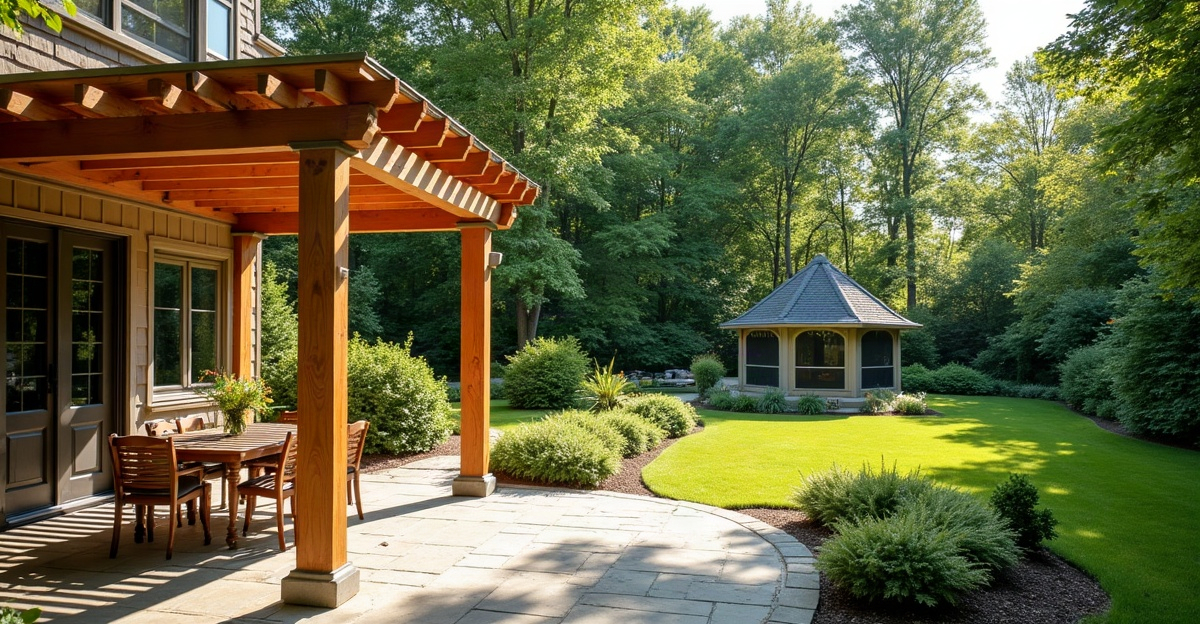
A pergola vs. gazebo choice depends on the weather protection, privacy, and visual openness a backyard needs. We recommend pergolas for open-air patios and filtered shade near the home. Gazebos provide a solid roof and a more defined gathering area farther into the yard.
Key Takeaways
- Pergolas use open or slatted roofs for partial shade, while gazebos provide steadier shade and light-rain coverage with a solid roof.
- We often recommend a pergola over a patio near the home, while a gazebo can create a separate destination space in a larger yard.
- Minnesota snow loads, wind exposure, freeze-thaw cycles, footings, and drainage should guide the structure’s design and installation.
- Wood, vinyl, composite, aluminum, and steel each offer different maintenance requirements, service lives, and design choices.
- Project costs include more than the structure. We also consider site preparation, foundations, patio connections, electrical work, drainage, permits, and site access.
The Quick Answer: Which Structure Fits Your Backyard Use?
Neither structure is automatically better. In a pergola vs. gazebo decision, the right fit depends on the shade we want, weather exposure, privacy, budget, available space, style, and how we plan to use the area.
A pergola usually has open posts with crossbeams or slats overhead. It creates filtered shade, keeps an open-air patio feel, and works well with climbing plants and landscaping. A standard open-roof pergola is not a rain shelter.
A gazebo is usually freestanding with a solid roof and a more defined footprint. It provides steadier overhead cover, a clear gathering area, and more protection from sun and light rain. Railings, screens, or partial walls can add privacy and enclosure.
For homeowners, property managers, and small business owners in Shakopee and nearby Scott, Carver, Dakota, and Hennepin County communities, the gazebo vs. pergola choice often comes down to placement. Pergolas fit naturally near the home and patio. Gazebos work well farther into the yard as a destination space.
Pergola vs. Gazebo at a Glance
| Feature | Pergola | Gazebo |
|---|---|---|
| Roof structure | Open or slatted roof | Solid, covered roof |
| Shade level | Partial or filtered shade | More reliable, consistent shade |
| Rain and snow protection | Limited protection in a standard design | Better sun and light-rain coverage; snow performance depends on engineering and roof design |
| Wind exposure | Needs site-specific anchoring and design | Also needs site-specific anchoring and design |
| Privacy potential | Plantings, curtains, or screens can help | Screens, railings, or partial walls create a more enclosed feel |
| Best location | Over a patio near the home | Farther into the yard as a gathering destination |
| Materials | Wood, vinyl, composite, aluminum, or steel | Wood, vinyl, composite, aluminum, or steel |
| Maintenance | Depends on material and added roof or canopy systems | Includes roof, runoff, screens, and structural upkeep |
| Design flexibility | Easy to blend with patios, planting beds, and modern layouts | More defined footprint with focal-point character |
| Foundation needs | Stable base and footings suited to soil and loads | Stable base and footings suited to soil and loads |
| Best use cases | Open-air dining, lounging, and plant-supported shade | Covered seating, dining, and defined gatherings |
A retractable fabric canopy, louvered roof, or polycarbonate panels can change a pergola’s shade and rain performance. Those additions vary by product. Snow-load capacity, drainage, wind resistance, and maintenance must be reviewed before installation. We should not assume every pergola system can handle a Minnesota winter.
Typical pergola cost factors and gazebo cost factors include size, materials, roof style, engineering, footings, access, electrical work, lighting, screens, patio construction, grading, drainage, demolition, permits, and custom details.
Choose a Pergola If…
Choose a pergola if we want filtered sunlight rather than full overhead coverage. It is often the best pergola for patio settings where outdoor dining, lounging, an outdoor kitchen, or a seating area connects directly to the home. An open structure can feel lighter in a compact backyard and leaves more visual connection to planting beds and lawn areas.
Pergolas also suit climbing plants and layered landscaping. Their clean lines work especially well with pavers, contemporary materials, and a coordinated outdoor living design. We can position one over a patio without making the space feel closed in.
Choose a gazebo if we want a solid roof overhead and a covered zone with a stronger sense of separation from the house. A gazebo for backyard gathering space can give families a dedicated place for meals, conversation, games, or relaxing during light rain. Screens, railings, and partial walls can improve privacy and help define the area.
A gazebo needs enough room around it for access, circulation, and comfortable furniture placement. In a small yard, its roofline and footprint may feel heavy. In a larger yard, it can become a natural focal point that draws people beyond the patio.
Minnesota Weather, Footings, and Drainage Matter More Than the Style Alone
A Minnesota pergola or Minnesota gazebo needs to suit the site as well as the style. Heavy snow, freeze-thaw cycles, wind, and water movement all affect long-term performance.
Snow-load requirements vary by structure, material, roof design, and municipality. We recommend confirming current requirements with the local building department, Minnesota building-code resources, and manufacturer documentation before selecting a covered system. A structure that looks right on paper may not suit the loads or exposure at a particular property.
Freeze-thaw movement can affect footings, patio edges, posts, and foundations. Proper footing depth or an engineered foundation approach helps keep the structure stable. Wind also deserves careful attention on open lots, properties near fields or lakes, and elevated areas. Posts, roof systems, screens, and canopies need installation methods suited to the actual site.
Water management matters at every stage. Roof runoff should not wash out a patio base, saturate planting beds, or create icy patches near walkways. We also need to keep water moving away from the home foundation. Low or persistently wet areas may need grading, drainage work, retaining, or a properly prepared base before construction begins.
A pergola over a paver patio near the home is often a practical dining and lounging setup. A gazebo farther into the yard can create a separate gathering area. Structures near a pool, fire feature, or outdoor kitchen need safe circulation and clearances. Our hardscape construction work helps coordinate the patio, base, access paths, and structure as one lasting project.
Materials, Maintenance, and Long-Term Performance
Wood offers warmth, character, and broad customization options. It may need staining, sealing, and periodic repairs as moisture and seasonal temperature changes take their toll.
Vinyl and composite systems can reduce routine maintenance. Still, every system has limits related to design, structure, temperature, and accessories. Aluminum and steel can provide a clean, durable look, but local snow and wind conditions should guide product selection and installation.
Gazebo maintenance includes the roof itself, flashing or drainage details where applicable, and any screens, lighting, or electrical features. A solid roof improves weather coverage but adds structural load and directs more runoff into specific areas.
Before finalizing outdoor shade structures, we should account for grill heat and smoke, furniture clearance, access paths, privacy from neighbors, views from inside the home, and the connection between the home, patio, yard, and landscape. Low-cost prefabricated structures may work in some settings, but they are not always appropriate where snow, wind, drainage, or footing conditions call for a more durable solution.
Planning, Permits, Costs, and Questions to Ask Before Building
A pergola or gazebo installed as part of a larger patio project has different cost considerations than a standalone kit. Site preparation, footings, patio integration, electrical service, lighting, drainage, and access can have as much impact on the investment as the structure itself.
Questions We Should Answer Before Building
Before moving ahead, clarify these points:
- Is a pergola or gazebo better for shade? A gazebo provides more consistent shade because it has a solid roof. A pergola provides filtered shade unless we add a compatible roof or canopy system.
- Does a pergola protect against rain? A standard open-roof pergola does not. Added panels, louvers, or canopies may help, depending on the product and installation.
- Can a pergola handle Minnesota snow? Some systems can, but we need to verify manufacturer specifications, engineering, drainage, and local requirements.
- Does a gazebo need a foundation? It needs a stable base and footing or foundation design suited to the soil, loads, and freeze-thaw conditions.
- Is a gazebo more expensive than a pergola? It can be, largely because of its solid roof, structural requirements, and added features. Final cost depends on the full project scope.
- Can we build a pergola on a paver patio? Yes, if the patio base, post locations, footings, and structure are planned together.
- Do we need a pergola permit in Minnesota or a gazebo permit in Minnesota? Requirements vary by municipality, structure size, setbacks, easements, HOA rules, and whether the structure attaches to the home. We should verify local requirements before construction.
- Which outdoor structure is best for a small backyard? A pergola often feels less visually heavy. A compact gazebo can work if the yard has enough clearance around it.
We should also arrange utility locates before excavation, including Gopher State One Call where applicable. Local rules and site conditions can change, so municipal guidance should be confirmed before work begins.
Outdoor Oasis can evaluate layout, drainage, material options, and how a pergola or gazebo will function as part of a new patio or backyard renovation. We bring the same practical planning to outdoor living spaces across Shakopee and the surrounding area. For site-specific guidance, contact Outdoor Oasis to start a straightforward conversation.