

Pondless Water Feature Ideas: Beautiful Designs for Any Yard
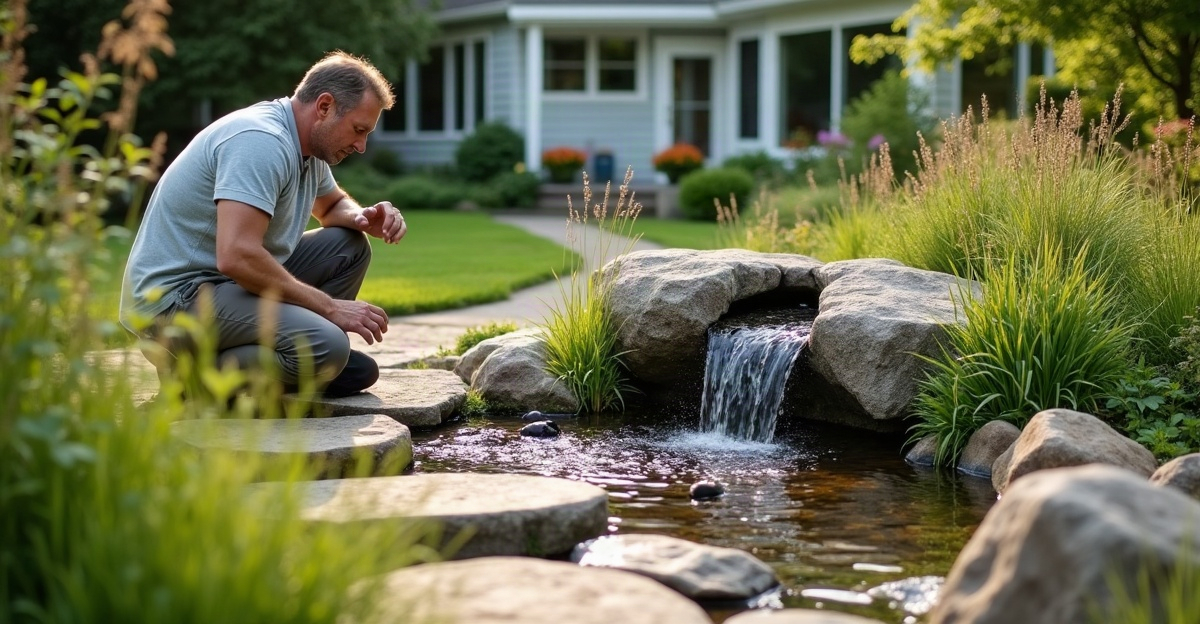
Pondless water feature ideas include bubbling boulders, urn fountains, disappearing streams, and waterfalls that recirculate water through a hidden underground reservoir. We match each design to the yard size, preferred sound level, drainage needs, patio or path placement, and Minnesota maintenance and winter care requirements.
Key Takeaways
- We create pondless features that deliver moving water and soothing sound without an exposed pond or fish habitat.
- Compact fountains and bubbling boulders work well in entry beds, patios, and small gardens. Waterfalls and streams require more space and careful planning.
- We scale the feature, stone selection, water flow, and placement to complement the home, plantings, and outdoor living spaces.
- We plan excavation, reservoir capacity, drainage, electrical access, and secure stonework for dependable long-term operation.
- Regular debris removal, water-level checks, pump maintenance, and winterization help protect pondless systems during Minnesota winters.
How Pondless Water Features Work—and Which Style Fits a Yard
Pondless water feature ideas bring movement, water sound, and visual interest to a landscape without the open-water upkeep of a traditional pond. A pondless system recirculates water from a concealed underground reservoir through a recirculating pump and back to the top of the feature.
A pondless waterfall sends water over natural stone and into the hidden reservoir below. A disappearing stream works the same way, carrying water along a stone-lined course before it disappears beneath gravel or rock. A pondless fountain uses a focal point such as a bubbling boulder, urn, sphere, or basin, with water circulating through and around that element.
These systems usually need less attention than fish ponds because there are no fish, exposed pond surface, or pond ecosystem to manage. Still, they are not maintenance-free. Water levels, leaves, pump performance, and seasonal care all need attention.
The best choice depends on available space, preferred sound level, landscape style, visibility, drainage, maintenance comfort, and Minnesota weather conditions. We help homeowners weigh those details before construction begins, so the feature looks appropriate and works reliably for the long term.
Pondless Water Feature Ideas for Small Gardens, Patios, and Entry Areas
Compact water features can make an entry planting bed, courtyard, or patio feel settled without taking over the yard. Many pondless water fountain ideas work especially well where space is limited and close-up views matter.
A bubbling boulder fountain is one of the most practical options. Water rises through a drilled natural stone and spills gently over the surface before returning to the underground reservoir. It has a small footprint, a calm sound, and a natural appearance that fits planting beds, front walks, patios, and small gardens. Stable stone setting and splash control matter, especially near walkways.
An urn fountain gives formal gardens and entry areas a clear focal point. Water can flow softly from the top of the vessel or create a more noticeable spill over its sides. Stone, ceramic, and metal vessels each create a different character. The vessel should fit the home, surrounding plants, and nearby hardscape rather than stand apart from them.
A basalt column fountain or stone sphere fountain suits contemporary and transitional spaces. These features work well beside clean-lined patios and modern planting schemes. Matching the stone color, feature scale, and surrounding materials to the home creates a finished result.
A water feature for a front yard can also be built into a planting bed near an entrance or front walk. This placement adds curb appeal and gives residents a pleasant view from inside the home. We keep the feature visible without creating a wet or slippery condition near paths. Mulch, leaves, and loose soil also need to stay out of the reservoir.
Small container fountains can be manageable projects for experienced DIY homeowners. Permanent in-ground patio water feature systems require more planning. Excavation, reservoir sizing, liner installation, pump sizing, drainage, and safe electrical connections all affect performance.
Pondless Waterfall and Stream Ideas for Backyards and Larger Properties
A pondless waterfall creates a stronger focal point where there is room for stone, planting, and a useful viewing area. It can sit at a garden edge, beside a patio, or within view of a window or seating area.
A stacked-stone or natural stone waterfall can produce a soft, steady flow or a louder cascade. Drop height, water volume, stone shape, and spillway layout determine the sound. A modest fall may support conversation on a patio, while a taller waterfall can help soften nearby road noise.
A disappearing stream is often a good fit for sloped yards or naturalized areas. Water can travel through a planted corridor, curve around boulders, and disappear into its reservoir at the lower end. Proper grading and pondless water feature drainage planning are essential. Stormwater should never flow into the system and overwhelm it with soil, mulch, or runoff.
Multi-level pondless waterfall ideas suit larger properties with natural elevation changes. These installations need to stay proportional to the home and yard. Stable stone placement, equipment access, and room for excavation all matter before the first stone arrives.
A patio waterfall can become part of an outdoor living area when it is planned alongside pavers, seating walls, outdoor kitchens, or fire features. Careful construction keeps splash away from foundations, walking surfaces, furniture areas, and cooking spaces. We can coordinate hardscape construction with the water feature so each element feels intentional.
Larger features are not simple decorative rock arrangements or easy weekend projects. A dependable backyard waterfall relies on excavation, liner placement, reservoir capacity, pump selection, plumbing, electrical access, drainage, grading, and secure stonework.
How to Choose the Right Pondless Water Feature
Knowing how to choose a pondless water feature starts with the property rather than a product catalog. A larger feature is not always the better choice. The scale should suit the home, planting beds, patios, and open lawn around it.
Sound deserves early attention. Gentle bubbling works well near bedrooms, front entries, and quiet seating spaces. A moderate trickle can support a relaxed patio setting. Louder falling water needs enough distance from neighbors and conversation areas to remain enjoyable.
Style should guide material choices. Natural landscapes often use irregular stone and layered planting. Modern designs may favor basalt columns, spheres, and simple lines. Formal settings can support urns and symmetrical placement. Transitional properties often blend natural stone with orderly planting and pavers.
Placement affects daily enjoyment. We look for views from patios, windows, entrances, and indoor living areas. Pondless waterfall placement should also account for sun exposure, nearby trees, access for maintenance, and material delivery. Full sun can contribute to algae growth, while trees add leaves and debris.
Water feature near patio placement requires firm splash control. Water must stay away from walkways, foundations, seating areas, and surfaces where moisture could cause problems. Site review should also include slopes, runoff paths, and existing drainage patterns.
Pondless water feature safety relies on secure boulders, stable non-slip surfaces, clear path visibility, and protected electrical connections. Child and pet needs should shape feature depth, stone layout, and surrounding access. A qualified installation also provides access to pumps, filters, and intake areas for routine service.
What Reliable Installation Requires—and What Drives the Investment
Permanent pondless waterfall installation begins below ground. The visible stone or fountain vessel is only part of the system. Reliable operation depends on correct excavation, liner placement, reservoir sizing, pump selection, plumbing, rock placement, electrical access, landscape drainage planning, and final site grading.
A reservoir is the underground basin that holds recirculating water. A recirculating pump moves that water from the reservoir to the top of the feature. The liner is the waterproof layer that guides water back into the reservoir. Winterization refers to seasonal steps that protect the pump, plumbing, and other components from freezing conditions.
Pondless water feature cost factors vary from one property to the next. Feature size, excavation difficulty, soil conditions, equipment access, reservoir capacity, pondless waterfall pump requirements, lighting, stone type, electrical work, and grading all affect the scope. Integration with patios, planting beds, retaining walls, or other hardscape elements also changes the work involved.
A site-specific plan gives a clearer picture than a generic price range. We assess access, soils, drainage, scale, and construction needs before recommending a direction. This approach prevents shortcuts that can lead to poor circulation, shifting stone, drainage issues, or difficult maintenance later.
Professional water feature installation is especially valuable for larger waterfalls, disappearing streams, and hardscape-integrated features. Proper construction supports safety, dependable water movement, long-term appearance, and service access. Homeowners can review examples of completed work in our landscape project gallery and discuss suitable options through our water feature services.
Minnesota Maintenance, Winter Care, and Common Questions
A Minnesota pondless waterfall can be a practical choice because it avoids an exposed pond, but it still needs regular care. During warm weather, homeowners should monitor water levels, remove leaves and debris, check pump performance, and clean filters or intake areas as needed. The reservoir area also needs occasional inspection.
Pondless waterfall winterization is important in Minnesota. Depending on the system and manufacturer guidance, the pump may need removal, protection, or a specific seasonal shutdown process. Freeze-thaw cycles can affect plumbing, fittings, stone, and basin components if the feature is not prepared correctly.
Winter operation is a specialized design decision, not a default expectation. Most systems are enjoyed during warm months and shut down for winter. A feature intended to run in freezing conditions needs planning from the start and should be discussed as part of the design.
Proper drainage remains essential in Shakopee and throughout the Twin Cities south metro. Local soil conditions, runoff patterns, and freeze-thaw exposure should be assessed before construction so stormwater does not overwhelm or contaminate the underground reservoir.
Common Pondless Water Feature Questions
Here are direct answers to questions we hear most often:
- A pondless waterfall carries water over stone or through a stream course, while a pondless fountain focuses on a decorative element such as an urn, boulder, or column.
- Pondless water feature maintenance is usually straightforward but still includes debris removal, water-level checks, pump inspection, and seasonal care.
- The space needed for a pondless waterfall depends on its scale. Small falls can fit near patios or planting beds, while streams and multi-level designs need more room.
- Properly built systems can work well for homes with children or pets because they do not have an exposed pond. Secure stone, clear paths, and electrical safety still matter.
- These features recirculate water rather than continuously using fresh water. Initial filling and seasonal top-offs are normally needed.
- A waterfall can be added near a patio or retaining wall when drainage, splash control, foundation clearance, and construction access are handled correctly.
For Shakopee water feature installation and projects across Scott, Carver, Dakota, and Hennepin Counties, we welcome a practical conversation about placement, drainage, hardscape integration, and long-term maintenance. Contact Outdoor Oasis to discuss what fits the property.