

Landscape Enhancements That Improve Your Outdoor Space
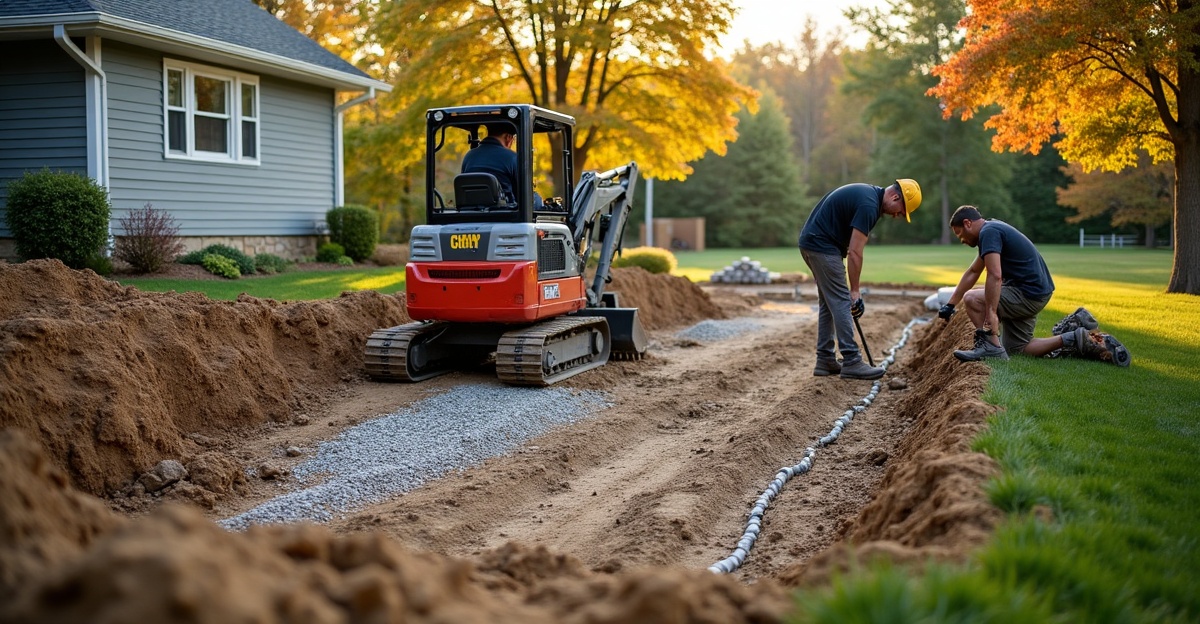
Landscape enhancements that improve outdoor spaces in Minnesota must address freeze–thaw cycles, clay soils, and drainage challenges before focusing on appearance. In Shakopee and nearby counties, we achieve lasting results through precise excavation, solid base preparation, and site-specific water management that support patios, retaining walls, walkways, and defined outdoor living areas.
Key Takeaways
- Long-term performance relies on correct grading, proper excavation depth, and a compacted base rather than surface materials alone.
- Paver patios, engineered retaining walls, and integrated drainage systems prevent settling, erosion, and standing water.
- Functional backyard layouts improve flow, usability, and maintenance with clear zones and durable walkways.
- Front-yard upgrades should balance curb appeal with structural stability to prevent heaving, runoff, and soil movement.
- Address safety and structural repairs first, then phase in aesthetic improvements after we establish a stable foundation.
Landscape Enhancements That Deliver Long-Term Value in Minnesota’s Climate
Minnesota weather tests every outdoor surface we build. Freeze–thaw cycles, snow load, spring melt, and shifting soils all put pressure on patios, walkways, and retaining walls.
In Shakopee and across Scott, Carver, Dakota, and Hennepin Counties, we often see clay-heavy soils that hold water and expand. That movement leads to patio settling, erosion on sloped lots, and pooling water near foundations. Poor base preparation makes the problem worse. Surface materials get the blame, but the real issue usually sits below grade.
Strong landscape enhancements start with correct excavation depth, proper grading, and a compacted base that supports what’s on top. Drainage planning plays just as big a role as the pavers or wall block selected. Without it, even high-end materials will shift or fail over time.
Cosmetic changes can improve appearance in the short term, but they rarely solve structural concerns. Functional outdoor landscape upgrades correct drainage, stabilize soil, and create usable space that performs year after year. That’s where long-term value comes from. The goal isn’t dramatic claims about resale. The goal is protecting property, improving day-to-day usability, and building features that hold up through Minnesota winters.
Functional Upgrades That Solve Drainage, Erosion, and Structural Issues
Real landscape improvement ideas address the reason a space isn’t working. In this region, that often means water management and soil movement.
Core Structural Improvements That Last
The following upgrades consistently solve long-standing site problems when installed correctly:
- Paver patios: Interlocking pavers perform better than poured concrete in freeze–thaw conditions. They flex slightly as the ground moves, which reduces wide cracking. If a section settles, we can lift and reset affected areas without removing the entire patio. Success depends on proper excavation, a thick compacted aggregate base, and solid edge restraint. Homeowners should expect occasional joint sand maintenance and minor leveling over time, especially after severe winters.
- Retaining walls: Sloped yards benefit from engineered walls that manage soil pressure and control erosion. Footings must sit below frost depth where required, with compacted base material and drainage stone behind the wall. We also install proper drainage to relieve hydrostatic pressure. In many backyards, walls create flat, usable space for seating, play areas, or future patio extensions.
- Drainage solutions: Correct grading directs water away from foundations. Downspout extensions, swales, and subsurface drains help move runoff safely across the property. Prioritizing water management protects foundations, reduces ice buildup, and prevents landscape washout during heavy rains.
Every one of these outdoor landscape upgrades connects directly to a property challenge. We’re not installing walls because they look impressive. We’re correcting slope issues, stabilizing soil, and preventing long-term damage.
When structural elements are needed as part of a larger project, we approach them through proper hardscape construction practices, with attention focused on what’s below the surface as much as what’s visible.
Backyard Enhancements That Improve Usability and Flow
Backyard enhancements should make daily life easier. A well-planned layout creates clear movement between the house, garage, driveway, and yard without cutting across grass or squeezing past planting beds.
Defined outdoor living spaces bring structure to open yards. A patio with intentional seating areas keeps gatherings comfortable and organized. Some homeowners add fire features where space and local codes allow, creating a natural focal point for cooler evenings. When planned correctly, these additions become part of a cohesive outdoor living space rather than an afterthought.
Walkways are often overlooked, yet they greatly improve flow. A solid path between a driveway and backyard patio reduces wear on turf and makes winter snow removal more manageable. Proper base preparation ensures those paths stay even and safe.
Dividing a yard into clear zones also increases functional square footage. One area may serve as dining space. Another may handle play equipment or a garden. Clean borders and durable materials cut down on trimming and edging time. Thoughtful transitions between patio and planting beds reduce maintenance headaches.
Usability drives these upgrades. Families need room to move. Homeowners want spaces that support everyday routines as well as weekend gatherings. Flashy additions without a plan often become underused corners. Practical design avoids that outcome and keeps maintenance realistic.
Curb Appeal Landscaping That Makes a Strong First Impression
Curb appeal landscaping works best when it corrects slope issues, frames the entry, and provides a clean transition from driveway to front door.
Entry walkways built with pavers offer durability and visual clarity. They guide guests safely, even after heavy rain or snow. Like backyard patios, they depend on proper base preparation and drainage to prevent heaving and settling.
Retaining walls in the front yard often serve two purposes. They manage grade changes and create a defined, level area for lawn or planting beds. When built correctly, they prevent erosion that can otherwise undermine sidewalks or driveway edges.
Clean borders and defined edging sharpen the overall look of a property. Replacing cracked concrete or mismatched materials with consistent hardscape elements brings order to the space. Structural improvements that stabilize soil and manage runoff support longevity. Decorative swaps that ignore drainage do not.
For homeowners and small businesses alike, first impressions matter. That doesn’t mean overspending on unnecessary features. It means investing in upgrades that are structurally sound and visually cohesive. Well-executed work reflects care and quality from the street view forward.
How to Prioritize Landscape Improvement Ideas for Your Property
A practical plan keeps projects grounded in what matters most. We recommend approaching landscape enhancements in phases when necessary.
- Start with safety and drainage concerns. Standing water, icy walkways, unstable slopes, and trip hazards require immediate attention. Addressing these issues first protects both the property and the people using it.
- Correct structural integrity problems. Failing patios, leaning retaining walls, and settling steps will continue to deteriorate if ignored. Stabilizing these elements protects any future investment layered on top.
- Layer in aesthetic upgrades. Once the foundation is solid, expanded seating areas, upgraded walkways, or front-yard improvements can build on a stable base.
Budget planning plays a key role. Minnesota’s construction season is limited, which affects scheduling and timelines. Phasing projects allows homeowners to invest in base work first and complete additional features later without tearing out new installations.
Every property in Shakopee presents its own conditions. Soil composition, grading, sun exposure, and drainage patterns vary from lot to lot. A site-specific evaluation helps determine which landscape improvement ideas truly fit the space. We focus on what makes sense for the property, not on adding features that don’t solve a real need.
What to Expect During Consultation, Design, and Installation
A successful project starts with a careful site evaluation. We review soil conditions, assess grading, and examine drainage patterns before discussing materials. Understanding how water moves across the property guides all major decisions.
During design, we prioritize durability and function. Material selections reflect Minnesota’s climate and the specific demands of the site. Whether a project involves a patio, retaining wall, or integrated fire feature, planning centers on long-term value. For larger projects, our full project management approach keeps phases organized from start to finish.
Installation follows a clear sequence: excavation to proper depth, base preparation and compaction, installation of structural components, and careful finishing. Each step builds on the last. Skipping or rushing base work creates problems that surface later.
We finish with a walkthrough and practical maintenance guidance. Minnesota conditions require attention to joint sand, drainage paths, and seasonal inspection. Clear expectations help homeowners protect their investment.
For those considering landscape enhancements, the next step is a conversation about site-specific needs. We encourage reviewing local project examples and reaching out through our contact page to discuss options. Solid planning and honest recommendations lead to outdoor spaces that function well and hold up year after year.