

Fire Pit vs Outdoor Fireplace: Which Is Better?
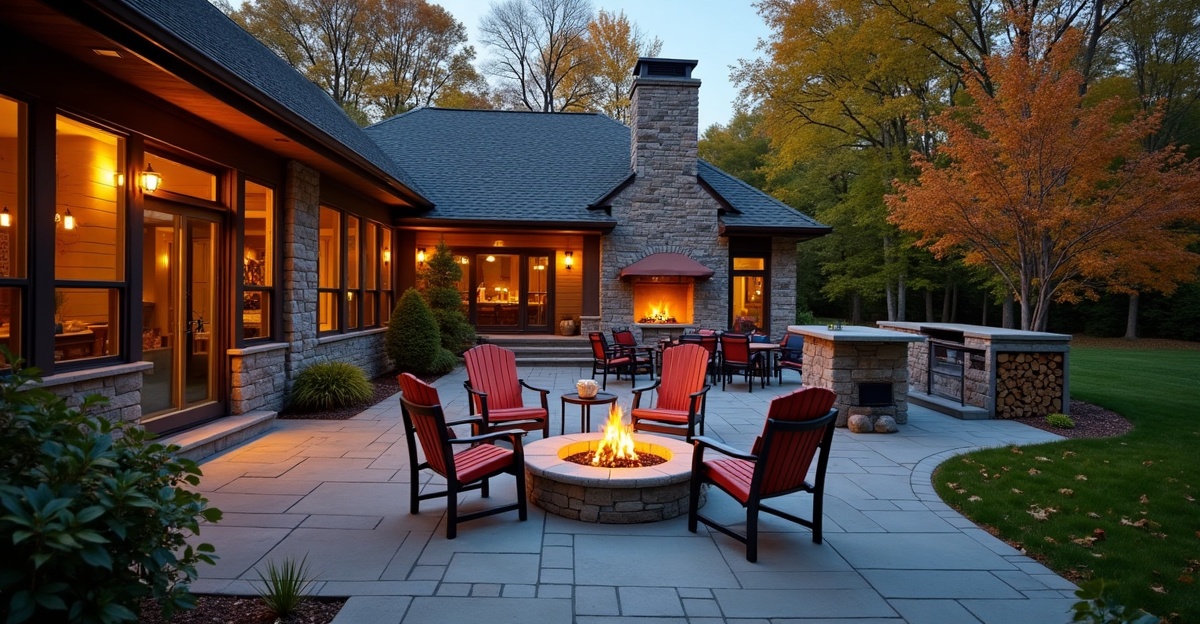
We choose between a fire pit and an outdoor fireplace based on how we use the backyard. Patio size, seating, wind exposure, fuel choice, and budget all matter. Fire pits support flexible, social seating around the flame. Outdoor fireplaces create a defined focal point. They direct heat forward and shield the fire from wind.
Key Takeaways
- A fire pit often suits smaller patios and casual gatherings. We can place seating around every side.
- An outdoor fireplace requires more space and construction. It can anchor a larger patio, outdoor kitchen, or formal seating area.
- Wood-burning features create a classic campfire feel. We need firewood storage, ash cleanup, smoke planning, and compliance with local rules.
- Gas fire features start quickly and simplify cleanup. We need proper gas-line planning and periodic service.
- Minnesota installations require stable bases, effective drainage, freeze-thaw-rated materials, and safe clearances. We also verify local permit and HOA requirements.
The Short Answer: Choose the Feature That Fits How We Use the Backyard
Neither option is automatically better. The right choice depends on how we plan to use the space, the patio size, fuel preference, budget, wind exposure, cleanup expectations, and the overall backyard plan.
Fire pits usually create an open, social gathering area where people can sit around the flame. Outdoor fireplaces create a stronger focal point, offer more protection from wind, and give a patio the feel of a defined outdoor room.
A permanent fire feature is rarely a standalone decision. It affects patio size, seating layout, walking paths, drainage, gas or firewood access, retaining walls, and how the full outdoor living area works together. We recommend planning the fire feature alongside the patio instead of adding it after the rest of the work is complete.
| Consideration | Fire Pit | Outdoor Fireplace |
|---|---|---|
| Best use and atmosphere | Open, casual, campfire-style gatherings | Defined outdoor room with a strong focal point |
| Seating capacity and social layout | Seating can wrap around all sides | Seating usually faces the fireplace from the front |
| Heat direction and wind protection | Heat spreads around the feature; wind can shift smoke | Heat projects forward; structure can shield seated guests |
| Wood-burning versus gas options | Available in wood or gas models | Available in wood or gas models |
| Installation complexity | Can range from straightforward to detailed masonry work | Usually requires more construction, foundation work, and space |
| Cost factors | Size, materials, fuel type, base work, and patio integration | Structure size, chimney, masonry, fuel line, patio expansion, and site access |
| Space requirements | Often fits smaller patios more easily | Needs a larger footprint and clear seating zone |
| Smoke considerations | Smoke can move with changing wind | Chimney directs smoke upward, though placement still matters |
| Maintenance and cleanup | Wood units need ash removal; gas needs periodic service | Wood units need ash and chimney attention; gas needs periodic service |
| Minnesota winter durability | Needs a stable base, drainage, and outdoor-rated materials | Needs proper masonry construction, drainage, and freeze-thaw planning |
| Safety and local rule considerations | Rules vary by fuel type, city, HOA, and property | Rules vary by fuel type, city, HOA, and property |
Fire Pit vs. Outdoor Fireplace at a Glance
A fire pit works well for an open patio where conversation matters as much as the flame. Flexible fire pit seating lets guests gather on all sides, shift chairs as the group changes, and enjoy a more traditional campfire feeling. Its lower profile also helps preserve views across the yard.
Fire pit heat direction is generally shared around the feature. That makes it useful for larger groups, but wood smoke can change direction with the wind. A good layout keeps doors, windows, neighbor properties, and main seating areas in mind before construction begins.
An outdoor fireplace brings height, structure, and visual balance to a patio. It works especially well beside an outdoor kitchen, a seating wall, or a larger entertaining space. The fireplace helps establish a clear outdoor room design, with the seating area facing the fire rather than circling it.
Outdoor fireplace seating layout is more defined, which can feel comfortable and intentional. The structure also provides outdoor fireplace wind protection for people seated in front of it. A chimney can help move smoke upward, but it does not solve every smoke issue. Wind patterns, fuel type, construction quality, and placement still control how pleasant the space feels.
Appearance matters, but daily use matters more. We need to consider walking space, safe seating distance, firewood storage, gas access, ash cleanup, and how people will move around the patio. Our landscape fire features are planned around those practical details from the start.
Which Option Fits Our Backyard?
A fire pit is often the better fit when we want flexible group seating, an open patio, and a lower-profile feature. It suits a casual space and keeps the gathering area adaptable for family nights, larger get-togethers, or quiet evenings outside.
For a fire pit for small backyard spaces, scale is important. A compact, properly placed pit can give a patio warmth and purpose without consuming too much usable area. A large fireplace on a small patio can make the space feel crowded and limit comfortable seating or circulation.
An outdoor fireplace is usually the stronger choice when we want a visual centerpiece and a structured extension of the home. An outdoor fireplace for large patio areas can anchor an outdoor kitchen, dining zone, or formal sitting area. It adds height and enclosure where an open fire pit may feel too small or visually lost.
Large gathering areas can still benefit from a fire pit because guests can naturally interact from every side. On the other hand, a patio meant to feel like a defined room may benefit from the architectural presence of a fireplace. Strong backyard fire feature ideas begin with how the full space will function, not with a catalog photo.
A durable feature can improve enjoyment, usability, visual appeal, and buyer interest when it belongs in a cohesive outdoor living space design. We focus on long-term use rather than adding a feature that looks impressive but does not fit the property. Our outdoor living design process helps us establish the right scale, traffic flow, and material selections before installation begins.
Wood-Burning or Gas: The Fuel Choice Matters as Much as the Feature
The gas fire pit vs. wood-burning fire pit decision changes the experience of the whole space. Wood-burning features provide the familiar scent, sound, flame movement, and hands-on campfire atmosphere many homeowners enjoy. They can produce significant heat, but they also require dry firewood storage, ash removal, smoke management, and attention to local burn restrictions.
Wood-burning fire features fit homeowners who genuinely enjoy tending a fire. Before choosing one, we should plan where the firewood will stay dry, how ashes will be handled, and where smoke may travel. Smoke near entry doors, open windows, neighbors, or seating areas can turn a favorite feature into one that sees little use.
Gas offers faster startup, consistent flames, no ash, and simpler cleanup. A gas outdoor fireplace or fire pit makes sense for frequent use, especially when we want to enjoy a fire after work without gathering wood or waiting for flames to build. Gas systems may require a new gas line, utility coordination, access for future service, and greater installation investment depending on the site.
Gas and wood systems are not interchangeable. Wood delivers a traditional campfire experience but requires more attention. Gas provides convenience and cleaner operation but depends on proper fuel-line planning. For a Minnesota outdoor fire feature, we recommend deciding on fuel early, particularly if a gas line must run beneath or through a new patio.
What Affects the Cost and Installation Scope?
Fire pit installation cost factors and outdoor fireplace cost factors vary widely from property to property. A single average price does not tell us much because the construction scope can range from a simple built-in gas pit to a substantial custom masonry fire feature with a chimney, seating walls, patio expansion, and utility work.
Feature size and complexity affect cost first. A prefabricated kit often has a different scope than custom masonry construction. Pavers, natural stone, wall block, cap materials, finishes, and fuel components also change the investment.
Site conditions matter just as much. An existing patio may need expansion or replacement. Excavation, base preparation, grading, and drainage can all be necessary before a fire feature is built. Gas-line installation, electrical needs, limited access, retaining walls, and HOA or permit requirements may add work as well.
A simple, low-profile fire pit can be the right answer even when a larger fireplace is possible. We encourage homeowners to consider how often the feature will realistically be used, how it fits the patio, and how durable construction supports long-term value. A well-built paver patio and fire pit project creates a cohesive space instead of a collection of disconnected upgrades.
Minnesota Planning, Durability, and Safety Considerations
Minnesota freeze-thaw cycles place real demands on patios and masonry features. A fire pit or fireplace needs a stable base, appropriate drainage, outdoor-rated materials, and installation methods that account for seasonal movement. Without proper preparation, even quality materials can shift, settle, or suffer premature damage.
Patio drainage and fire feature installation should always work together. We review grading, runoff paths, snow-storage areas, wind direction, existing landscaping, retaining walls, and access through the yard before finalizing a layout. We also plan adequate circulation and seating distance so the patio remains comfortable and safe while the fire feature is in use.
Fire pit safety requirements, outdoor fireplace permits, setback rules, open-burning restrictions, HOA rules, insurance requirements, and fuel-specific regulations vary by city and property. Before construction or use, homeowners in Shakopee and nearby Minnesota communities should verify current requirements with their municipality, HOA, insurer, gas utility or qualified installer, and local fire authority.
Is a Fire Pit or Outdoor Fireplace Better for a Small Backyard?
A fire pit is often easier to fit because it has a lower profile and supports flexible seating. The final answer depends on patio size, required clearances, wind exposure, and how the backyard will be used.
Do Outdoor Fireplaces Provide More Heat Than Fire Pits?
A fireplace generally directs heat forward, while a fire pit shares heat around the flame. Perceived warmth depends on fuel type, fire size, seating distance, wind, and the design of the surrounding space.
Is Gas or Wood Better for an Outdoor Fire Feature in Minnesota?
Gas is often best for quick, frequent use and reduced cleanup. Wood is a better fit for homeowners who value a traditional campfire and are prepared for firewood, smoke, ash, and local restrictions.
Does an Outdoor Fireplace Need a Larger Patio?
Usually, yes. The fireplace itself uses more space, and the patio needs room for forward-facing seating and safe circulation.
What Should We Consider Before Building a Fire Pit on a Paver Patio?
We should confirm that the patio has a stable base, effective drainage, enough seating space, proper fuel access, and materials suitable for the intended fire feature.
Do We Need a Permit for a Fire Pit or Outdoor Fireplace in Shakopee?
A Shakopee fire pit permit may be required depending on the feature, fuel type, location, and local rules. We should verify current requirements before work begins.
If we are planning a patio, fire feature, or complete outdoor living space in the Shakopee area, Outdoor Oasis can help evaluate layout, materials, drainage, and construction details before work begins. View our outdoor living gallery for project ideas, or contact Outdoor Oasis to discuss the property and goals.