

What Adds the Most Value to a Backyard in Minnesota?
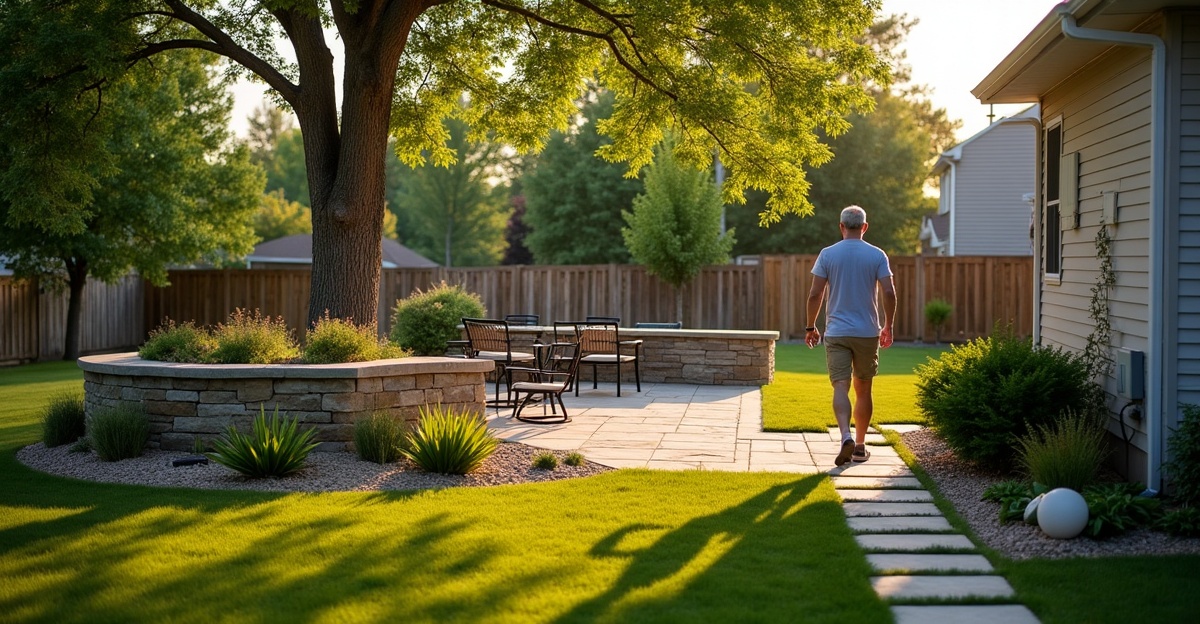
In Minnesota, the backyard upgrades that add the most value often fix drainage, grading, safety, and access concerns before they improve appearance or add specialty features. Durable patios, walkways, retaining walls, practical landscaping, and balanced lighting can boost daily use and buyer appeal. We recommend matching each upgrade to the property’s size, soil conditions, and long-term maintenance needs.
Key Takeaways
- Address standing water, poor grading, erosion, failing walls, and unsafe steps or walkways before adding decorative features.
- Add a properly built paver patio, walkways, and seating areas to create durable, usable outdoor space.
- Use hardscape installation methods that account for Minnesota’s freeze-thaw cycles, drainage, compaction, and stable base preparation.
- Choose manageable landscaping, privacy screening, and lighting that improve appearance, safety, and upkeep without crowding the yard.
- Consider outdoor kitchens, pergolas, fire features, and water features as lifestyle upgrades after resolving core site needs.
Your content is already structured in valid HTML with appropriate headings, paragraphs, lists, emphasis, and natural internal links. It also follows a clear homeowner-focused progression from drainage and safety to hardscaping, landscaping, and optional lifestyle features.
Which Backyard Upgrades Add the Most Value?
The best backyard upgrades usually combine appearance, function, durability, and easy maintenance.
A beautiful yard can lose value quickly if water pools near the house, walkways are uneven, or retaining walls are failing. For that reason, practical improvements often provide a stronger foundation than purely decorative features.
Homeowners should generally focus on:
- Drainage and grading
- Patios
- Walkways
- Retaining walls
- Landscape beds
- Outdoor lighting
- Privacy features
- Seating areas
- Outdoor structures
Once the basics are in good condition, larger lifestyle upgrades can make the yard more enjoyable.
Fix Drainage and Grading Problems First
Water management should be one of the first priorities when planning backyard improvements.
Poor drainage can create standing water, muddy areas, erosion, damaged plants, and unstable hardscape surfaces.
Minnesota weather makes drainage especially important. Snowmelt, spring rain, and freeze-thaw cycles can place extra stress on poorly graded areas.
Look for Signs of Poor Drainage
Common warning signs include:
- Water pooling after rain
- Muddy sections that stay wet
- Washed-out soil
- Erosion near slopes
- Water collecting beside patios
- Low areas near the foundation
- Sunken pavers
Correcting these issues before adding new features can reduce the risk of future damage.
A professional outdoor living plan can help determine where water should move and how new features should fit the site.
Add a Durable Patio
A patio is one of the most useful backyard upgrades because it creates a dedicated place for dining, relaxing, and entertaining.
A well-built patio can serve as the center of the outdoor living area.
Popular uses include:
- Outdoor dining
- Grilling
- Lounge seating
- Fire features
- Family gatherings
- Outdoor games
Choose Materials for Minnesota Conditions
Patio materials should be installed on a properly prepared base.
Freeze-thaw cycles can shift poorly installed surfaces. Stable base preparation, drainage, and compaction help reduce movement over time.
Pavers are a popular choice because individual units can create a flexible, finished surface.
Homeowners planning a patio or similar feature can explore professional hardscape construction options.
Improve Walkways and Access
Walkways connect different areas of the property and make the yard easier to use.
A clear path between the home, patio, garden, fire area, and other features improves both appearance and function.
Walkways may also reduce worn grass and muddy traffic areas.
Focus on Safe Movement
Uneven surfaces, damaged steps, and poor transitions can become safety concerns.
Good walkways should provide:
- Stable footing
- Proper drainage
- Comfortable width
- Clear direction
- Easy access between spaces
Lighting can make these paths safer after dark.
Build or Repair Retaining Walls
Retaining walls can provide both structural and visual value.
They are often used to manage slopes, support grade changes, control erosion, or create usable planting areas.
A failing wall can make a backyard look neglected and may indicate a larger drainage problem.
Signs a Retaining Wall Needs Attention
Look for:
- Leaning sections
- Cracks
- Bulging
- Loose blocks
- Soil washing through gaps
- Standing water nearby
A properly designed wall should address both soil pressure and drainage.
Repairing unstable areas before installing decorative features can protect nearby patios, beds, and walkways.
Create Defined Outdoor Living Areas
One large open yard may not always feel functional.
Dividing the space into clear areas can make it easier to use.
A thoughtful outdoor living design can connect patios, planting beds, walkways, seating areas, and other features into one layout.
Common Backyard Zones
A backyard may include:
- Dining area
- Lounge area
- Grill station
- Fire feature
- Garden
- Play area
- Open lawn
- Quiet seating space
The layout should match the size of the property.
Too many features can make a small backyard feel crowded.
Add Low-Maintenance Landscaping
Landscaping can improve curb appeal, privacy, shade, and visual balance.
However, landscaping should remain manageable.
Overgrown plants and crowded beds can create more work and may make the property less appealing.
Choose a Simple Planting Plan
A practical plan may include:
- Trees
- Shrubs
- Perennials
- Mulch beds
- Ground cover
- Lawn areas
Plants should fit the amount of sunlight, soil conditions, and available space.
Using plants that handle local conditions can reduce maintenance.
Improve Backyard Privacy
Privacy can make an outdoor area feel more comfortable.
It is especially valuable when nearby homes are close together.
Privacy can be created through:
- Trees
- Shrubs
- Fencing
- Decorative screens
- Pergolas
- Strategic planting
The goal should be to create separation without making the yard feel closed in.
A balanced design usually works better than placing tall barriers around every side of the property.
Add Landscape Lighting
Lighting can make a backyard more attractive and easier to use after sunset.
It can also improve visibility around walkways, stairs, patios, and entrances.
Where Should Backyard Lighting Be Placed?
Common locations include:
- Walkways
- Steps
- Patios
- Trees
- Retaining walls
- Outdoor kitchens
- Seating areas
- Entry points
Good lighting should guide movement without creating excessive brightness.
Professional landscape lighting can help create a more balanced result.
Consider a Fire Feature
Fire pits and outdoor fireplaces can create a natural gathering area.
They may extend the use of the backyard into cooler parts of the year.
A fire feature works best when there is enough surrounding space for seating and safe movement.
Before adding one, consider:
- Location
- Surface materials
- Seating distance
- Nearby structures
- Local requirements
- Smoke direction
A fire feature should complement the yard instead of dominating it.
Add a Pergola or Shade Structure
Shade structures can make patios more comfortable during sunny weather.
Pergolas can also help define an outdoor room.
They may be placed over:
- Dining areas
- Lounge spaces
- Outdoor kitchens
- Seating areas
Homeowners should consider how the structure fits the size and style of the home.
Oversized structures can make smaller yards feel crowded.
Consider an Outdoor Kitchen
Outdoor kitchens are larger lifestyle upgrades.
They can be valuable for homeowners who entertain frequently or spend significant time outdoors.
A basic setup may include:
- Grill
- Counter space
- Storage
- Refrigerator
- Seating
More complex kitchens may include sinks, burners, or additional appliances.
These features usually make the most sense after drainage, patios, walkways, and utilities are properly planned.
Should You Add a Water Feature?
Water features can create visual interest and relaxing sound.
Popular options include:
- Small fountains
- Pondless waterfalls
- Decorative ponds
- Bubbling stones
However, they usually require more maintenance than basic landscaping.
Homeowners should consider cleaning, winter preparation, water use, and long-term upkeep before installing one.
A simple design may provide more value than an oversized feature.
Avoid Overbuilding the Backyard
More features do not always mean more value.
One common mistake is filling the yard with too many elements.
A smaller yard with a good patio, simple landscaping, and proper lighting may feel more valuable than a crowded yard with several specialty features.
Keep the Design Balanced
Ask:
- Is there enough open space?
- Are walkways easy to follow?
- Does the patio fit the home?
- Are plants manageable?
- Is there enough room for maintenance?
- Do features serve a clear purpose?
Good backyard upgrades should make the property easier to enjoy.
Plan for Minnesota Weather
Outdoor improvements in Minnesota should be built with local weather conditions in mind.
Freeze-thaw cycles can affect pavers, walls, steps, and other hardscape elements.
Snowmelt can expose drainage problems that were less noticeable during summer.
Design for Long-Term Durability
Important considerations include:
- Proper grading
- Stable base preparation
- Drainage
- Compaction
- Durable materials
- Easy snow removal
- Seasonal maintenance
Planning these details correctly can reduce movement, settling, and drainage issues later.
Create a Backyard That Fits Your Lifestyle
The most valuable backyard is not always the one with the most expensive features.
A useful outdoor space should fit how the homeowner actually lives.
Families may value open lawn and play space.
Homeowners who entertain may prefer a large patio and outdoor kitchen.
Others may prefer gardens, quiet seating, or a simple fire area.
The team at Outdoor Oasis can help homeowners combine these features into a practical outdoor environment.
Which Backyard Upgrades Should You Prioritize?
Start with problems that affect safety, drainage, and structural stability.
A practical order may be:
- Drainage and grading
- Retaining wall repairs
- Safe steps and walkways
- Patio installation
- Landscaping
- Lighting
- Privacy features
- Fire features or pergolas
- Outdoor kitchens and specialty additions
This approach helps protect the investment made in later improvements.
Improve Your Minnesota Backyard With a Thoughtful Plan
The best backyard upgrades combine practical improvements with features that make outdoor spaces more comfortable and enjoyable.
Start by correcting drainage, erosion, unsafe walkways, failing walls, and other site concerns. Then consider patios, landscaping, lighting, privacy, fire features, and outdoor living areas.
A thoughtful plan can help every feature work together while accounting for Minnesota’s changing seasons.
If you are planning backyard upgrades and want help developing a functional outdoor space, contact Outdoor Oasis to discuss your property and outdoor living goals.
Frequently Asked Questions About Backyard Upgrades
What backyard upgrade adds the most value?
A usable patio is often one of the most practical improvements. However, drainage, grading, and structural issues should usually be corrected first.
Are paver patios good for Minnesota?
Paver patios can work well when the base, drainage, and installation are designed for local freeze-thaw conditions.
Does landscape lighting add value to a backyard?
Landscape lighting can improve appearance, safety, and nighttime usability. It works especially well around paths, steps, patios, and outdoor gathering areas.
Should I fix drainage before landscaping?
Yes. Poor drainage can damage plants, soil, patios, and other improvements. Correcting water movement first can protect later upgrades.
Are outdoor kitchens worth adding?
Outdoor kitchens can be useful for homeowners who cook and entertain outdoors frequently. They generally make more sense after core backyard needs are addressed.