

How Do You Create a Low Maintenance Outdoor Living Space?
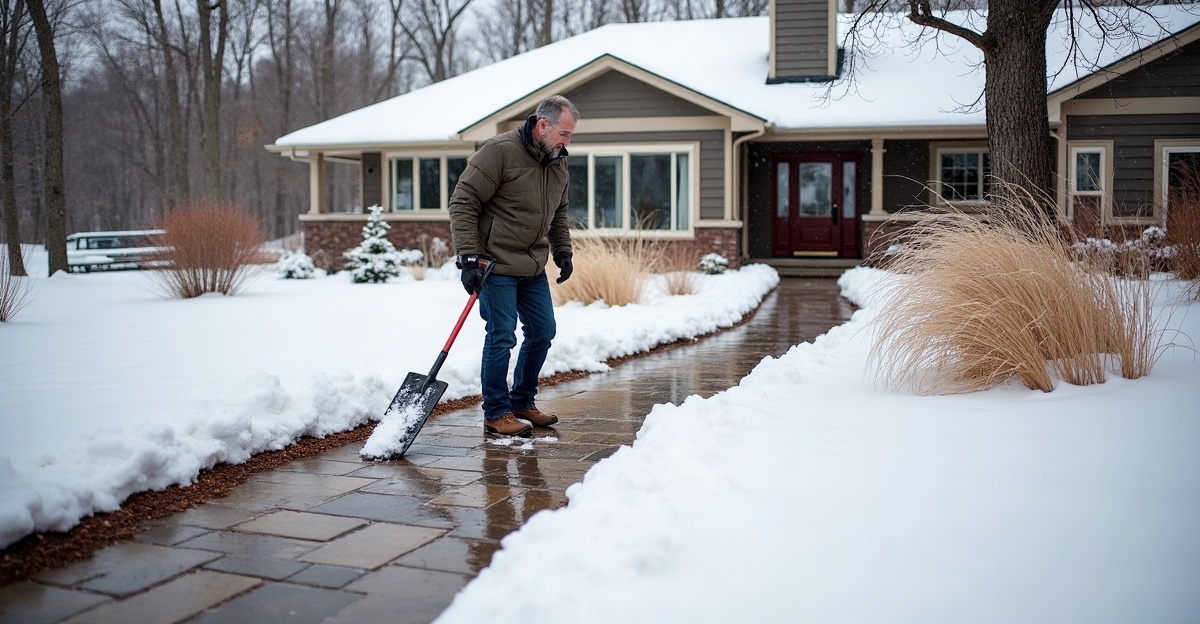
We create low-maintenance outdoor living spaces by planning drainage, grading, daily use, and Minnesota’s freeze-thaw and snowmelt conditions before we select materials or plants. Durable, accessible hardscapes, simple planting beds, properly sized plants, and clear snow-removal routes reduce routine upkeep and protect long-term performance.
Key Takeaways
- We direct water away from the home with proper grading, drainage routes, downspout controls, and snowmelt planning.
- We select patio, walkway, and retaining wall materials based on site conditions, repair options, drainage needs, and winter maintenance.
- We create clear access routes and avoid tight gaps, intricate bed shapes, isolated planting areas, and features that make mowing or snow removal harder.
- We use fewer, larger planting beds with durable edging and plants that match the site’s sun, soil, moisture, and mature size.
- We plan for seasonal care, including drainage checks, mulch renewal, paver repairs, pruning, and walkway preparation before winter.
Plan Around Water, Use, and Manageable Upkeep
Low-maintenance outdoor living means manageable, planned upkeep. It does not mean a yard, patio, or planting bed will never need attention.
The best easy-care backyard MN plans begin with three practical factors: how the property will be used, how water moves across it, and how much seasonal work makes sense over time. A thoughtful plan reduces avoidable chores and helps prevent standing water, erosion, heaving, premature repairs, and plantings that outgrow their space.
Minnesota weather makes this planning especially important. Freeze-thaw cycles, spring snowmelt, frost movement, heavy snow, and changing soil moisture all affect outdoor spaces in Shakopee and throughout the south metro. Some properties also have clay or variable soils that hold water differently from one area of the yard to another.
Before selecting materials or plants, we evaluate a few basic questions. Where does water go during heavy rain or spring snowmelt? Can every planted area be reached comfortably for weeding, pruning, and mulch? Does the patio layout support grilling, seating, pathways, and furniture without awkward or unused space? Is the installation plan built to accommodate drainage and frost movement?
Strong planning makes future maintenance predictable. It also helps us spend the budget where it delivers long-term value instead of adding features that create more work.
Make Drainage and Grading the First Construction Priority
Hardscape can reduce mowing, but more patios, walkways, and walls also create more surfaces that shed water. A larger patio may reduce turf care, yet it can increase runoff if grading and drainage are not planned correctly.
We begin by directing surface water away from the home. Proper slope, clear drainage routes, downspout management, swales, and carefully placed drainage systems can move water where it belongs. Permeable surfaces can also help on some properties, but they are not automatically the right answer. Drainage needs, appearance, budget, snow removal methods, and site conditions should guide that decision.
Good grading helps prevent pooling water, erosion, foundation concerns, icy walkways, and frost-related movement. Persistent wet areas may need a defined drainage system rather than another layer of mulch, gravel, or topsoil. Each solution should fit the property instead of following a generic formula.
Snowmelt needs the same attention as rainfall. We plan a route that does not send meltwater toward the home, across a primary walkway, or into a low area that already pools. Snow storage also belongs in the design conversation. A practical question is: where will snow be piled without blocking a path, damaging plants, or directing meltwater toward the home?
For projects with difficult water movement or a patio near the foundation, professional outdoor living design helps prevent expensive corrections later.
Choose Hardscapes and Retaining Walls for Durability, Repairability, and Access
Hardscape materials should fit the site and the way we plan to use the space. Concrete, standard pavers, and permeable pavers all have a place. No single patio material works best for every Minnesota property.
Pavers are a durable, repairable choice when we install them over proper base preparation with sound edge restraint, correct grading, and well-maintained joints. If settlement occurs over time, pavers can often be lifted, the base corrected, and the surface reset. That repairability is a meaningful advantage in a climate with frost movement.
Still, pavers are not maintenance-free. We should expect periodic cleaning, joint sand replenishment, and occasional leveling over the years. Concrete may suit a simpler layout or certain budgets, while permeable pavers may suit a site where controlled infiltration makes sense. Snow removal, drainage, appearance, and existing conditions should determine the material.
Retaining walls should solve a real need. They can create level areas for patios, improve access on slopes, hold soil in place, and help manage erosion. A wall built only as decoration can add cost and maintenance without improving how the yard works.
Proper base preparation and drainage behind the wall are essential. Poor drainage or weak base work can lead to leaning, shifting, and costly failure. We build hardscape construction around sound preparation because installation quality drives long-term performance through Minnesota winters.
Design the Layout to Eliminate Maintenance Traps and Support Winter Use
Layout decisions often determine whether a space feels easy to care for or frustrating every season. We start with the intended uses: dining, grilling, entertaining, fire features, pet areas, children’s play, storage, privacy, and connections to the driveway and yard.
High-use spaces should sit near convenient entrances where appropriate. Clear routes between the house, patio, grill, storage area, driveway, and yard reduce worn turf and make daily use simpler. A patio should have enough room for furniture and circulation without forcing people through a grilling zone or around chairs.
Minnesota winter access deserves equal attention. Durable walkways, clear edges, and well-placed landscape lighting improve visibility and reduce slip risks. We also account for shovels, snowblowers, plows, and de-icing products before finalizing walkway widths and material choices.
Common maintenance traps include tight gaps between structures and beds, overly complex curves, small isolated planting islands, large gravel areas without solid containment, inaccessible beds, and features that interfere with mowing or snow removal. These details may look appealing on a plan but can create repetitive work for years.
Low-maintenance landscaping ideas MN do not require removing every planting bed. The goal is to make each feature useful, accessible, and realistic to maintain. We ask whether the patio supports grilling, seating, pathways, and furniture well. We also confirm that every planted area can be reached without stepping through other beds or moving heavy furniture.
Keep Planting Beds Simple and Select Plants That Fit the Site
Fewer, larger planting beds are usually easier to manage than many narrow or intricate beds. Larger bed shapes simplify edging, mulching, weeding, and seasonal cleanup. Durable edging and a clear separation between turf, beds, and hardscape also keep the landscape looking orderly with less effort.
Plant selection matters as much as bed shape. We choose trees, shrubs, grasses, and perennials based on sun exposure, moisture levels, soil conditions, mature size, and the level of upkeep that makes sense for the property. A plant that looks right at installation can become a recurring pruning job if it outgrows its location within a few years.
Two questions prevent many avoidable problems: will selected plants outgrow the space in a few years, and does the plant choice match the site’s sun, soil, moisture, and mature growth needs? Right-sized plants reduce crowding, improve air circulation, and limit constant trimming.
Hardy plants still need care. New plantings require watering while they establish. Established beds need seasonal pruning or cleanup, plus monitoring for weeds, pests, and disease. Mulch helps suppress weeds, retain moisture, and define beds, but it needs periodic replenishment.
Artificial turf is also a tradeoff rather than a zero-maintenance answer. It may reduce mowing, but it still needs cleaning and infill management. Heat, drainage, and pet use should be considered before installation. An easy-care backyard MN should reduce unnecessary work without introducing materials that do not fit the property’s daily use.
Follow a Simple Minnesota Seasonal Upkeep Plan
Regular small checks prevent larger repair needs later. Patios, pavers, planting beds, walls, and drainage features all last longer when we address minor issues before they become major repairs.
Seasonal Outdoor Living Upkeep Tips
A practical maintenance schedule includes the following tasks:
- After spring thaw: Inspect drainage and hardscapes for settlement, pooling water, erosion, loose edges, and frost movement.
- During spring and summer: Refresh mulch as needed, prune plants when appropriate, water new plantings during establishment, and watch for weeds, pests, and disease.
- Periodically: Clean patios and inspect paver joints, edge restraints, and walkway surfaces for movement or wear.
- In fall: Manage leaves, complete needed pruning or cleanup, and keep swales, downspouts, and drainage routes clear.
- Before winter: Prepare pathways and snow-storage areas, check outdoor lighting, and identify safe routes for shovels, snowblowers, or plows.
This approach sets realistic expectations. Low-maintenance plants still need establishment watering and seasonal care. Mulch needs replenishment. Pavers may need joint sand and occasional resetting. Artificial turf needs cleaning and attention to infill, drainage, heat, and pet use. Consistent care keeps these tasks small and protects the investment in the space.
Common Questions and When Site-Specific Help Makes Sense
The lowest-maintenance patio material for Minnesota depends on the property. Pavers are durable and repairable when properly installed. Concrete or permeable pavers may be better fits for other sites based on drainage, appearance, budget, snow removal, and ground conditions.
The simplest way to make a backyard easier to maintain is to simplify bed shapes, select right-sized plants, improve drainage, create clear access routes, reduce hard-to-reach details, and choose materials that fit winter maintenance needs. These changes reduce work without sacrificing a useful outdoor space.
Pavers do not require a great deal of maintenance, but they are not maintenance-free. We should plan for periodic cleaning, joint sand replenishment, and occasional leveling over time.
To reduce yard work without creating drainage problems, we plan runoff routes, grading, downspout management, and drainage solutions before adding more hardscape. Permeable surfaces or drainage systems may help where appropriate, but the site should drive the decision.
Minnesota winter planning should account for freeze-thaw cycles, snow storage, spring snowmelt, safe walkway access, lighting, shovels, snowblowers, plows, and de-icing products where applicable.
Professional planning and installation make particular sense for drainage problems, slopes, retaining walls, patios near foundations, major grade changes, persistent erosion, or projects that combine several outdoor features. If a project involves drainage issues, slopes, a new patio, retaining walls, or a full outdoor living redesign, Outdoor Oasis can help evaluate the property and recommend a practical plan built for Minnesota conditions. We invite property owners to contact Outdoor Oasis for a straightforward consultation.