

What Questions Should You Ask Before Starting an Outdoor Project?
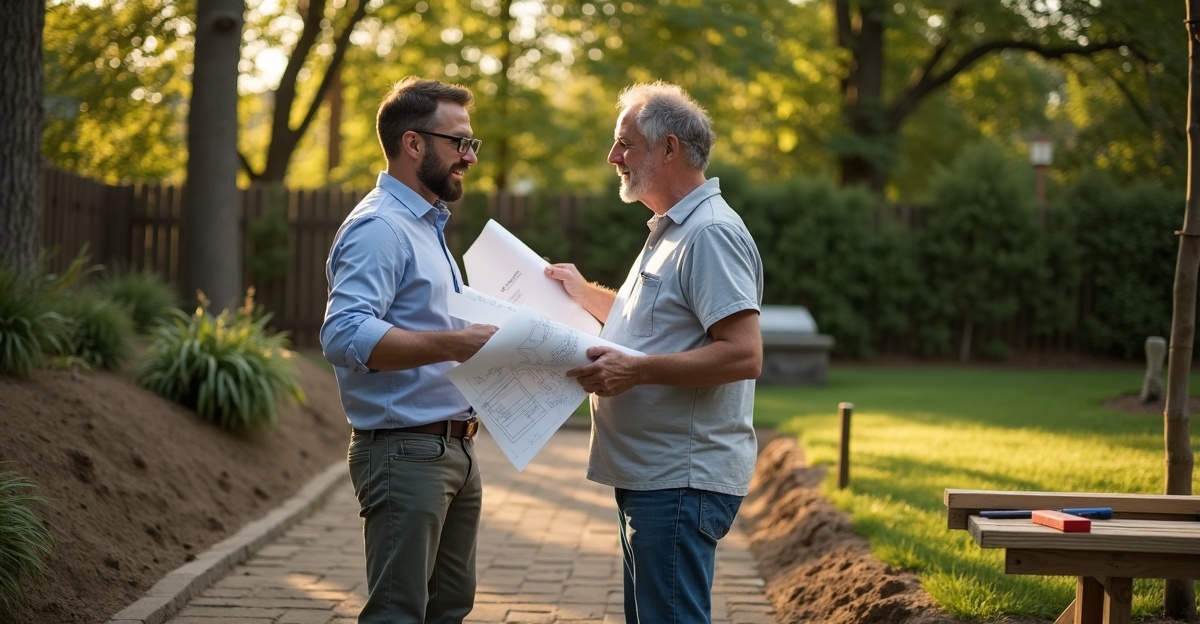
Starting with the right outdoor project questions helps us avoid cost surprises, drainage problems, and shortcuts that fail after a few Minnesota winters. Before we commit to a patio, retaining wall, or full yard renovation, we need clear answers about budget, site preparation, material performance, permits, scheduling, and long-term protection.
Key Takeaways
- Define the full scope, total investment range, and change order process upfront so we prevent hidden costs and miscommunication.
- Confirm the contractor evaluates soil conditions, grading, drainage, and base preparation so we protect against freeze-thaw damage.
- Choose designs and materials based on long-term performance in Minnesota weather instead of appearance alone.
- Clarify permit requirements, local codes, and who manages approvals so we avoid delays or compliance problems.
- Establish a clear timeline, communication process, and warranty details so we protect our investment after installation.
Start With the Budget, Scope, and Decision-Making Process
Clear communication about money and scope sets the tone for the entire project. Strong outdoor project questions at this stage prevent surprises later.
During a contractor consultation outdoor meeting, we encourage homeowners to ask:
- What is the realistic total investment range for a project like mine?
- What exactly is included in this estimate—and what could trigger additional costs?
- How do you handle change orders?
- Who will be my main point of contact from consultation to final walkthrough?
Budget overruns and hidden costs are some of the most common frustrations we hear about. A detailed proposal should clearly define excavation depth, base materials, drainage work, edging, cleanup, and finishing details. If those items are missing or vague, misunderstandings are almost guaranteed.
In Minnesota, base preparation matters even more. Freeze-thaw cycles demand proper excavation and compaction, especially for patios and pavers. Cutting corners on base depth might lower the upfront number, but it often leads to shifting and settling a few years later. Paying for proper preparation once protects the investment long term.
Red flags are predictable: vague allowances, verbal-only pricing, and reluctance to explain cost breakdowns. Solid contractors should welcome detailed backyard planning questions and answer them clearly.
We believe transparency builds trust. Our full project management process keeps scope, pricing, and communication clearly defined from day one.
Is the Site Properly Evaluated for Drainage, Soil, and Long-Term Stability?
Every successful outdoor project starts below the surface. Surface beauty means little if the soil and drainage are ignored.
Important outdoor project questions include:
- How will you evaluate grading and drainage patterns on my property?
- What type of soil are we building on, and how does that affect the base?
- How will water move away from the patio, retaining wall, or foundation?
Clay soils are common in Scott, Carver, Dakota, and Hennepin Counties. Clay holds water. During a Minnesota winter, trapped moisture expands when frozen and contracts when thawed. That repeated movement stresses patios and walls if drainage is poor.
We’ve seen patios shift because base layers were too shallow or improperly compacted. We’ve repaired retaining walls that failed due to hydrostatic pressure building up behind them. We’ve corrected standing water problems caused by improper grading.
Early investment in drainage saves significant repair costs later. A qualified contractor should explain excavation depth, base materials, compaction methods, and the drainage strategy in plain language. If those answers feel rushed or unclear, that’s a warning sign.
For hardscape features in particular, proper site prep is the difference between a structure that lasts and one that fails in a few seasons. Our hardscape construction services focus heavily on what’s beneath the surface, because that’s what supports everything above it.
Are the Design and Materials Built for Minnesota Weather?
Appearance matters, but performance matters more. Minnesota winters demand careful material selection.
Strong backyard planning questions include:
- What materials do you recommend for this use and climate—and why?
- How will this design perform after 5–10 Minnesota winters?
- Are there lower-maintenance options that still provide long-term value?
- How will this layout work for daily use, traffic flow, and snow removal?
- Does this design allow for future additions like fire features, seating walls, or lighting?
Natural stone, concrete pavers, and segmental retaining wall blocks each have strengths. Natural stone offers a timeless look, but proper base prep is critical to minimize movement. Concrete pavers are manufactured for consistency and can flex slightly under freeze-thaw cycles when installed correctly. Segmental retaining wall systems are engineered for drainage and stability when paired with proper backfill and drainage pipe.
We emphasize durability, craftsmanship, and reliability over trends. Materials should fit the function of the space. A grill zone handles heat and grease differently than a quiet seating area. A high-traffic path needs different support than a decorative border.
Red flags appear when materials are recommended based solely on appearance. A surface that looks great in a catalog might struggle after years of snow, ice, and deicing products. Long-term performance must always be part of the discussion.
Thoughtful layout also saves headaches later. Snow storage areas, shovel paths, and plow access should be part of the design conversation from the beginning.
What Permits, Codes, and Local Regulations Apply?
Permits and local regulations vary across Shakopee and neighboring Scott County communities. That’s why this set of outdoor project questions is essential:
- Does this project require permits?
- Are there setback requirements, HOA approvals, or drainage compliance issues?
- Who is responsible for submitting and managing permits?
Retaining wall height can trigger engineering or permitting requirements. Certain structures near property lines must meet setback rules. Drainage changes may require city approval to protect neighboring properties.
Failure to address permits can lead to delays, fines, or forced removal of completed work. That’s avoidable with proper planning.
Minnesota’s seasonal timing also affects inspections. Early spring thaw or late fall freezes can delay site visits or limit certain types of work. Winter conditions may prevent concrete pours or final grading inspections.
A dependable contractor should clearly define who handles permits and how that process fits into the project schedule. We take responsibility for understanding local requirements so homeowners aren’t left sorting through paperwork on their own.
Can the Timeline, Crew, and Communication Process Be Clearly Defined?
Realistic scheduling builds confidence. Clear communication keeps projects on track.
During contractor consultation outdoor discussions, ask:
- When can the project realistically start and finish?
- How do seasonal factors affect scheduling?
- How often will updates be provided?
In Minnesota, early spring often means saturated soil from snowmelt. Late fall can bring sudden freezes. Both can impact base prep and concrete work. Weather delays are normal. Silence is not.
We commit to transparent scheduling windows and consistent communication. Homeowners should know who their main contact is and how questions will be handled. That process should remain consistent from the first meeting through the final walkthrough.
Clarity here protects both sides. Expectations are set early. Adjustments are communicated quickly. That’s one of the most valuable outdoor consultation tips we can share: define communication standards before work begins.
Our team at Outdoor Oasis design services walks property owners through layout, scheduling, and phasing so the plan makes sense before equipment ever arrives on site.
What Protects My Investment After Installation?
A finished patio or retaining wall isn’t the end of the conversation. Long-term performance matters.
Key outdoor project questions include:
- What workmanship warranty do you provide?
- What maintenance is required to protect the installation?
- How do you address issues if something settles or shifts?
Proper installation reduces premature failure, unexpected change orders, and costly repairs. Retaining walls and patios must be built with correct drainage and compaction to prevent early movement.
Maintenance expectations should be clearly explained. Paver patios may require occasional joint sand replenishment. Drainage systems should remain clear and functional. Snow and ice management should avoid excessive salt or mechanical damage.
We stand behind our work and remain available if adjustments are needed. Open communication after installation builds long-term trust.
Bringing this checklist of outdoor project questions to a contractor consultation outdoor meeting helps keep discussions focused and productive. Homeowners in Shakopee and surrounding communities can schedule a consultation or reach out with questions. The goal is simple: build a project that fits the space, respects the budget, and performs well through Minnesota winters for years to come.