

What Is Hardscaping And Why Is It Important For Outdoor Design?
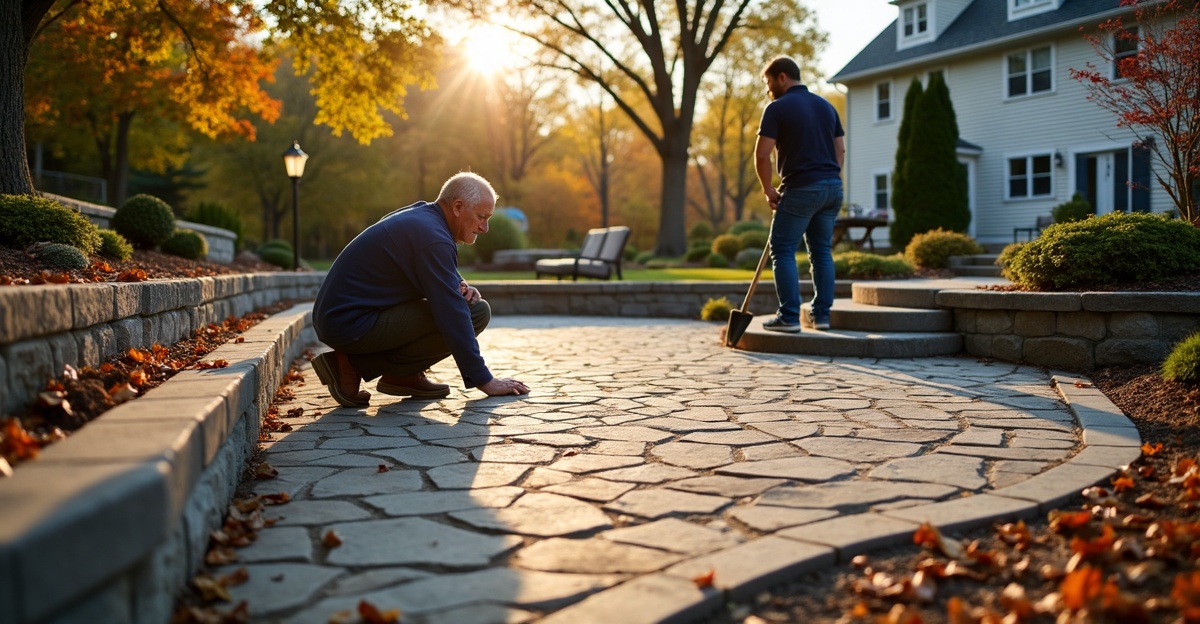
Understanding hardscaping helps us see how patios, retaining walls, walkways, and drainage systems form the structural backbone of a well-designed yard. In Minnesota’s demanding climate, properly built hardscape features do more than improve curb appeal. They control water, stabilize soil, improve safety, and create outdoor living areas that last.
Key Takeaways
- Hardscaping includes the permanent, non-living elements of a yard such as patios, retaining walls, driveways, steps, and drainage systems.
- Strong base preparation and proper grading prevent shifting, cracking, and water damage in freeze-thaw climates.
- Hardscaping and landscaping play different roles, and we prioritize structure and drainage first so plantings thrive.
- Well-built hardscape features improve usability, increase safety, and raise long-term property value by limiting erosion and maintenance problems.
- Successful projects require careful site evaluation, proper excavation and compaction, and a clear focus on structural integrity before we add visual upgrades.
What Hardscaping Really Means for Your Property
Hardscaping refers to the permanent, non-living elements of an outdoor space. These include patios, paver walkways, retaining walls, steps, driveways, fire pits, outdoor kitchens, grading work, and drainage systems.
When we explain what hardscaping is to homeowners, we describe it as the structural foundation of outdoor design. It’s the framework that defines how space is organized, how water moves, and how people safely gather and move through the yard.
The hardscape construction meaning is straightforward. It involves building structural outdoor features using materials such as concrete pavers, natural stone, brick, and block. These materials are installed over properly prepared bases to create stable, long-lasting surfaces and walls. Done right, they establish clear living areas and solve grading and drainage challenges at the same time.
In Minnesota, hardscaping plays a much larger role than decoration. Our climate brings freeze-thaw cycles, snow load, spring rains, and shifting soils. A patio or retaining wall must handle erosion, runoff, soil movement, and seasonal temperature swings. Without solid hardscaping, even the best-looking yard can struggle with pooling water, cracked surfaces, or settling.
We approach hardscape projects as structural work first and visual upgrades second. If the structure holds up, the beauty follows.
Hardscaping vs. Landscaping: Understanding the Difference
Hardscaping and landscaping work together, but they serve different purposes.
Hardscaping includes non-living structural elements like patios, retaining walls, walkways, driveways, and defined outdoor living areas. Landscaping includes living components such as grass, trees, shrubs, gardens, and soil.
Here’s a simple example. A patio creates a usable outdoor space where furniture can sit flat and people can gather comfortably. The surrounding plants soften the edges and add color and texture. The patio is the hardscape. The plantings are the landscape.
Strong outdoor design integrates both. However, hardscaping carries the weight of structural performance. It manages drainage, supports elevation changes, and resists long-term wear. Landscaping enhances and complements it.
Understanding the hardscape construction meaning helps avoid common mistakes. Landscaping alone can’t correct a failing slope or eliminate standing water against a foundation. Without proper base preparation, grading, and wall construction, even well-planted areas may wash out or settle over time.
We always start with structure. Once the property drains correctly and elevations are stable, landscaping can thrive.
Why Hardscaping Is Essential in Minnesota’s Climate
Our work across Shakopee and Scott, Carver, Dakota, and Hennepin Counties consistently highlights one thing: Minnesota’s climate demands proper hardscaping.
Freeze-thaw cycles cause real stress on outdoor surfaces. Water seeps into small gaps, freezes, expands, and can crack or shift improperly installed patios. Frost heave can lift sections of paving if the base isn’t deep enough or properly compacted.
Soil movement also presents challenges. Many properties in our area have clay-heavy soils. Clay expands when wet and contracts when dry. Without the right gravel base and drainage strategy, pavers and walls can shift as the soil moves.
Base preparation makes all the difference. We excavate to the appropriate depth, install and compact layers of aggregate, and set edge restraints that lock everything in place. That preparation prevents movement and extends the lifespan of the surface above.
Drainage is another critical factor. Grading must direct water away from the home and outdoor living areas. Integrated solutions like channel drains or corrected slopes prevent erosion and reduce pressure on foundations.
Snow and ice add further stress. Surfaces must support snow removal equipment and tolerate de-icing products. Choosing quality pavers and correct joint materials helps resist surface damage and joint loss over time.
Trends change fast. Structural principles do not. In our climate, durability, material performance, and correct installation matter far more than the latest design style.
How Hardscaping Improves Usability, Safety, and Property Value
Hardscaping turns underused yards into functional spaces. It defines areas for dining, gathering, and relaxing. It also creates safe transitions between the house, driveway, and backyard.
Stable surfaces reduce mud, ruts, and uneven ground. Properly built steps and walkways minimize trip hazards, especially during wet or icy conditions. Retaining walls hold back soil and prevent gradual washouts that can undermine both yards and foundations.
Maintenance becomes more manageable as well. Replacing steep or eroding turf with structured patio space reduces mowing and limits areas prone to runoff issues.
From an investment standpoint, we focus on practical return rather than hype. Durable patios, retaining walls, and walkways support curb appeal and daily usability. They also reduce long-term repair costs associated with drainage failures or soil erosion.
Thoughtful backyard hardscape ideas often serve multiple purposes. A retaining wall may create seating and solve a slope issue. A patio may double as a safe landing zone from a back entry and a gathering space for family events. When designed with structure in mind, each feature earns its place.
For homeowners researching hardscaping services Minnesota, the key is finding a contractor who prioritizes preparation and performance over shortcuts. Long-term value always comes from what’s underneath the surface.
Those exploring broader outdoor living solutions often discover that strong hardscaping becomes the base layer for everything else that follows.
Examples of Smart, Durable Backyard Hardscape Ideas
Every property presents different challenges. The best backyard hardscape ideas solve specific issues while improving how the space is used.
Some reliable options include:
- Patios built with concrete pavers or natural stone installed on a properly compacted gravel base.
- Paver walkways that connect driveways, entries, and backyard spaces for year-round access.
- Retaining walls that manage elevation changes and prevent soil erosion.
- Fire pits and outdoor kitchens designed with Minnesota’s freeze-thaw cycles in mind.
- Driveways and entry features engineered for vehicle loads and snow removal equipment.
- Integrated drainage elements such as channel drains, corrected grading, or permeable pavers where appropriate.
We often guide homeowners through outdoor living design before settling on final layouts. Planning ensures each feature supports how the space will actually be used.
Specialty areas like outdoor kitchens and dining areas or properly built landscape fire features require particular attention to base stability and proper clearances. Those elements are only as strong as the hardscape structure beneath them.
Careful planning always beats chasing trends. A feature that looks good but doesn’t solve a property issue rarely holds up over time.
Planning a Hardscape Project: What Homeowners Should Know
A successful project starts with a detailed site evaluation. We review slope, soil conditions, drainage patterns, access points, and existing structures before discussing design. That groundwork shapes the scope and prevents surprises later.
Some projects require permits depending on wall height, proximity to property lines, or drainage alterations. Local codes in Minnesota communities vary, so we address those requirements early in the process.
Construction typically follows a clear sequence:
- Excavation
- Base installation and compaction
- Structural building
- Surface installation
- Joint finishing
- Cleanup
We close with a final walkthrough to review the project together and answer questions.
Budget clarity matters. Quality hardscape construction includes excavation, aggregate base materials, edge restraints, and skilled installation. The visible surface is just one part of the investment.
Common concerns come up during planning:
Costs vary based on size, material, and site conditions. Larger retaining walls or complex drainage systems require more labor and base preparation. While initial costs can be higher than simple landscaping changes, properly installed features deliver long-term value and fewer repairs.
Maintenance is manageable. Most paver patios benefit from periodic joint sand refresh and occasional inspection after winter. Some surfaces may be sealed, depending on material and preference.
A well-installed patio in Minnesota can last decades. The key is a solid, compacted base at the correct depth and proper edge restraint. Without that, surface issues appear much sooner.
We serve Shakopee and surrounding counties with a hands-on approach from consultation through final walkthrough. Clear communication and steady craftsmanship guide every job. Homeowners who want to discuss their project in more detail can reach us through our contact page.