

Outdoor Living Materials: Smart Choices for Beautiful Patios
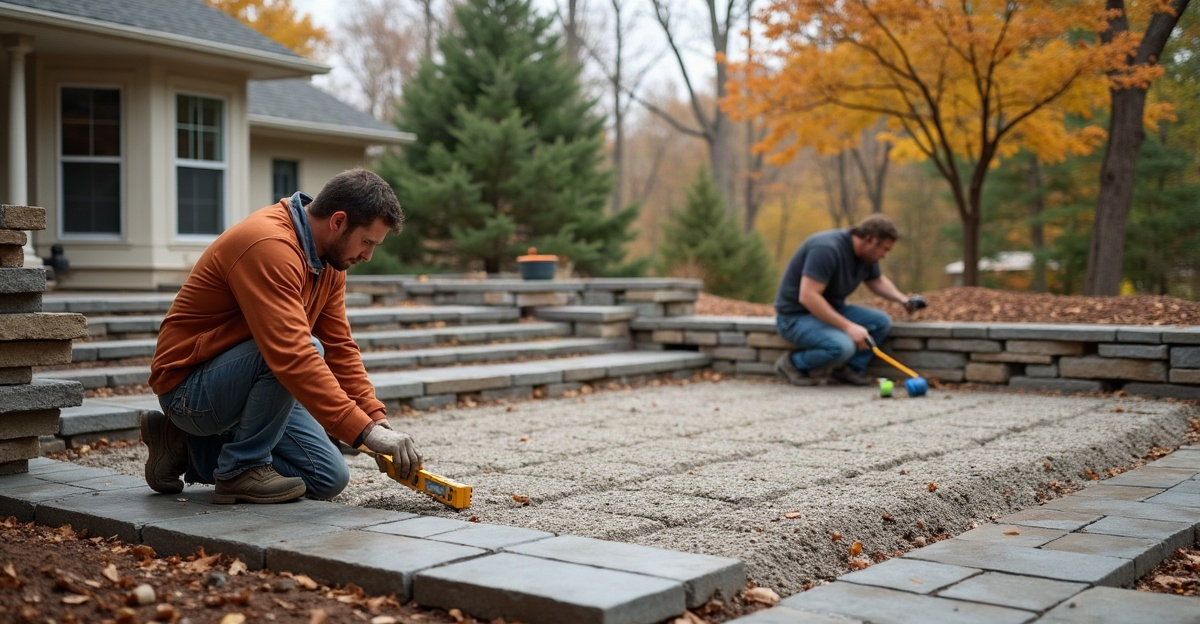
We select outdoor living materials for Minnesota patios based on more than surface price. Freeze-thaw cycles, drainage, soil conditions, and planned use affect long-term results. Concrete pavers, natural stone, porcelain, poured concrete, wood, and composite decking all offer clear benefits. Proper base preparation and skilled installation help each material perform well.
Key Takeaways
- We recommend selecting materials based on site conditions, traffic, maintenance needs, design goals, and total installation cost. Material price alone doesn’t show the full investment.
- Concrete pavers offer flexible designs and simple localized repairs. They require a stable base, effective drainage, joint upkeep, and secure edge restraints.
- Natural stone and porcelain pavers create polished finishes. Product selection, texture, slip resistance, thickness, and installation methods matter in cold Minnesota conditions.
- Poured concrete, wood, and composite decking serve different purposes. They can create continuous patio surfaces, support raised transitions, or provide lower-maintenance deck areas.
- We prioritize proper excavation, compacted base material, grading, drainage, and safe transitions. These details matter as much as the visible surface for durable outdoor spaces.
Choose Materials Based on the Site, Not Just the Surface Price
The right outdoor living material isn’t simply the option with the lowest upfront price or the best photo. It must fit the site, intended use, Minnesota climate, maintenance expectations, and installation plan.
Minnesota winters place real demands on patios, walkways, walls, and deck surfaces. Freeze-thaw cycles, spring snowmelt, frost movement, drainage, ice, deicing products, and snow shovels or plows all affect long-term performance. Frost heave is soil movement caused by freezing and thawing moisture beneath the surface. On Shakopee-area properties, clay soils, low spots, runoff paths, and changing grades often make site preparation as important as the finished surface.
We start every patio material comparison with practical questions. How will the area be used: dining, entertaining, pool access, a fire feature, an entry walkway, equipment access, or commercial foot traffic? Does the site hold water, slope, or show signs of previous frost heave? How much maintenance makes sense? Will future utility access or individual repairs matter?
Design still matters. Color, texture, pattern, and the amount of customization should complement the home and landscape. We also look beyond material price. A realistic budget includes excavation, base work, drainage corrections, access, labor, and finishing details. Product quality, thickness, finish, strength, slip resistance, intended application, manufacturer requirements, and installation method can vary widely within every material category.
That site-first approach helps us recommend outdoor living design choices that look right and make sense for years of use.
Compare Pavers, Natural Stone, and Porcelain for Patios and Walkways
Concrete pavers, natural stone, and porcelain pavers each offer durable materials for outdoor living when we specify and install them correctly. The best choice depends on appearance, traffic, maintenance, drainage, and the structure below the surface.
| Material | Best For | Key Strengths | Maintenance Level | Repairability | Winter/Freeze-Thaw Considerations | Design/Investment Level |
|---|---|---|---|---|---|---|
| Concrete pavers | Patios, entries, walkways, seating areas | Patterns, colors, traction options, modular sections | Moderate | High | Needs a stable base, drainage, and sound edge restraint | Broad range of styles and budgets |
| Natural stone | Custom patios, garden paths, landscape-focused spaces | Natural variation and refined appearance | Moderate | Moderate | Stone type, thickness, texture, and installation method matter | Custom, material-dependent investment |
| Porcelain pavers | Modern patios and outdoor kitchens | Low porosity, stain resistance, consistent finish | Low to moderate | Moderate | Requires outdoor-rated products and correct installation system | Refined, contemporary investment |
Concrete Pavers
Concrete pavers offer strong design flexibility through varied colors, patterns, sizes, and textures. They work well for patios, walkways, seating areas, entries, and places where future repairs or utility access may matter. Their modular format makes them among the more repairable patio materials because we can remove and reset a localized section when needed.
Pavers need ongoing attention at the joints. Joint sand may need replenishment depending on the system and site conditions. They also need proper edge restraint, which is the system that holds perimeter pavers in place and helps prevent spreading. Pavers can perform well in a freeze-thaw climate, but they may move if base preparation, drainage, or edge restraint is inadequate. We also confirm that deicing products, shovels, and snowblower use suit the selected paver and joint system. Permeable pavers can be a useful option where stormwater management is part of the project, provided the site and base design support that approach.
Natural Stone and Porcelain Pavers
A natural stone patio brings variation that manufactured products cannot duplicate. Stone can create a refined, landscape-integrated result, especially for custom patios and garden paths. Still, one stone is not the same as another. Thickness, durability, surface texture, installation requirements, cleaning needs, sealing needs, and cost can differ greatly by stone type.
Irregular stone surfaces deserve an honest review before selection. They can affect furniture stability, accessibility, snow removal, and winter footing. We select textures and joint layouts with the actual use of the space in mind.
Porcelain pavers offer a contemporary appearance, low porosity, stain resistance, and consistent finishes. They can work in cold climates when we use outdoor-rated products with suitable slip resistance, proper substrate details, sound edge support, and the correct installation system. Products and systems are not interchangeable. For outdoor kitchens, porcelain can be especially practical where cleanup and a consistent surface matter. Our outdoor kitchen construction planning accounts for the surface, appliances, drainage, and traffic together.
Luxury materials for outdoor living should mean tangible quality: natural appearance, refined finishes, thoughtful detailing, cohesive landscaping, reliable performance, and professional installation. The goal is a space that fits the property, not a status label.
Consider Poured Concrete, Wood, and Composite Decking for the Right Use
A poured concrete patio provides a clean, continuous appearance and can offer cost advantages for simple layouts, utility areas, and straightforward walkways. It needs adequate base work, grading, drainage, and a finish that provides traction. Control joints are planned grooves that help manage where concrete cracking occurs. They do not make concrete crack-proof, and no one should guarantee that concrete will never shift during Minnesota winters.
Concrete repairs can be difficult to blend into the original surface. Deicing products may also affect certain finishes, so material and care recommendations matter. A poured concrete patio makes sense when a continuous surface is the priority and the site supports it.
Wood decking brings natural warmth and works well where a raised surface is needed for grade changes, door elevations, slopes, or views. Wood needs regular inspection, cleaning, staining or sealing, and attention to moisture exposure. Splinters, rot, and finish wear are realistic concerns. Wood decking is a good fit for owners prepared to keep up with that work.
Composite decking can reduce staining and sealing work compared with wood, but it is not maintenance-free. Routine cleaning, inspections, and prompt cleanup still protect the surface. Product quality differs, and we account for framing requirements, manufacturer installation rules, heat retention in sunny locations, scratch and stain potential, and traction when wet or icy. For elevated decks and transitions from the home to a patio, composite decking can be one of the more practical low-maintenance outdoor living materials.
For patio furniture, strollers, mobility needs, and steady foot traffic, a smooth and stable surface matters. We compare joint spacing, texture, elevation changes, and transitions before choosing deck materials for Minnesota properties.
Build Retaining Walls for Drainage, Grade Changes, and Long-Term Stability
Retaining-wall materials include concrete block systems, natural stone, and other engineered wall solutions. A concrete block retaining wall can offer a consistent appearance and established installation systems. A natural stone retaining wall can blend beautifully with plantings and informal landscapes. The right material depends on wall height, load conditions, drainage needs, adjacent driveways or structures, and the desired finish.
Appearance alone does not determine wall performance. Footing and base preparation, drainage stone, backfill, wall height, soil conditions, and geogrid all matter. Geogrid is a reinforcing material placed within compacted backfill to help stabilize certain retaining-wall systems. Retaining-wall drainage is essential because water buildup behind a wall adds pressure, especially on sloped sites, areas with runoff, and clay soil.
Elevation, structural, drainage, and retaining-wall concerns may require manufacturer specifications, qualified design input, permits, or engineering based on the project. We plan walls as part of the entire outdoor layout, including patios, steps, seating walls, planting areas, and landscape fire features. That coordination produces cleaner transitions and avoids costly changes later.
Why Base Preparation, Drainage, and Installation Matter as Much as the Material
No surface material can compensate for poor site preparation. Patio base preparation is the excavation and placement of properly compacted aggregate that supports the finished surface and helps manage movement and drainage. The correct excavation depth, compacted aggregate base, grading, bedding layers, jointing materials, edge restraint, and wall drainage all work together.
Spring runoff, low spots, slopes, clay soil, and poor drainage need attention before installation begins. A beautiful patio placed over an unstable or wet base will not provide the long-term value it should. This is why our hardscape construction process focuses on the work below grade as carefully as the visible finish.
Safety and day-to-day use guide the details. We consider slip resistance near pools and entryways, heat retention in sunny areas, snow-shovel and snowblower compatibility, and surfaces around grills and fire features. We also plan edges and transitions to reduce trip hazards and improve movement between the house, patio, lawn, and walkways.
Every material needs some care. Seasonal cleaning, stain cleanup, drainage inspections, occasional repair or resetting work, and joint-sand replenishment where applicable are normal. Sealing makes sense only for materials and finishes that benefit from it. A higher-quality material or a properly built base may cost more initially, yet it can reduce disruption, repairs, and premature replacement over time. Excavation needs, drainage corrections, access, site complexity, material availability, and design details all affect project cost.
Common Questions About Outdoor Living Materials in Minnesota
What Is the Best Patio Material for Minnesota Winters?
No single option is universally best. Properly specified and installed pavers, natural stone, porcelain pavers, concrete, and decking systems can all perform well when matched to the site, drainage plan, intended use, and maintenance expectations. Minnesota freeze-thaw cycles make installation quality especially important.
Are Pavers Better Than Concrete?
For those asking whether pavers are better than concrete, the answer depends on the project. Pavers offer design flexibility and modular repairability. Poured concrete offers a continuous appearance and can suit simpler applications. Both rely heavily on sound drainage, base preparation, and skilled installation.
What Is the Lowest-Maintenance Outdoor Living Material?
No lowest-maintenance outdoor living material is completely maintenance-free. Porcelain and composite products may reduce certain tasks. Pavers, stone, concrete, and wood each need varying levels of cleaning, inspection, repairs, sealing, or joint maintenance.
Do Porcelain Pavers Work in Cold Climates?
Yes, outdoor-rated porcelain pavers can work well when product specifications, slip rating, installation system, substrate, edge details, and drainage fit the site.
What Are the Best Retaining-Wall Materials?
The best retaining-wall materials vary by project. Concrete block systems, natural stone, and engineered wall solutions can each be appropriate based on height, load, soil, drainage, design, and structural requirements.
What Does a Patio Need in a Freeze-Thaw Climate?
For a patio in a freeze-thaw climate, excavation, a compacted aggregate base, grading, drainage, suitable surface materials, edge restraint where applicable, and skilled installation matter most. Before committing to a patio, retaining wall, or larger project, we recommend discussing drainage, grade, intended use, material preferences, and long-term goals with a Shakopee outdoor living contractor at Outdoor Oasis.