

Paver Patio Maintenance Tips to Keep Your Patio Looking New
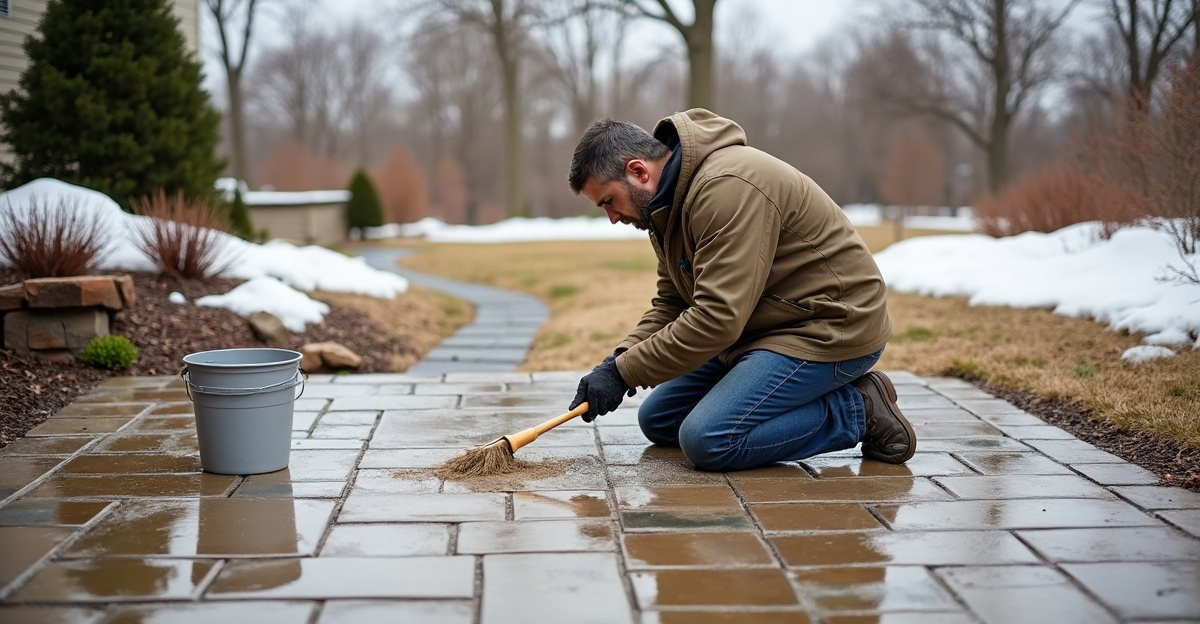
We keep paver patios clean, joints stable, and drainage flowing through Shakopee’s snowmelt, heavy rain, and freeze-thaw cycles. Regular sweeping, quick spill cleanup, joint-sand checks, and seasonal inspections stop minor wear from turning into costly repairs.
Key Takeaways
- We sweep away debris, rinse off surface dirt, and clean food or grease spills quickly to reduce staining and buildup.
- We inspect joints, edges, low spots, and drainage each spring and after heavy storms or snowmelt.
- We remove weeds and replace suitable joint sand to limit paver movement and recurring growth.
- We use pressure washing and sealing only when conditions support them. We follow manufacturer guidance and prepare the surface correctly.
- We recommend a professional assessment for recurring settlement, rocking pavers, standing water, washouts, or spreading edges.
A Simple Paver Patio Maintenance Routine
A clean, stable patio starts with a few regular habits. This quick paver patio maintenance checklist covers the work that prevents small issues from turning into larger repairs:
- Sweep leaves, dirt, and debris as needed, especially during fall.
- Rinse away pollen and surface dirt periodically.
- Clean food, grease, and other spills promptly.
- Inspect joints, edges, and low spots each spring and after heavy rain.
- Remove weeds and replace joint material where sand has eroded.
- Review drainage after snowmelt and significant storms.
Paver patios are durable and repairable, but they are not maintenance-free. Proper maintenance for paver patio surfaces includes periodic cleaning, joint-sand upkeep, weed control, and watching for movement or drainage changes.
The exact needs of a patio depend on its material, age, installation quality, shade exposure, drainage, and daily use. Shakopee properties also face Minnesota winters, spring snowmelt, freeze-thaw cycles, and heavy rainfall. Those conditions can move water through the base and joints in ways that need attention over time.
Routine patio paver maintenance gives us a chance to catch missing joint sand, loose edge restraints, and drainage concerns early. A patio that drains well and has full joints will generally stay cleaner and feel firmer underfoot.
How to Clean Patio Pavers Without Causing Damage
Start simple. Sweep the patio first, then rinse it with a garden hose to remove loose soil, pollen, and debris. This approach handles many cleaning needs without using stronger products or pressure washing.
Before choosing a cleaner, identify the stain. Food and grease stains need a different approach than rust, organic leaf stains, or efflorescence, which is the light mineral residue that can appear on some masonry surfaces. We should always follow the paver manufacturer’s instructions and the cleaning product label. Test any product in a hidden spot before applying it across the patio.
Avoid relying on harsh acidic products or bleach-heavy cleaners. They can discolor certain pavers, harm nearby plants, and create runoff concerns. A product that works on one patio surface may not be appropriate for another.
Pressure washing is not automatically necessary for every patio. In fact, a controlled rinse and targeted stain treatment often make more sense for routine maintenance of paver patio surfaces.
If we decide to pressure wash patio pavers, we should follow manufacturer guidance, use a controlled setting, and keep the nozzle at a safe distance. Avoid narrow spray patterns and overly high pressure. Improper use can remove joint sand, scar some paver finishes, and make the surface less stable. After cleaning, inspect the joints and replenish sand where needed.
How to Manage Weeds, Moss, and Lost Joint Sand
Joint sand does important work. It helps lock the pavers together, supports load transfer across the surface, reduces movement, and limits open space where weeds can take hold.
Missing or washed-out joint sand should be addressed before pavers begin shifting. Weeds between patio pavers often appear where joint material has thinned or disappeared. Still, lost sand is not the only cause. Moisture, shade, and windblown seeds also contribute, so weed killer alone will not fix the source of the problem.
A practical repair process starts by removing existing weeds and cleaning loose debris from the joints. Once the area is dry and clear, restore suitable joint sand where necessary. The right joint sand for pavers depends on the paver system, joint width, drainage conditions, and manufacturer guidance.
Persistent moss or algae can point to excess shade, retained moisture, or poor drainage. Cleaning the growth helps the patio look better, but we should also consider why the area stays damp. Improving drainage or reducing leaf buildup may reduce recurring growth.
Polymeric sand can be useful in some applications, but it is not a universal answer. Product selection and installation method must match the paver system and site conditions. Poor preparation or incorrect application can create problems instead of solving them.
Should We Pressure Wash or Seal a Paver Patio?
Pressure washing and sealing are optional tools, not annual chores every patio needs. The right choice depends on the pavers’ condition, the type of staining, the patio’s exposure, and the owner’s goals.
Sealing may improve color enhancement, stain resistance, and cleaning convenience for some patios. It can be a sensible option for areas that see frequent food spills, heavy use, or fading from sun exposure. Still, we do not need to seal a paver patio simply because it has reached a certain age.
Preparation matters most. Before sealing or resealing, the surface must be properly cleaned, dry, and compatible with the selected product. Existing sealers, trapped moisture, surface residue, and the wrong product can all lead to uneven results.
Excessive pressure washing can strip out sand and damage paver surfaces. Sealing over a damp, poorly prepared, or incompatible patio can cause hazing, peeling, or a blotchy appearance. If there is any uncertainty about an existing patio, professional guidance is the practical route before applying a sealer.
For patios with broader wear, drainage concerns, or movement, hardscape construction services can address the underlying structure rather than covering up the symptoms.
Seasonal Paver Patio Maintenance Tips for Shakopee-Area Properties
Minnesota paver patio maintenance changes with the seasons. Conditions in Shakopee can shift quickly from snow cover to spring runoff, then summer storms and winter freeze-thaw cycles.
Spring and Summer Care
Spring is the best time to inspect for settlement, loose pavers, missing joint sand, standing water, snowmelt damage, and edge movement. Review where water flows after spring snowmelt and heavy rain. Water should move away from the patio and home rather than ponding on the surface or washing through joints.
During summer, sweep and rinse as needed, remove weeds, and treat spills before they set. Check for drainage changes after major storms. If the patio is clean, stable, and appropriate for sealing, summer can also be a reasonable time to consider that optional step based on manufacturer guidance.
Fall and Winter Care
Fall maintenance prevents organic debris from sitting on the patio through winter. Remove leaves and needles, then check drainage before cold weather arrives. Low spots and loose edges should be addressed before freeze-thaw conditions make movement worse.
For winter paver care, use plastic shovels or rubber-edged tools where possible. Avoid aggressively scraping paver edges with metal shovels or sharp tools, which can chip edges and scratch surfaces. We should also confirm that any safe ice melt for paver patios aligns with paver manufacturer guidance and surrounding landscaping needs. Some de-icing products can damage concrete pavers, nearby plants, or adjacent materials.
Snow removal, prolonged moisture, spring runoff, and freeze-thaw cycles affect patios differently than they do in milder climates. A well-built patio can handle these conditions, but every site has its own drainage and soil behavior. For dependable winter service around the property, snow removal services can help keep access areas clear without unnecessary surface damage.
When DIY Maintenance Is Enough—and When to Call a Professional
Routine cleaning and minor upkeep are reasonable do-it-yourself tasks. Sweeping, light surface dirt, isolated weeds, small spills, and minor joint-sand loss usually fall into that category.
Some conditions deserve a professional assessment. Recurring or expanding low spots, rocking pavers, spreading patio edges, persistent standing water, washouts, widespread joint separation, and repeated settlement after repair can signal more than cosmetic wear. Drainage flowing toward the home or signs of base failure also need prompt attention.
These issues may relate to drainage, base preparation, edge restraint, or soil movement. Replacing a few pavers without correcting the cause often leads to the same repair again later.
How often should we clean a paver patio? Sweep as needed, rinse periodically, and inspect at least each spring and after heavy rain.
What causes pavers to sink or shift? Drainage problems, base preparation issues, failed edge restraints, washouts, and soil movement can all contribute.
How do we stop weeds from growing between patio pavers? Remove the growth, clean the joints, restore suitable sand, and address moisture or drainage concerns where they exist.
If a Shakopee-area patio has recurring settlement, drainage concerns, loose edges, shifting pavers, or damage after winter, Outdoor Oasis can provide a practical evaluation and discuss durable repair options. We stay focused on what the patio actually needs, from the first site review through the final walkthrough. Contact Outdoor Oasis to schedule a conversation.