

How Long Does It Take to Build a Patio?
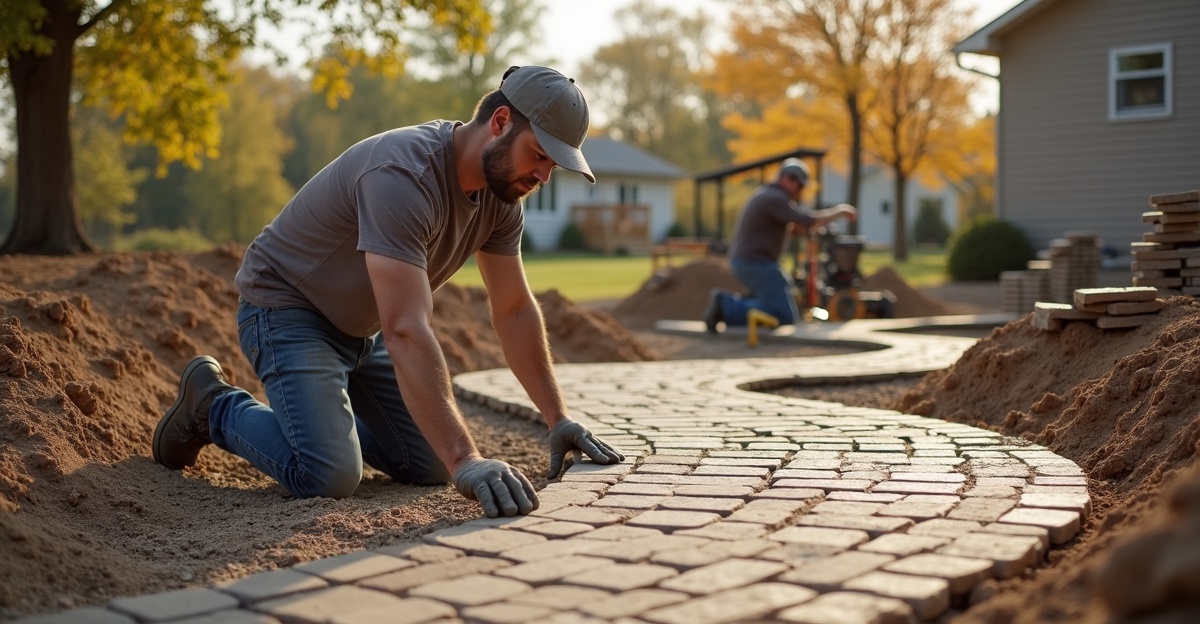
If we’re asking how long it takes to build a patio in Shakopee, MN, most projects run 2–6 weeks from the first consultation to the final walkthrough. On-site installation usually lasts 3–10 working days, depending on size and features. We set the timeline based on design choices, permitting, material availability, yard access, and weather conditions. Minnesota’s freeze-thaw cycles and clay soils also require deeper base preparation, which adds time but protects the patio for years.
Key Takeaways
- Most Minnesota patio projects take 2–6 weeks from consultation to completion. Standard on-site installation for a 300–400 square foot patio typically takes 3–5 working days.
- Larger patios (500+ square feet) or designs that include steps, retaining walls, or elevation changes often require 5–10+ working days.
- Permits, material lead times, HOA approvals, and contractor scheduling frequently add 1–3 weeks before we break ground.
- We spend extra time on proper excavation and compacted aggregate base installation in Minnesota. This step prevents settling, shifting, and long-term structural issues.
- Early planning, especially during winter, helps us secure preferred scheduling and keep patio projects moving during peak season.
What to Expect: A Realistic Patio Construction Timeline in Shakopee, MN
Building a patio in Minnesota typically takes 2–6 weeks from the initial consultation to the final walkthrough during peak season in Scott, Carver, Dakota, and Hennepin Counties. That full window includes design, scheduling, material ordering, and installation—not just the days we’re on site.
Once construction begins, the on-site patio installation time is shorter. A standard 300–400 square foot paver patio with good yard access usually takes 3–5 working days to install. Larger or more involved patios—500+ square feet with steps, seat walls, or elevation changes—often take 5–10+ working days.
When homeowners ask how long does it take to build a patio, the honest answer depends on more than square footage. Design revisions, local permitting, custom material lead times, and contractor availability all affect the start date and pacing.
Local soil and weather matter, too. In the Shakopee area, we account for freeze-thaw cycles and clay-heavy soils. That means we excavate deeper and spend more time on base preparation than crews in warmer states. It might add time on the front end, but it protects the patio for the long haul.
Breaking Down the Steps to Build a Patio (Where the Time Actually Goes)
Every project follows the same core steps to build a patio. Some move quickly. Others take a bit more coordination depending on the property and design.
Consultation and design typically take 1–2 weeks. That window depends on how quickly we finalize layout, material selections, and whether there are HOA approvals in place. Thoughtful outdoor living design upfront prevents delays once construction begins.
Permitting, if required, varies by municipality. In the City of Shakopee or nearby communities, permits can add 1–3 weeks. We confirm requirements early so there are no surprises.
Material ordering and scheduling also affect timing. Standard pavers are usually available without delay. Specialty colors, textures, or custom elements can extend lead times.
Once we break ground, site preparation moves fast but stays precise. Excavation for an average patio often takes 1–2 days. We remove sod and excavate to the correct depth for Minnesota frost conditions. That depth is critical.
Base installation comes next. We typically install 4–8+ inches of compacted aggregate base. In areas with softer soil, we may go deeper. This step takes time because we compact in lifts, checking grade and density throughout.
Paver or slab installation generally takes 1–3 days depending on size and pattern complexity. Straight patterns install faster than intricate layouts with curves or inlays.
Edge restraints, joint sand, final compaction, and cleanup usually take another day. After that, we complete a final walkthrough to confirm slope, drainage, and finish details.
That entire sequence defines the actual patio installation time. The visible part—the paver placement—is only one piece of the overall process.
For homeowners who want an integrated approach, our hardscape construction services cover each phase from excavation through final compaction, with one crew accountable from start to finish.
What Impacts Patio Installation Time in Minnesota
Several clear factors influence a patio construction timeline. We lay them out plainly so expectations stay realistic.
Start with size and complexity. A simple rectangle installs faster than a patio with sweeping curves, multiple elevations, or decorative inlays. Each added feature requires layout time and precise cuts.
Material selection also plays a role. Pavers typically require more hands-on labor than poured concrete. However, they allow easier long-term repairs if settling or damage ever occurs. That tradeoff often makes sense in Minnesota’s climate.
Drainage and grading can significantly affect excavation time. Parts of Scott County have heavy clay soil that holds water. If we encounter poor drainage, we may need additional grading, drain tile, or deeper base work.
Yard access matters more than most expect. Wide access for equipment keeps the project efficient. Narrow gates, fencing, or tight side yards mean more manual labor and more time.
Added features extend the schedule in a predictable way. Retaining walls, seat walls, fire pits, lighting, or steps often add several working days. Building vertically takes planning and precision.
Weather also shapes the schedule:
- Spring thaw can saturate soil and delay excavation.
- Summer storms may pause work for a day or two.
- Fall demand tightens contractor schedules as homeowners rush to finish projects before winter.
We avoid vague answers. Instead of saying “it depends” and leaving it there, we explain which of these factors apply to a specific property. That clarity helps everyone plan better.
Why Proper Base Preparation Takes Time—And Why It Should
In Minnesota, base preparation is everything. Freeze-thaw cycles exert real pressure on patios. Water enters small gaps, freezes, expands, and then contracts. Without proper depth and compaction, surfaces shift.
We excavate to the appropriate depth and install compacted aggregate in multiple layers. Each lift gets compacted before the next goes down. We check slope so water sheds away from foundations and living spaces.
Rushing this stage causes most long-term patio problems. Settling, low spots, pooling water, and shifting edges usually trace back to shallow excavation or poor compaction.
Spending an extra half day correcting grade or adding base material may feel slow in the moment. In reality, that time prevents costly repair work later. We’d rather invest the effort upfront than revisit a patio that should have been done right the first time.
Our approach to outdoor living projects always favors durability over speed. A well-built patio should serve a family for years without constant adjustment or patchwork fixes.
Seasonal Scheduling: When to Start Planning Your Patio Project
The main building season around Shakopee runs from late spring through early fall. Schedules begin filling quickly in May, June, and July.
Patio project planning often influences overall timing more than the physical construction days. Waiting until early summer to start design discussions may push installation into late summer or fall, depending on contractor availability.
Winter planning offers advantages. Designing during the colder months often secures earlier spring start dates. By the time snow melts and soil conditions stabilize, materials are ordered and the schedule is already in place.
Spring projects must account for saturated soil. Early excavation sometimes needs to wait until conditions firm up. Late-season projects compete with fall demand as many homeowners aim to finish before freeze-up.
We encourage homeowners in our local service area to begin conversations sooner than they think necessary. Early coordination keeps options open and provides more flexibility in scheduling.
How Homeowners Can Keep Their Patio Project on Track
Clear communication and preparation make a significant difference in how smoothly a project runs.
A few practical steps help keep momentum:
- Finalize design decisions and material selections promptly.
- Check HOA requirements early, if they apply.
- Provide clear yard access before construction begins by moving furniture and marking irrigation lines.
- Communicate known schedule constraints, such as upcoming gatherings or events.
Prompt decisions prevent ordering delays. Early HOA review avoids last-minute revisions. Clear access allows crews to work efficiently from day one.
We recommend working with a hands-on contractor who evaluates soil conditions, grading, and access issues in person. A detailed onsite assessment allows for a more accurate timeline than generic estimates.
When homeowners are ready to move forward, we discuss the property, layout goals, and scheduling in straightforward terms. From consultation to final walkthrough, our focus stays on quality work and honest timelines. Those ready to plan can reach out through our contact page to start the conversation with a clear understanding of what to expect.