

What Are Water Features and How Do They Improve Landscaping?
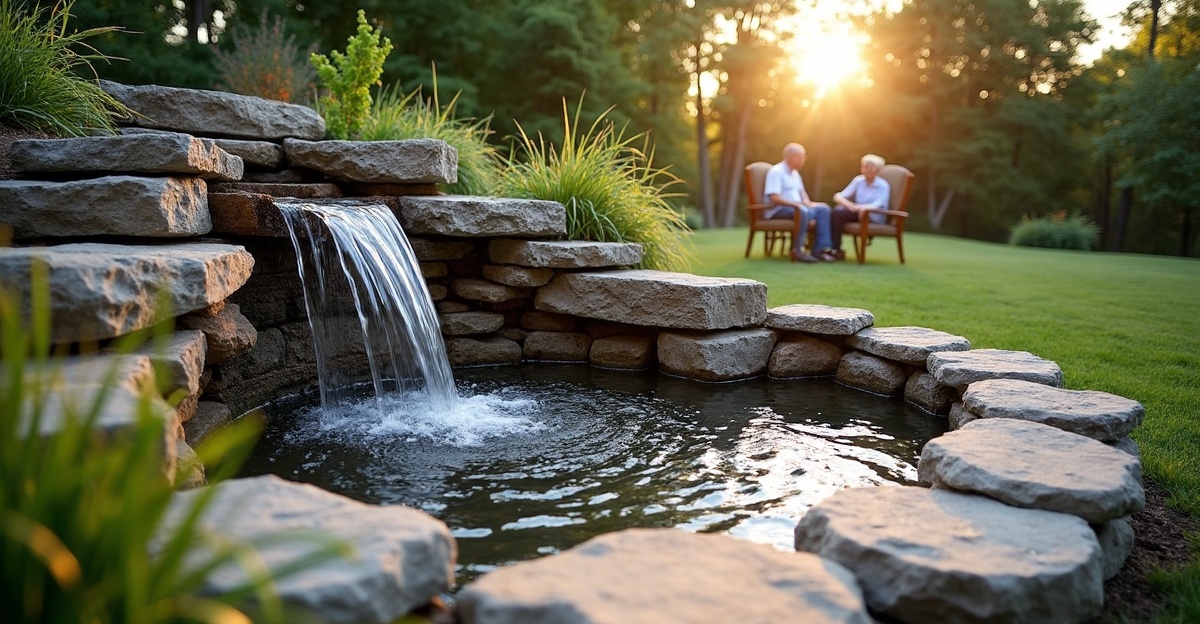
Water features play a practical role in landscape design. We build them as engineered, recirculating water systems that support drainage, structure outdoor areas, and hold up in Minnesota’s climate. These systems include ponds, waterfalls, fountains, and pondless features that connect with grading plans and hardscape layouts. We use them to control sound, manage runoff, define gathering areas, and add long-term property value.
Key Takeaways
- Water features are controlled, recirculating systems built with basins, pumps, plumbing, liners, and stone to function as integrated parts of the landscape.
- Common residential options include ponds, waterfalls, fountains, bubbling rocks, and pondless systems, each offering different space, sound, and maintenance requirements.
- Beyond appearance, water features help buffer noise, guide drainage, soften hardscape edges, and create defined zones within the yard.
- Minnesota’s freeze-thaw cycles, soil conditions, and winterization needs must be addressed during design and installation to prevent long-term issues.
- Maintenance expectations vary by type, with pondless systems typically requiring less upkeep than open ponds, making proper planning essential for lasting performance.
We approach water features as working infrastructure. We install basins that collect and recirculate water. We size pumps to maintain steady flow rates. We protect liners with underlayment and place stone to stabilize edges. Each component serves a clear function.
Different systems suit different goals. Ponds support aquatic plants and fish. Waterfalls add movement and consistent background sound. Fountains and bubbling rocks fit compact spaces. Pondless systems hide the reservoir underground and reduce upkeep. We match the feature to the yard’s grading, scale, and maintenance expectations.
Practical benefits drive many installations. Moving water masks traffic and neighborhood noise. Properly directed flow manages runoff and reduces pooling. Stone transitions soften patio edges and foundation lines. Defined water elements create outdoor “rooms” without adding walls or fences.
Minnesota’s climate demands careful planning. We account for freeze-thaw cycles that shift soil and expand ice. We set basins below frost depth when required. We use flexible plumbing to handle ground movement. We also plan clear winterization steps to protect pumps and pipes.
Upkeep varies by feature type. Open ponds require seasonal cleaning, plant management, and occasional algae control. Pondless systems limit debris buildup and reduce surface maintenance. We explain service intervals upfront so expectations stay clear.
Strong design and disciplined installation prevent costly repairs. We treat water features as long-term landscape investments. We build them to perform well, look natural, and support the surrounding yard for years.
What Water Features Are and How They Work in Residential Landscape Water Design
Water features are man-made elements that incorporate moving or still water into a landscape. We build them using liners, basins, pumps, plumbing, and natural stone or hardscape materials that blend into the yard.
When homeowners ask what water features are, the simple answer is this: they’re controlled water systems built directly into the landscape. They’re planned installations, not decorative accessories dropped in at the end of a project.
Most residential systems include:
- A basin or pond that holds water
- A pump that keeps water moving
- Plumbing lines that direct flow
- Filtration when needed
- A recirculation system that continuously reuses the same water
In Minnesota, nearly all properly built features operate on recirculation. That means they don’t rely on a constant fresh water supply. The pump pulls water from a hidden basin or pond and sends it back up to a waterfall, fountain head, or bubbling rock.
A well-built system begins long before stone is placed. Proper landscape water design accounts for slope, soil conditions, drainage patterns, and how water already moves across the property. Grading must direct runoff away from structures. Soil type affects excavation depth and stabilization. If that groundwork is overlooked, problems show up later.
We approach water features as integrated parts of the overall outdoor plan. They tie into patios, retaining walls, and drainage systems so everything functions as one connected environment. Minnesota homeowners deserve clear information about performance, maintenance, climate impact, and long-term value before making that investment.
Common Types of Backyard Water Features in MN
Across Shakopee and the surrounding communities, several backyard water features MN homeowners request stand out. Each option offers a different footprint, sound level, and maintenance commitment.
Main Options We Build
Here’s how the most popular water feature ideas Minnesota homeowners consider compare in practical terms:
- Ponds (decorative or koi ponds)
Larger footprint. Strong visual depth. Can support fish and plant life. Higher maintenance due to debris removal, filtration care, and algae control. - Waterfalls and stream beds
Moderate space requirement. Excellent sound output for masking nearby roads or neighbors. Maintenance depends on size and filtration setup. - Fountains
Compact footprint. Visual focal point. Lighter maintenance. Controlled water pattern works well in smaller yards. - Bubbling rocks
Small surface area. Subtle sound. Minimal splash. Great near patios or seating areas where space is limited. - Pondless water features
Water disappears into a subsurface basin filled with stone. A recirculating pump sends it back to the top. Lower maintenance compared to open ponds and reduced safety concerns.
Ponds create living environments and strong visual presence. They require commitment. Pondless waterfalls provide movement and sound without open water, which appeals to families concerned about safety or upkeep. Fountains and bubbling rocks fit naturally into tighter Shakopee-area yards or near existing patios.
We focus on what works for the property instead of steering homeowners toward the biggest option.
How Water Features Improve Landscaping Beyond Appearance
Water does more than look good. Moving water changes how a space feels and functions.
Sound from a waterfall or fountain helps buffer road noise and neighboring activity. Even moderate flow can soften background distractions and create a calmer atmosphere.
Water features can also play a role in erosion management. When designed correctly, they guide water through controlled channels instead of allowing runoff to carve through lawn areas. Integrated properly into grading plans, they support smarter drainage.
They also define backyard zones. A pond or waterfall can anchor a patio seating area. A bubbling rock might serve as a transition between lawn and fire pit space. Structured placement gives the yard purpose.
Moving water naturally draws the eye. That makes it effective for redirecting attention away from less appealing views. Instead of focusing on a fence line or adjacent structure, the eye settles on a focal point.
Hardscape-heavy landscapes benefit as well. Stone patios and retaining walls add structure, but too much hard surface can feel rigid. Water softens those edges and balances the overall design. When coordinated with hardscape construction, a feature feels intentional, not added later.
Property value perception often improves when upgrades feel cohesive. Buyers respond to craftsmanship and durability. The key is thoughtful placement and solid construction, not adding water for visual impact alone.
Minnesota Climate Considerations: Freeze-Thaw, Winterization, and Soil Conditions
Minnesota weather shapes every outdoor installation. Freeze-thaw cycles can shift stone, expand plumbing lines, and stress liners if systems aren’t installed properly.
Depth, base preparation, and pipe layout all matter. In Scott, Carver, Dakota, and Hennepin Counties, soil conditions vary from sandy to heavy clay. Clay holds moisture longer and can increase frost movement. Sandy soils drain faster but require stabilization during excavation.
Slope management also affects long-term performance. Water must move away from foundations. Basins need proper backfill and compaction to prevent settling.
Winterization is part of responsible ownership. Most systems require seasonal shutdown. Pumps are removed or protected. Water levels are adjusted. Lines are cleared as needed. In spring, we inspect components before restart to protect motors and liners.
Properly installed systems are built to handle Minnesota winters. Problems typically trace back to shortcuts during installation or skipped seasonal maintenance. Climate planning is equal in importance to design decisions.
Maintenance Expectations and Long-Term Responsibilities
Every water feature involves responsibility. Being honest about that prevents frustration later.
Ongoing tasks may include checking pumps, clearing debris, managing algae, and monitoring water levels during hot stretches. Pumps eventually wear out and require replacement. Electricity usage for the pump is modest but continuous while operating.
Ponds demand more attention. Organic buildup must be managed. Filters need periodic cleaning. Fish care, if included, adds another layer.
Pondless systems reduce those needs. Because water isn’t exposed in a large open surface, debris and algae issues tend to be smaller. Maintenance still exists, but it’s generally lighter.
Material quality affects longevity. Heavy-duty liners, properly sized pumps, stable base materials, and correct plumbing installation pay off over time. Cutting corners increases long-term cost.
We communicate clearly about upkeep before any project moves forward. The right choice matches the homeowner’s comfort level and schedule.
How to Decide If a Water Feature Makes Sense for Your Backyard
Start with space and slope. A small, flat yard may suit a bubbling rock better than a large pond. A sloped lot can support a natural-looking cascade if grading allows.
Consider proximity to patios, outdoor kitchens, and retaining walls. Placement affects both sound and usability. Water should enhance conversation areas, not overpower them.
Sound level is another factor. Strong waterfalls create energy. Gentle bubbling supports quiet evenings. Matching the feature to how the space will be used matters.
Maintenance willingness shapes the decision. A homeowner who enjoys hands-on care may appreciate a pond environment. Someone with limited time may prefer pondless construction.
Long-term property goals also guide planning. Those investing in coordinated outdoor upgrades often benefit from viewing water as part of broader outdoor living design rather than a standalone install. That mindset improves layout, durability, and value.
The best water feature ideas Minnesota homeowners choose fit their site conditions. Copying a design from another property rarely translates well.
At Outdoor Oasis, we handle projects from consultation through final walkthrough with clear communication and practical recommendations. Homeowners in Shakopee and nearby communities who want guidance can explore our landscape water features services or reach out for direct feedback through our contact page. We’ll evaluate the yard, explain realistic options, and offer recommendations that make sense for the property and the investment.