

What Should Be Included In An Outdoor Living Master Plan?
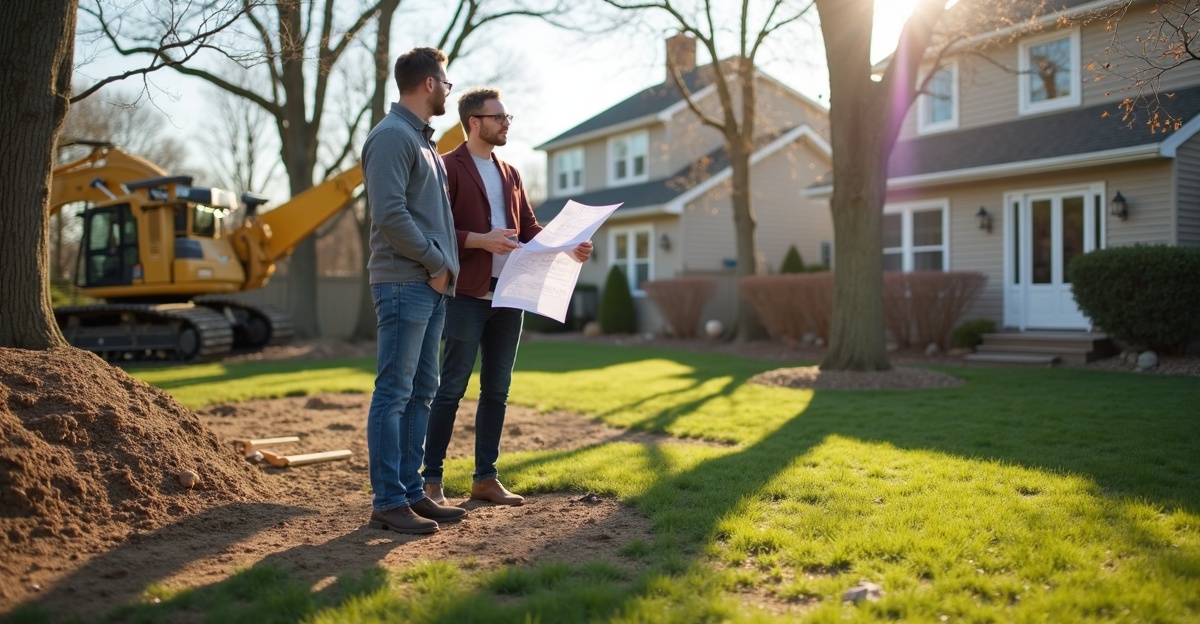
An outdoor living master plan defines a complete vision for the property. We address layout, grading, drainage, utilities, structures, and long-term phasing before we install any patio or feature. This approach guides traffic flow, accounts for Minnesota soil conditions, integrates structural elements, and prepares for future expansion from day one. We help homeowners avoid costly rework and create outdoor spaces that perform well for years.
Key Takeaways
- An outdoor living master plan considers the entire property, including layout, elevation changes, drainage, utilities, and future additions.
- We prioritize functional traffic flow, privacy, and winter usability before we finalize aesthetic details.
- We address proper grading, base preparation, and drainage solutions to handle Minnesota’s clay soils and freeze-thaw climate.
- We design patios, retaining walls, and hardscapes as one structural system to ensure stability and long-term durability.
- We plan utilities early and phase construction carefully to protect the investment and prevent unnecessary disruption later.
Start With the Big Picture: A Complete Vision for Your Property
An outdoor living master plan is a complete vision for the entire property. It goes beyond adding a patio or a fire pit and looks at the full layout, grading, utilities, structures, traffic flow, and how the space can grow in phases over time.
Too often, projects begin with a single feature. A homeowner decides to install a patio, then later adds a retaining wall, then lighting, then a grill island. Without a long-term outdoor living design layout, each piece gets added in isolation. That approach can limit options, create drainage problems, or require rework when new features go in.
A true master plan accounts for:
- Overall site layout and elevation changes
- Drainage and water management
- Utility routing and rough-ins
- Structural relationships between walls, patios, and steps
- Future additions that may come years later
In Shakopee and throughout Scott, Carver, Dakota, and Hennepin Counties, we often see suburban lots with sloped backyards, walkout basements, and newer developments that begin as blank canvases. Those properties benefit most from full-site planning. Early decisions about elevation, access, and grading shape everything that follows.
At the consideration stage, it’s important to understand the full scope before calling a contractor. We encourage homeowners to think through layout, drainage, function, budget, and long-term value first. That big-picture approach protects investment and sets the project up for success from day one.
Design the Layout Around Real-Life Use and Traffic Flow
An outdoor living design layout should reflect how people actually move and gather. Good design always starts with function. Looks matter, but daily usability matters more.
We study how people exit the house and where they naturally walk. Entry points from sliding doors, mudrooms, and garage service doors influence everything. Walkways should guide movement smoothly between the patio, grill area, yard, driveway, and side yard. Inside views also matter. Sightlines from kitchen windows and living areas affect where focal points, seating, and plantings should go.
In newer neighborhoods, privacy becomes a major factor. Homes often sit closer together. Fences, walls, plantings, and elevation changes should be planned early, not treated as an afterthought.
Traffic flow should support natural gathering patterns. Guests typically move from cooking to dining to seating to open yard space. Cramped layouts or awkward transitions make the space feel smaller than it is.
Minnesota adds another layer of practicality:
- Snow paths need to stay clear from doors to driveways.
- Grill areas may need winter access.
- Spring melt can create muddy transition zones if surfaces aren’t planned correctly.
Backyard master plan ideas that ignore winter realities usually create frustration later. Our warm season is shorter, so every usable day counts. A well-planned layout helps families move easily, entertain comfortably, and maintain the space with less effort. Balanced design is important, but day-to-day function always comes first.
Address Grading, Drainage, and Minnesota Soil Conditions First
Drainage and grading must be solved before building any surface or structure. Skipping this step leads to settlement, pooling water, and long-term headaches.
In this region, clay-heavy and compacted soils are common. These soils hold water and expand during freeze-thaw cycles. Spring snowmelt can overwhelm poorly graded yards. Without proper preparation, patios can shift and retaining walls can lean.
Our approach always begins with correcting the grade and setting proper slope away from the home. That often includes:
- Swales to redirect surface water
- Drain tile systems behind retaining walls
- Regrading and slope correction across the yard
- Retaining walls to manage elevation changes
Base preparation is critical in Minnesota’s climate. Patios require adequate excavation depth, proper aggregate base layers, and mechanical compaction. The goal is to create a stable foundation that handles freeze-thaw cycles year after year. Cutting corners here may lower the upfront cost, but it usually raises long-term repair expenses.
Managing erosion and water movement before installing hardscapes protects the entire investment. We treat drainage as part of the structure, not as an add-on. That mindset prevents costly mistakes and reinforces the long-term value homeowners expect.
Plan Patios, Retaining Walls, and Hardscapes as One Structural System
Patios, retaining walls, steps, seating walls, fire features, and outdoor kitchens should be designed as a unified system. They must relate to each other in scale, elevation, and structure.
Elevation changes are common in Shakopee-area yards, especially with walkout basements. Integrated planning ensures that walls support patios properly, steps align with traffic flow, and transitions feel natural instead of forced.
For projects that require structural elements and permanent grade changes, we approach them through coordinated hardscape construction. That means accounting for frost depth, base compaction, and lateral pressure behind walls before any surface materials are installed.
Material choice should support Minnesota’s climate. Pavers, natural stone, and segmental wall systems need to handle:
- Freeze-thaw cycles
- Heavy snow loads
- Seasonal expansion and contraction
Certain finishes look attractive on paper but perform poorly here. We focus on materials that have a proven track record in this environment.
Structure placement also affects snow storage and drainage. A patio set too close to a slope can trap runoff. A wall placed without considering plow routes can complicate winter maintenance. Long-term durability always receives priority over short-term trends.
Integrate Utilities and Plan for Future Expansion
Utilities should be mapped during the master planning stage, even if features are installed later. Once patios and walkways are in place, retrofitting power or gas lines becomes disruptive and expensive.
We coordinate utility planning through thoughtful outdoor living design so everything works together. That includes:
- Electrical rough-ins for outlets and feature lighting
- Low-voltage layouts for pathway and accent lighting
- Gas lines for fire pits or grills
- Irrigation adjustments around new structures
Planning ahead may also mean installing conduit under a future patio extension or placing sleeves under walkways. These small steps allow backyard master plan ideas to unfold in phases.
A phased approach often looks like this:
- Phase 1: Drainage corrections and base preparation
- Phase 2: Patios, retaining walls, and main structural elements
- Phase 3: Finish features such as lighting, fire elements, or kitchen additions
This structure supports realistic budgeting. It protects finished work and prevents tearing apart completed areas later. Thoughtful sequencing keeps the project efficient and aligned with long-term goals rather than piecemeal upgrades.
Protect Long-Term Value: Maintenance, Budget Questions, and Contractor Accountability
A strong plan should consider how the space will be maintained over time. Accessibility for snow removal matters. Drainage systems should remain accessible for inspection and service. Materials should age well and maintain their appearance with normal upkeep.
Planning decisions directly impact property value and curb appeal. A well-graded, balanced outdoor space feels intentional. It signals quality and care to future buyers.
Before hiring a contractor in Shakopee or surrounding communities, homeowners should ask practical questions:
- How will drainage and grading be handled?
- What base depth is used for patios in Minnesota conditions?
- Can this design be built in phases?
- How are unexpected soil conditions addressed?
Real-world local experience makes a difference. Working with freeze-thaw cycles, clay soils, and sloped suburban lots requires hands-on knowledge. We stay involved from initial consultation through final walkthrough. Our recommendations stay grounded in what makes sense for the space and budget.
A successful project begins with the overall layout, not just the patio. Homeowners who want a clear, long-term direction for their property can explore our approach to outdoor living or reach out through our contact page to schedule a consultation. Starting with a solid outdoor living master plan protects time, investment, and the value of the home for years to come.