

What Is The Difference Between Hardscape And Landscape?
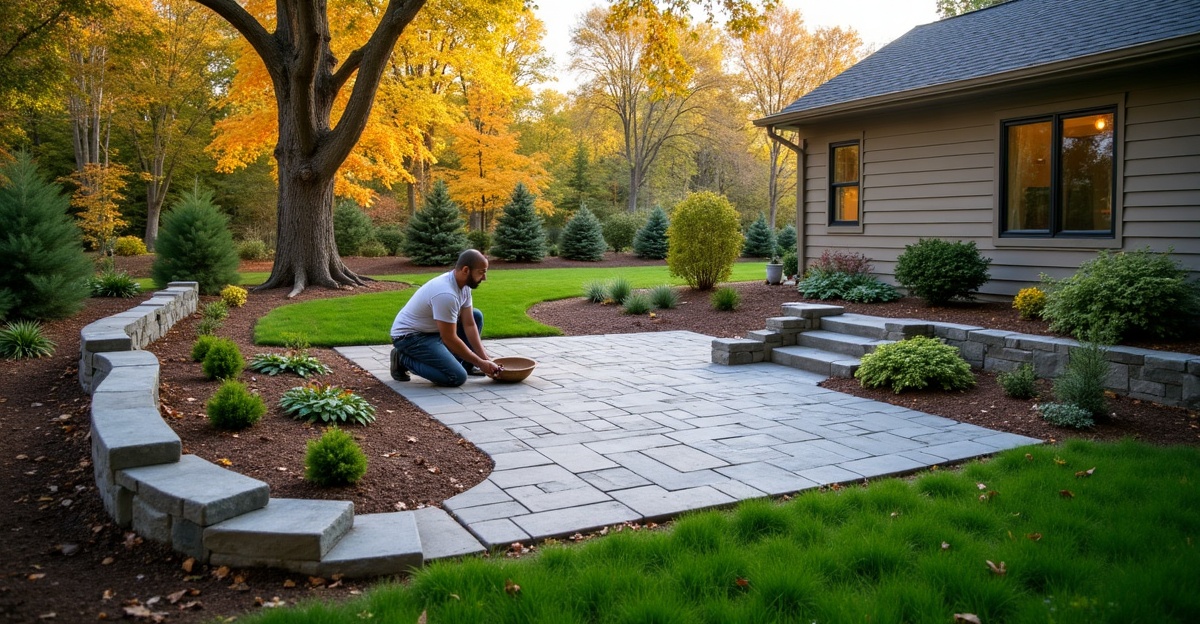
Understanding hardscape vs landscape starts with a clear definition. We define hardscape as the non-living structural elements of a yard, while we use landscape to describe living plants and the soil preparation that supports them. This difference drives how we plan outdoor projects, especially in Minnesota, where drainage, grading, and freeze-thaw cycles demand that we install structure and manage water before we plant.
Key Takeaways
- Hardscape includes built features like patios, retaining walls, walkways, and drainage systems that create structure, control water, and define usable space.
- Landscape includes living elements such as lawns, trees, shrubs, planting beds, and the soil preparation that supports healthy growth.
- In Minnesota climates, we install hardscape and correct grading first to prevent drainage issues, frost heave damage, and soil movement.
- Hardscape delivers durability and long-term stability, while landscaping improves curb appeal, supports environmental health, and adds visual balance.
- The most successful outdoor designs combine both, as we use structural elements to anchor the space and greenery to soften and complete it.
Hardscape vs Landscape: The Core Difference Homeowners Need to Know
Hardscape vs landscape comes down to one clear distinction. Hardscape refers to the non-living, structural elements of a yard, while landscape refers to the living elements and soil-related work that support plant growth and overall appearance.
Hardscape includes patios, retaining walls, walkways, and other built features that provide shape, support, and usable space. Landscaping includes grading, lawn areas, planting beds, trees, shrubs, and groundcover. Both affect how a property functions, how it looks, and how well it holds value over time.
The hardscaping meaning centers on structure and permanence. These elements anchor the space and manage weight, traffic, and water. The differences in landscaping vs hardscaping become clear when we look at purpose: one supports movement and durability, the other supports growth and environmental health.
Understanding the difference helps homeowners decide what type of contractor they need before starting a project. In Shakopee and across Scott, Carver, Dakota, and Hennepin Counties, this clarity avoids delays and missteps, especially in our climate where soil and water conditions demand careful planning. Outdoor design basics always start with knowing which category a project falls into.
What Is Hardscaping? (Definition and Real-World Examples)
Hardscaping means the non-living structural components of an outdoor space. These features are built from materials like concrete, pavers, natural stone, brick, or block.
Common hardscape examples in Minnesota projects include:
- Paver patios
- Retaining walls
- Walkways
- Driveway extensions
- Drainage systems
- Steps and edging
These elements control movement, both foot traffic and water flow. They provide structural support on slopes and around foundations. They reduce erosion by holding soil in place. Most importantly, they create usable outdoor living space that stands up to weather and wear.
In our region, hardscape decisions often come first. Freeze-thaw cycles, frost heave, clay soils, and seasonal soil movement all put pressure on structures. Heavy spring rains can expose drainage flaws quickly. If base preparation is rushed or done improperly, patios shift, walls lean, and walkways settle unevenly.
A patio is hardscape, not landscape. It’s a structural surface that requires a compacted base, proper grading, and edge restraint. The same goes for retaining walls and steps. These are long-term installations that must be built for Minnesota conditions.
While appearance matters, long-term durability matters more. A properly installed hardscape should perform for decades with minimal settling. That performance depends on excavation depth, base material, compaction, and drainage planning. Cutting corners in these areas leads to callbacks and costly repairs.
For homeowners exploring hardscape construction, structure and base work should always drive the conversation first. Color and pattern come after stability.
What Is Landscaping? (Living Elements and Soil Work Explained)
Landscaping refers to the living components of a yard and the soil preparation that supports them. It shapes the green and growing portions of the space.
Examples of landscaping work include:
- Soil grading
- Lawn installation
- Planting beds
- Trees and shrubs
- Groundcover
- Erosion control plantings
Professional landscape construction differs from routine lawn care. Landscape construction includes reshaping soil, preparing beds, amending earth, and installing plant material with a long-term plan in mind. Lawn care focuses on mowing, fertilizing, and seasonal maintenance. They are related, but they are not the same service.
Landscaping improves curb appeal and environmental performance. Healthy plantings support drainage, filter runoff, and cool surrounding areas. Trees add shade and privacy. Planting beds soften the hard edges of patios and walls. Lawn areas create open space for play and movement.
In areas like Shakopee and surrounding counties, soil quality and grading matter. Clay-heavy soils can hold water too long. Poor slopes can send runoff back toward the house. Landscaping done without understanding grade and drainage often struggles to thrive.
Strong landscaping builds on proper structure. It works with the land instead of fighting it. Every tree placement, bed line, and lawn area should align with overall drainage and long-term growth.
Which Comes First in Minnesota? Structure Before Greenery
In Minnesota projects, hardscape typically comes first. Structure should lead, then greenery follows.
Proper grading prevents standing water and foundation issues. Drainage systems need to be installed before sod or planting goes in. Retaining walls must stabilize slopes before seeding or installing beds. If planting happens first, it often gets torn up during structural work.
Freeze-thaw cycles and frost heave add pressure to poorly planned installations. Heavy spring rains test drainage immediately. Clay soils expand and contract with moisture changes. These regional factors make structure-first planning essential.
Outdoor design basics begin with water management and grade control. Once water flows away from structures and surfaces sit on solid, compacted bases, landscape elements can be installed confidently.
Overlooking hardscape planning leads to rework. We’ve seen patios removed to fix drainage, beds reshaped after walls failed, and sod replaced after trenching for proper runoff control. Those corrections cost more than doing the sequence properly the first time.
Well-planned projects in Scott, Carver, Dakota, and Hennepin Counties focus on long-term performance. Greenery should complement structure, not hide underlying problems.
How Hardscape and Landscape Work Together in a Complete Outdoor Design
The strongest projects combine hardscaping and landscaping with intention. Each supports the other.
A retaining wall holds back soil on a slope. Proper grading ensures water moves away from the foundation. A paver patio creates a gathering space for family and friends. Planting beds and lawn areas soften edges and connect everything visually.
Structure gives definition. Greenery brings comfort and natural character. Together, they create balance.
For example, we may build a retaining wall to stabilize a backyard grade. Next, we adjust soil contours so runoff drains correctly. Then we install a patio for seating. Finally, we add trees, shrubs, and lawn areas to frame the space and improve privacy.
That sequence protects the investment. It also improves resale value and day-to-day enjoyment.
Our approach to outdoor living spaces focuses on what makes sense for the property. We stay hands-on from the first consultation to the final walkthrough. We recommend upgrades only if they improve function or longevity. Every yard is different, and we respect that.
Homeowners planning a patio, retaining wall, drainage solution, or full outdoor living space should start with a clear understanding of hardscape vs landscape. That clarity shapes the right plan, the right sequence, and the right team. When structure and greenery work together, the result holds up to Minnesota weather and serves the property well for years to come.