

What Are The Best Outdoor Living Ideas For Small Backyards?
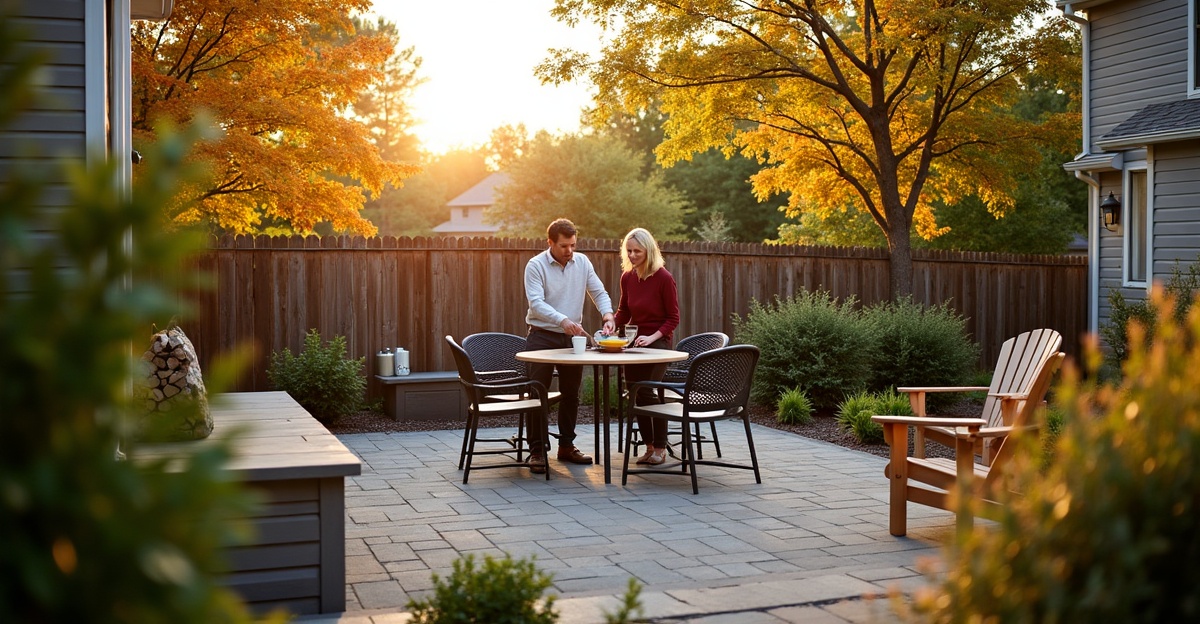
Small outdoor living ideas work best when we focus on smart layout, durable materials, and features that fit Minnesota’s tighter suburban lots. We turn a compact backyard into a functional, long-lasting space by prioritizing clear zoning, proper drainage, freeze-thaw durability, and practical upgrades that improve daily use.
Key Takeaways
- Define clear zones for dining, lounging, and cooking to help a small backyard feel organized and more spacious without overcrowding it.
- Scale patios, fire features, and seating appropriately so we don’t overwhelm the yard or restrict traffic flow.
- Use retaining walls, built-in benches, and grade adjustments to create usable flat space on sloped lots.
- Choose materials like properly installed pavers with solid base preparation to handle Minnesota’s freeze-thaw cycles.
- Plan for drainage, snow storage, and local setbacks early so we prevent long-term maintenance issues and costly corrections.
Small Backyard, Big Potential: What Actually Works in Minnesota Yards
Many homeowners in Shakopee and the surrounding communities look at their lot and think there’s no room to do anything meaningful. Typical suburban lot sizes can feel tight, especially after accounting for setbacks, easements, and drainage swales.
Compact yards aren’t a setback. They’re an opportunity for smarter, more intentional design. The best small outdoor living ideas focus on layout, function, and durability rather than trying to copy oversized estate-style patios.
Most homeowners we work with want practical features they can build and maintain in Minnesota. That means materials that handle freeze-thaw cycles, layouts that respect frost depth and lot lines, and drainage that actually works in spring melt. Trends come and go, but compact outdoor spaces MN need long-term performance.
Strong results come from clear zoning, multi-functional elements, and features scaled appropriately to the yard. When we approach small backyard outdoor living this way, even modest properties feel purposeful and complete.
Smart Layout Strategies That Make Small Backyard Outdoor Living Feel Bigger
The layout decides everything. On smaller lots in Scott, Carver, Dakota, and Hennepin Counties, every square foot has to earn its place.
We start by defining zones, even within limited space. That might mean carving out a small dining area, a lounge corner, and a compact grill station. These zones don’t require walls. They simply need clear edges and thoughtful spacing.
Traffic flow matters just as much. Access to doors, gates, and garages must stay open. Blocking a side yard path with patio furniture or a fire pit creates daily frustration and makes the space feel cramped.
Scaling features correctly changes how the yard feels. Lower-profile seat walls often work better than bulky standalone furniture. Compact fire features feel balanced in a smaller footprint. Subtle pergolas or privacy screens can add vertical interest without overwhelming the space.
Sloped lots are common across the southwest metro. In those cases, retaining walls can create flat, usable pads that didn’t exist before. A few feet of grade correction can transform how a yard functions.
We often reference small patio ideas Minneapolis homeowners use on tight city lots. Those spaces succeed because they’re intentional. Clean lines, defined seating areas, and minimal clutter go a long way in small backyard outdoor living.
For homeowners starting from scratch, thoughtful outdoor living design ensures the layout supports how the space will actually be used year after year.
High-Impact Features That Fit Compact Outdoor Spaces MN
In smaller yards, every feature should solve a problem or add clear function. Decorative extras without purpose usually crowd the space.
A paver patio, sized intentionally, often becomes the anchor. We measure realistic seating layouts first, then build the patio to fit them. Overbuilding a patio eats up green space and can make the yard feel boxed in.
Built-in benches and seat walls are practical upgrades. They free up valuable square footage by replacing bulky patio furniture. When tied into proper hardscape construction, they also provide structure and long-term stability.
Compact fire features work well in smaller yards. A small gas or wood-burning unit creates a gathering point without dominating the patio. Thoughtful landscape fire features add warmth and season extension while keeping scale in check.
Integrated steps and retaining walls help manage grading and increase usable surface area. Instead of fighting the slope, we use it to define levels and seating edges.
Drainage can’t be an afterthought in compact outdoor spaces MN. Grading away from the home, directing downspouts properly, and preventing water from pooling in low spots are all part of the build. These small outdoor living ideas work because they combine function, durability, and efficient use of limited space.
Every feature must also respect city requirements in Shakopee and nearby communities. Setbacks, lot lines, and utility easements shape what’s possible. Working within those boundaries early avoids costly adjustments later.
Choosing Materials That Stand Up to Freeze-Thaw Cycles
Minnesota’s climate demands the right materials and proper installation.
Pavers typically outperform poured concrete in our conditions. Individual units flex slightly during freeze-thaw cycles. If damage occurs, we can replace a section without tearing out the entire surface. Poured slabs, while sometimes less expensive upfront, often crack and become difficult to repair cleanly.
Proper base preparation is critical. We excavate to appropriate depth, account for frost depth, and compact the base material correctly. Shortcuts below the surface usually show up as heaving or settling within a few winters.
Joint materials also matter. Polymeric sands and other stabilized joint options reduce weed growth and resist washout. They help lock the system together while still allowing minor seasonal movement.
Grading and drainage challenges are part of nearly every Minnesota project. Repeated freeze-thaw cycles amplify weak spots. Trend-focused materials that look great in photos may shift, crack, or deteriorate after several hard winters.
Craftsmanship makes the difference. Careful base work, solid edge restraints, and proper compaction protect the investment. We focus on long-term value because a small yard doesn’t leave room for repeated do-overs.
Common Mistakes That Make Small Yards Feel Even Smaller
Smaller spaces show design mistakes quickly. Oversized features shrink visual openness and limit usable room.
Here are common issues we see:
- Installing oversized outdoor kitchens that dominate the yard
- Adding large water features without considering sound, scale, or maintenance
- Ignoring drainage, leading to standing water and icy patches
- Forgetting about snow storage during winter
- Blocking natural traffic flow with random furniture placement
- Packing in too many upgrades without a cohesive plan
Overscaling features is one of the biggest missteps. Massive pergolas, elaborate kitchens, or bulky islands often overwhelm compact lots. Balanced proportions feel better over time.
Drainage problems create frustration fast. Standing water turns into ice in winter and accelerates surface failure. Snow storage also needs planning. Plows and snow blowers require somewhere to pile snow without damaging edges or blocking access.
We believe in realistic design. Instead of promising dramatic transformations that ignore site limitations, we focus on what fits and performs well. Simple, clean layouts often outperform trend-driven ideas copied from larger properties.
Budget, Resale Value, and When to Bring in a Professional
Thoughtful design increases usable space and improves resale appeal. Even a modest small backyard outdoor living area can strengthen a property’s first impression if it feels intentional and well built.
Well-planned compact spaces often deliver strong value per square foot. Buyers notice clean layouts, solid materials, and functional seating areas. They also notice poor drainage and cracked concrete.
Budget concerns are real. Phasing a project can make sense. Start with the patio and grading, then add a fire feature or lighting later. Prioritizing durability up front protects future additions.
A professional consultation gives clarity before investing. During a typical process, we:
- Evaluate the site for grading, drainage, frost considerations, and setbacks
- Discuss goals and realistic layout options
- Recommend materials that fit both budget and climate
- Outline scope, timeline, and practical limitations
Clear communication prevents surprises. We focus on what makes sense for the space rather than pushing unnecessary upgrades. The goal is long-term satisfaction, not short-term flash.
Homeowners who want direction can explore our outdoor living services to see how different elements come together, review past projects in our project gallery, or reach out through our contact page to start a conversation.
Strong small outdoor living ideas bring order, function, and durability to Minnesota backyards. With smart layout, the right materials, and practical expectations, even a compact lot can feel complete and built to last.