

How Do You Plan An Outdoor Living Space Step By Step?
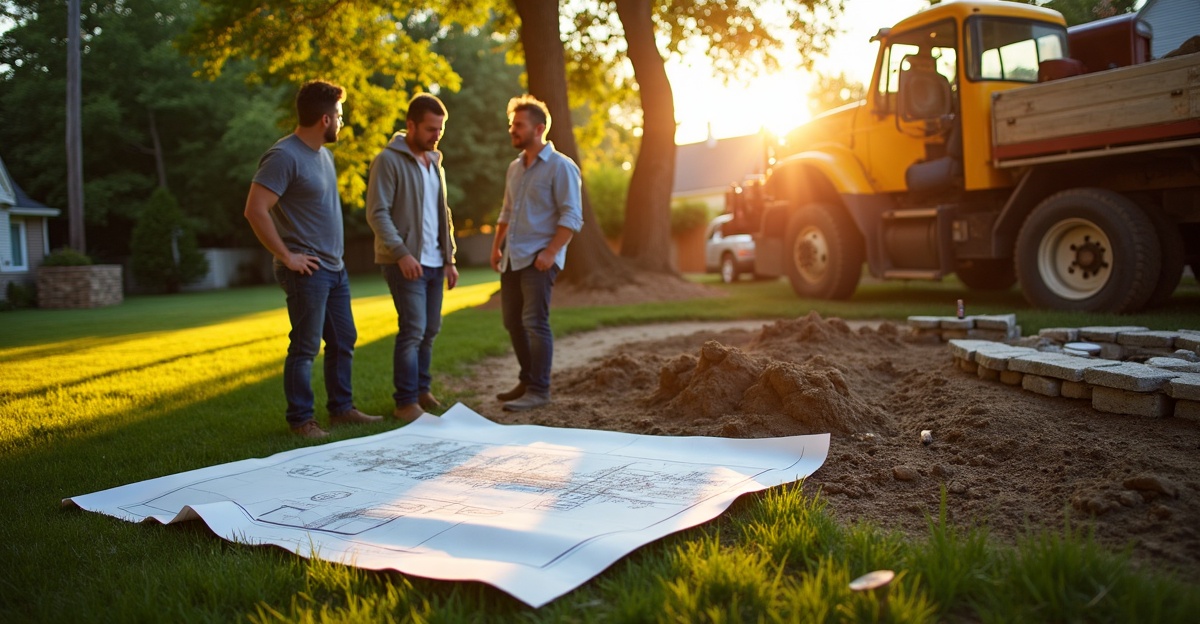
Outdoor living planning works best when we follow a clear, step-by-step process. We start by defining how we’ll use the space and by evaluating our property’s actual conditions. By setting priorities, reviewing drainage and soil factors, establishing a realistic budget, choosing materials that handle Midwest weather, and partnering with the right contractor, we create a durable outdoor space built around daily life instead of short-term trends.
Key Takeaways
- We start by defining the primary purpose of the space and by separating must-haves from future upgrades.
- We evaluate slope, drainage, soil conditions, sun exposure, and local permit requirements before we finalize any design.
- We set our budget and timeline based on project scope, including excavation, base preparation, materials, and site access.
- We choose materials and construction methods that withstand freeze-thaw cycles and support long-term structural stability.
- We develop a site-specific plan that accounts for water management, phasing, inspections, and active contractor oversight.
Define the Purpose and Priorities of Your Outdoor Living Space
Every successful outdoor project starts with a clear reason behind it. Solid outdoor living planning begins with understanding how the space will actually be used day to day.
Some homeowners picture hosting large gatherings. Others want quiet evenings around a fire feature. Many need a practical outdoor dining area, a poolside retreat, a place for kids to play, or simply a low-maintenance spot to unwind after work. Each goal leads to a different layout and material approach.
We always separate must-haves from nice-to-haves early in the conversation. A patio might be essential. An outdoor kitchen could be a second-phase addition. Retaining walls, pergolas, drainage corrections, or lighting may move up or down the priority list depending on the property. Clear priorities keep outdoor living project planning grounded and focused.
Long-term lifestyle matters too. Aging in place may mean wider walkways and fewer elevation changes. A growing family may need open lawn space now and expanded entertaining areas later. Resale value can also influence layout decisions, although daily use should drive the design first.
The most common mistake we see is designing around trends instead of daily habits. A feature that looks good online may not fit how a household actually lives. There is no one-size-fits-all layout. Every property and family is different, and outdoor living planning should reflect that from the start.
Evaluate Your Property Conditions Before Designing Anything
Before sketching layouts or picking materials, the property itself needs an honest evaluation. The outdoor living space design process should always begin with the ground beneath it.
Slope and grading come first. If a yard drops sharply, retaining walls or terracing may be necessary. If it’s relatively flat but poorly drained, subtle regrading might solve long-term issues. Ignoring slope leads to patios that feel disconnected or become unstable over time.
Drainage is especially important in Minnesota. Spring thaw and heavy summer storms can overwhelm poorly planned systems. Surface water should move away from the home, and runoff from patios must be directed intentionally. Skipping this step leads to pooling water, ice buildup, and freeze damage.
Minnesota’s freeze-thaw cycles create soil movement year after year. In parts of Scott, Carver, Dakota, and Hennepin County, heavy clay soils expand when wet and contract when dry. Without proper base preparation and soil separation, patios and walkways can shift, settle, or crack. We plan for that movement from day one.
Sun exposure and prevailing winds shape comfort. A pergola placed without considering afternoon sun may offer little relief. Snow load also affects structures like pavilions and overhead elements, which must be built to handle local winter conditions.
Property lines, setbacks, utilities, easements, and HOA restrictions also shape the design. Scott County and surrounding areas may require permits for retaining walls, structural elements, or large hardscape installations. Verifying these details early prevents costly redesigns.
Skipping site evaluation almost always leads to preventable problems. A thoughtful outdoor living space design process protects the investment long before equipment arrives on site.
Set a Realistic Budget and Timeline Based on Scope, Not Guesswork
Outdoor projects vary widely in cost and timing. Instead of guessing numbers, we focus on what truly drives the scope.
Primary Cost Drivers
- Size and layout complexity
- Excavation depth and base preparation requirements
- Drainage integration and soil correction
- Material selections such as natural stone versus concrete pavers, or composite versus wood structures
- Access to the backyard for equipment and material staging
A properly built patio includes excavation to adequate depth, a compacted granular base, edge restraints, and intentional drainage planning. Surface materials are only part of the equation. Skipping structural layers may reduce upfront cost, but it significantly shortens the life of the project.
Timelines depend on weather, permitting, site conditions, and material availability. A straightforward patio differs from a multi-level space with retaining walls, kitchens, and utilities. Outdoor living project planning should align expectations early so progress feels steady and predictable.
No two projects follow identical schedules. That’s why we focus on scope, not averages pulled from somewhere else.
Choose Materials and Construction Methods Built for Midwest Durability
Quality materials mean something specific in Minnesota. They must handle freeze-thaw cycles, shifting soils, and real seasonal swings.
Pavers should be rated for freeze-thaw durability. Gravel bases must be installed at sufficient depth and compacted properly. Geotextile fabric may be needed to separate clay soils from base layers. Edge restraints prevent lateral movement. Drainage should tie into the overall grading plan rather than being an afterthought.
Material options each come with trade-offs:
- Natural stone offers timeless character but can vary in texture and maintenance needs.
- Manufactured pavers provide consistent sizing, reliable performance, and broad color options.
- Poured concrete can perform well when installed correctly, though it may crack over time.
- Composite decking reduces maintenance compared to wood, while treated lumber offers lower initial cost with ongoing upkeep.
We guide homeowners through these decisions during the outdoor living design process. The goal is not to upsell materials, but to select options that match the property, the budget, and long-term expectations.
Craftsmanship and base preparation determine whether a patio lasts five years or twenty-five. Compaction, drainage control, and edge integrity matter more than surface color. Long-term value almost always favors completing the foundational work correctly the first time.
Build a Site-Specific Plan That Accounts for Drainage, Permits, and Phasing
Water management should be mapped before installation begins. Surface slopes must direct water away from foundations. Downspouts should connect intentionally with surrounding grading. Drain tile may be necessary in certain low areas. Elevated patios and retaining walls must manage runoff safely.
Permitting requirements in Scott County and nearby communities may apply to retaining wall height, lot coverage, and structural additions. Setbacks and HOA guidelines can influence layout and materials. Confirming these details early protects both schedule and budget.
Retaining walls above certain heights may require engineering or specialized footings. These structures must resist soil pressure and seasonal movement. Proper construction keeps them safe and stable long term.
Phasing often makes practical sense. We commonly recommend:
- Installing patios and correcting grading first
- Running gas and electrical lines in advance, even if features are added later
- Adding pergolas, kitchens, or fireplaces as budget allows
Planning ahead prevents tearing up finished work in future seasons. A clear, organized approach reduces oversights. Outdoor living planning becomes smoother when each phase builds logically on the last.
Our outdoor living services are structured around this kind of coordinated process, whether a project unfolds in one season or over several.
Work With the Right Contractor and Know What to Expect During Installation
The right contractor does more than install pavers. Clear communication and accountability matter from the first meeting to the final walkthrough.
Strong outdoor living project planning includes a clearly defined scope of work. We outline excavation depth, base preparation standards, compaction methods, and drainage strategy. Local experience with clay soils and freeze-thaw cycles helps prevent shortcuts that lead to settling or failure.
The outdoor living space design process typically includes:
- An initial site visit and consultation to clarify goals and evaluate conditions
- Concept discussion and material recommendations
- Detailed layout planning with phased scheduling
- Structured installation with on-site oversight
- A final walkthrough to confirm everything meets the agreed scope
Hands-on involvement makes a difference. Consistent oversight reduces miscommunication and keeps quality standards high throughout construction.
DIY projects are not always wrong. Simple patios on stable, well-drained soil can work for experienced homeowners. However, complex grading, drainage corrections, and structural retaining walls benefit from professional oversight. The long-term risk of settling, shifting, or structural issues often outweighs initial savings.
For homeowners in Shakopee and surrounding counties who are ready to explore options, we offer no-pressure site visits. Learn more about our approach at Outdoor Oasis, or reach out directly through our contact page. When the time feels right, we’re ready to help turn thoughtful outdoor living planning into a finished space built to last.