

How Do You Maintain an Outdoor Kitchen Year Round?
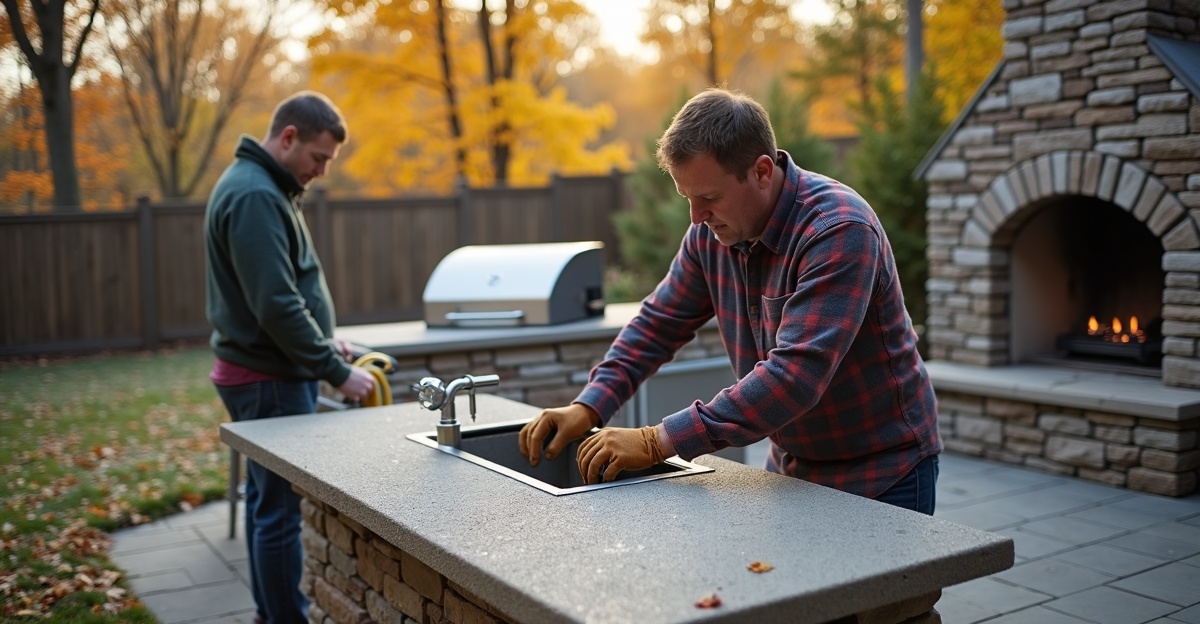
Outdoor kitchen maintenance in Minnesota calls for a clear, season-by-season plan that protects plumbing, masonry, appliances, and drainage from freeze-thaw cycles, heavy snow, and spring melt. We keep an outdoor kitchen performing year-round by winterizing utilities, checking for moisture issues in spring, staying consistent with summer upkeep, and fixing structural concerns early to avoid costly damage later.
Key Takeaways
- Winterize water and gas lines, seal joints, and use breathable covers to prevent freeze damage and moisture buildup.
- Inspect masonry, pavers, caulk, and utilities each spring to catch cracks, settling, and leaks before they spread.
- Practice consistent summer cleaning by removing grease, drying surfaces after rain, and checking hardware and ventilation.
- Manage drainage, grading, and snow removal carefully to limit water intrusion and stress on stone and mortar.
- Handle routine cleaning ourselves, but call a professional for plumbing winterization, gas lines, or structural repairs.
What Year-Round Outdoor Kitchen Maintenance Really Looks Like in Minnesota
Outdoor kitchen maintenance in Minnesota means protecting the space from moisture, freezing temperatures, and seasonal expansion. In Shakopee and across Scott, Carver, Dakota, and Hennepin Counties, that protection matters as much as daily cleaning. Homeowners with outdoor living spaces in Savage should also plan seasonal maintenance around moisture control, freezing temperatures, and proper drainage.
Freeze-thaw cycles create steady pressure on stone, pavers, and plumbing. Heavy snow loads add weight. Spring melt pushes water into seams and joints. Over time, moisture intrusion becomes the biggest long-term risk to countertops, masonry, gas lines, and appliances.
In practical terms, outdoor kitchen maintenance covers five main areas:
- Protecting plumbing and gas from freeze damage
- Preventing water intrusion into joints and cracks
- Keeping stainless steel and appliances clean and dry
- Monitoring pavers and stone for shifting or settling
- Managing snow and drainage during winter and spring
That doesn’t mean constant work. It means seasonal preparation and steady habits. The goal is prevention, not repair.
Maintenance outdoor kitchen MN properties require is more climate-specific than most national advice suggests. What works in milder states won’t hold up here. Our winters test everything we build. That’s why long-term durability and property value drive how we approach every outdoor kitchen and dining area we construct.
Outdoor Kitchen Winter Care: Protecting Your Investment Before the Freeze
Outdoor kitchen winter care carries the most weight in Minnesota. Fall preparation is what separates a kitchen that lasts decades from one that develops premature cracking, leaks, or appliance issues.
Water expands as it freezes. When moisture gets into stone pores, mortar joints, or plumbing lines and then freezes, it forces materials apart. Repeated freeze-thaw cycles widen cracks and loosen joints. Addressing vulnerabilities before the first hard freeze matters.
Essential Winter Prep Tasks
Before consistent freezing temperatures arrive, we recommend completing the following:
- Shut off and disconnect all water lines. Drain plumbing completely to avoid cracked supply lines in spring.
- Blow out irrigation or sink supply lines if tied into those systems.
- Shut off gas lines where appropriate and inspect visible connections for wear or corrosion.
- Deep clean grills and appliances before covering. Remove grease buildup, empty drip trays, and dry surfaces fully.
- Use breathable, weather-rated covers. Avoid plastic tarps that trap condensation.
- Inspect and seal caulk joints to block water intrusion.
- Ensure stone countertops and masonry joints are intact so water cannot sit before freezing weather.
- Correct settling pavers or cracked joints before winter expansion worsens the damage.
Snow management also plays a role. Avoid metal shovels on pavers to prevent chipping. Harsh de-icers can damage stone and mortar, so choose products approved for masonry. Professional snow removal reduces unnecessary surface wear around the kitchen zone.
DIY vs. Professional Winterization
Many homeowners handle cleaning, covering, and visual inspections themselves. That’s often sufficient for standard upkeep.
Plumbing winterization and gas adjustments, however, may warrant a service call. Improperly drained lines or loose fittings can lead to expensive damage. If there’s uncertainty, a qualified professional should perform the shutdown. A short fall service visit often prevents major spring repairs.
Consistent outdoor kitchen winter care keeps repair costs low and preserves both finishes and structure.
Spring Start-Up: Inspect, Clean, and Catch Problems Early
Early spring brings saturated soil, melting snow, and shifting ground. That makes spring inspection a critical part of maintenance outdoor kitchen MN homeowners should plan for annually.
Start with masonry and hard surfaces. Look for cracked mortar joints, separations, or gaps around countertops and base walls. Heaved or settled pavers often appear after thaw.
Inspect caulk lines for deterioration. Watch for water infiltration marks, white residue on masonry, or rust spots on stainless steel caused by trapped winter moisture.
Reconnect plumbing carefully and test for leaks immediately. Turn water on slowly. Inspect fittings before full use. Test gas lines and burners according to manufacturer instructions before lighting all components.
Clear debris from vents, fans, drainage channels, and around island bases to restore proper airflow.
Evaluate natural stone surfaces. Some countertops benefit from resealing depending on exposure and wear. Addressing minor cracks and joint repairs early prevents larger structural issues later in the season.
Early detection saves money. Small spring corrections often prevent significant end-of-summer repairs.
Summer Upkeep: Simple Habits That Prevent Long-Term Damage
Summer brings heavy use. Grilling, gatherings, and rainstorms test materials regularly. Consistency matters more than intensity.
Follow practical outdoor kitchen cleaning tips to maintain appearance and performance. Clean stainless steel using grain-friendly products and soft cloths. Wipe in the direction of the grain to minimize scratches.
- Remove grease buildup from grills and vent hoods regularly.
- Empty drip trays frequently.
- Wipe down stone surfaces after heavy rain to prevent standing water.
- Keep drains clear to avoid pooling around cabinets or island bases.
- Tighten loose hardware before alignment issues develop.
Monitor for hairline cracks, loose caps, or shifting pavers. Address them promptly. Small structural shifts can expand during future freeze-thaw cycles.
Avoid harsh chemicals that degrade sealants or etch stone. Maintain proper ventilation in grills and built-in components to extend appliance life.
Consistent outdoor kitchen cleaning habits reduce major repair risks and preserve finish quality year after year.
Structural Care: Stone, Pavers, Drainage, and Moisture Control
Water remains the primary threat to outdoor kitchens in Minnesota. Most structural repairs trace back to moisture issues.
Proper grading and drainage should direct runoff away from the kitchen base. If soil settles and alters slope, water may flow toward masonry instead of away from it.
Pavers must remain stable and properly jointed. Re-level small settling areas promptly to prevent pooling and freeze damage.
Natural stone may require periodic resealing depending on exposure. Sealing limits water absorption while maintaining appearance.
Repair cracked mortar joints early. Mortar acts as a sacrificial protection layer for surrounding stone. Once compromised, deeper materials become vulnerable.
Watch for efflorescence, the white residue that appears when moisture carries salts through masonry. It signals ongoing water movement that deserves attention.
Strong initial hardscape construction combined with consistent maintenance ensures durability through heavy snow loads and spring melt cycles.
Quality materials paired with steady care protect both structural integrity and long-term value.
When DIY Makes Sense—and When to Call a Professional
Some tasks fit easily into a homeowner’s routine. Others benefit from technical experience.
DIY maintenance typically includes routine cleaning, appliance covering, visual inspections, drying surfaces after storms, and basic stone care.
Professional service is recommended for gas line inspection, plumbing winterization, electrical troubleshooting, structural settling, or significant masonry repair. These systems affect safety and long-term performance.
For homeowners in Shakopee and surrounding counties seeking peace of mind, a seasonal walkthrough confirms everything is functioning properly. Through our outdoor living design services, we remain involved from initial planning through long-term care. If questions come up, we’re always accessible through our contact page.
Year-round outdoor kitchen maintenance isn’t complicated. It requires steady, climate-aware care. Done properly, it protects craftsmanship, preserves property value, and keeps your outdoor kitchen ready for gathering in every season.