

Backyard Entertaining Space Ideas
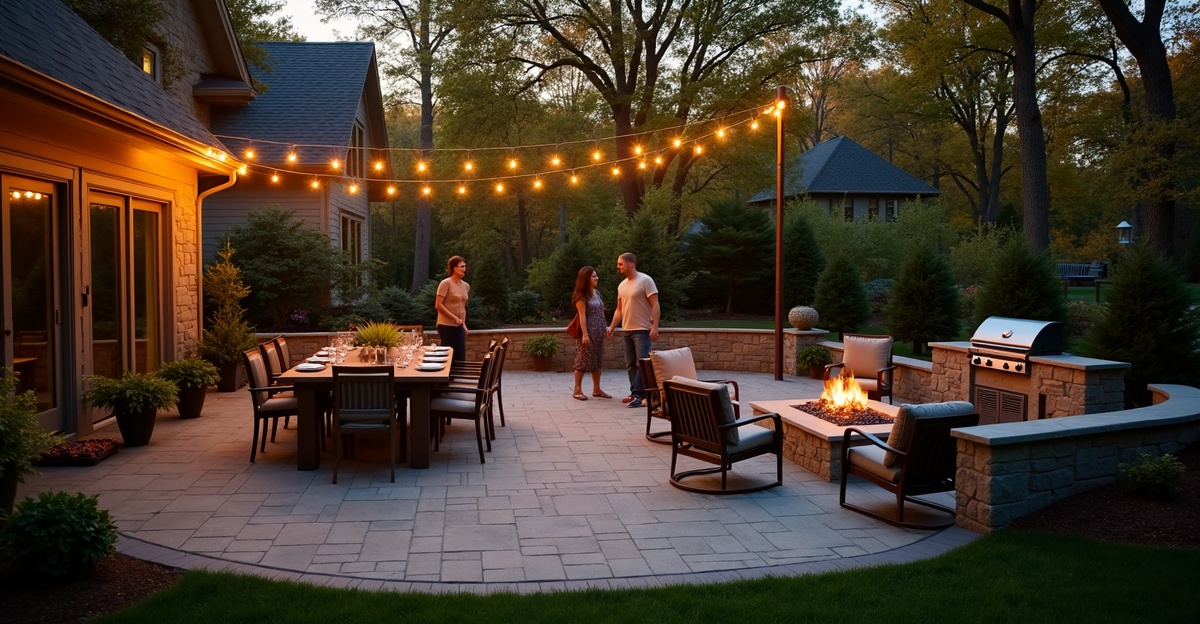
Backyard entertaining space ideas deliver the best results when we start with a clear plan for how we’ll actually use the space. We think about weeknight dinners, relaxed weekends, and those larger gatherings a few times each year. A smart layout, durable materials that handle Minnesota’s freeze-thaw cycles, and practical features like zoning, fire elements, kitchens, lighting, and drainage planning ensure the space works hard and lasts for years.
Key Takeaways
- Define the primary use of the space first, then build around everyday function while allowing comfortable expansion for larger gatherings.
- Focus on patio layout, traffic flow, and zoning to avoid bottlenecks and create clear dining, lounging, cooking, and fire areas.
- Install paver systems correctly with proper base preparation and accurate grading to handle freeze-thaw cycles and prevent cracking and drainage problems.
- Select features like fire pits, seating walls, outdoor kitchens, and lighting based on real habits and long-term durability rather than trends.
- Protect long-term performance by addressing drainage, material quality, maintenance requirements, and realistic investment levels from the start.
Start with How We Actually Want to Use the Space
“I want to upgrade the backyard but don’t know where to start.” We hear that often. The best backyard entertaining space design ideas don’t start with a fire pit or kitchen. They start with purpose.
Before looking at features, we define how the space will be used. That gives the design direction and keeps the project grounded.
Common use cases we plan around include:
- Weeknight family dinners outside
- Hosting large gatherings a few times a year
- Quiet evenings by a fire
- Graduation parties or neighborhood get-togethers
Those scenarios require different layouts. A patio built for four people most nights looks different than one built for 40 people twice a summer. We plan for everyday use first. Then we make sure the space can expand comfortably for maximum guest count without feeling crowded.
Capacity planning matters. If the grill blocks the walkway during parties, the layout needs work. If guests have to squeeze between a dining table and a retaining wall, the design fell short. We account for real circulation.
Traffic flow is one of the most overlooked parts of outdoor entertaining area ideas. We focus on:
- A clear, direct path from the back door to the main patio
- Defined space between dining and lounging areas
- Eliminating bottlenecks near stairs, grills, and gates
That approach shapes strong outdoor living space design Minnesota homeowners can rely on long term. We build for Shakopee and surrounding communities with one mindset: plan once, build once, and make it fit real life.
Homeowners looking for inspiration often start with broad outdoor living space ideas, but those ideas need to be filtered through how the yard actually functions. That’s where good design earns its keep.
Build on a Strong Foundation: Patio Layout, Zoning, and Grade Changes
Most Minnesota backyard patio projects start with the patio itself. It’s the foundation of the entire entertaining space.
We strongly prefer pavers over poured concrete for many situations here in Minnesota. Freeze-thaw hardscape considerations are real, particularly in regions affected by frost heave and freeze–thaw soil movement. Poured concrete tends to crack as the ground shifts. Paver systems, when installed correctly, flex slightly with movement and are serviceable. If a section settles, we can reset it. That’s rarely true with a cracked slab.
Quality installation makes the difference. That means:
- Proper excavation depth based on soil conditions
- Compacted aggregate base in lifts
- Edge restraint to lock the system in place
- Correct slope away from the home for backyard drainage solutions
Without that structure underneath, even the best-looking paver patio ideas will fail.
Layout is just as important as materials. We design patios in zones:
- Dining area
- Lounging space
- Cooking zone
- Fire feature area
Zoning gives order to larger patios. It prevents the space from feeling like one flat slab with furniture scattered across it.
Shakopee patio design ideas often include grade changes. Many subdivisions have sloped backyards. That’s where retaining wall patio design comes in. A low wall can manage grade, double as seating, and create visual structure. Tiered patios and well-placed steps help transition elevation changes safely.
Homeowners who want to see how these concepts come together can review our approach to hardscape construction as part of a complete build strategy.
Add Features That Earn Their Keep: Fire, Seating, Kitchens, and Lighting
Features should support how the space is used. Each addition needs a purpose.
Fire Features and Built-In Seating
Fire pit patio ideas remain one of the most requested upgrades. They extend the season and create a natural gathering point. Placement matters. We account for clearance from structures and overhangs. We also factor in prevailing winds in Minnesota so smoke doesn’t consistently blow back onto the patio.
Gas is convenient and clean. Wood offers a traditional feel. The right choice depends on maintenance expectations and use patterns. Homeowners weighing options can review practical considerations in this guide on adding a fire pit.
Seating wall ideas often accompany fire features. A seat wall can:
- Act as a low retaining structure
- Provide permanent extra seating
- Reduce reliance on movable chairs
- Frame the patio visually
In larger Minnesota backyard patio builds, seat walls anchor the design and prevent the space from feeling open and undefined.
Kitchens and Lighting That Extend the Season
Outdoor kitchen Minnesota projects need to reflect our shorter usable season. We plan for durable materials that handle winter exposure. Stone, concrete counter systems, and quality cabinetry built for freeze-thaw conditions hold up best.
Scope creep is common here. Bigger isn’t always better. We build cook spaces that match actual habits. For practical advice, homeowners can review this outdoor kitchen planning guide before finalizing decisions.
Landscape lighting design is another feature that earns its keep, especially with energy-efficient LED outdoor lighting technology. Strong lighting does three things:
- Improves safety along steps and elevation changes
- Highlights gathering areas
- Extends patio use into fall evenings
Thoughtful lighting installation, like what we offer through our landscape lighting services, keeps the space usable without overpowering the yard.
All these elements come together best under a cohesive outdoor living plan. Features should serve the space, not distract from it.
Design for Minnesota’s Climate: Drainage, Frost, and Long-Term Durability
Freeze-thaw cycles shape everything we build in Scott County, Carver County, Dakota County, and Hennepin County. Frost heave, spring melt, heavy rains, and snow load aren’t abstract concerns. They impact base depth, material choice, and drainage planning.
Slope is critical. We direct water away from the home and off hard surfaces intentionally, following foundation drainage guidelines used in residential construction. That protects both the patio and foundation.
Managing downspouts correctly prevents concentrated runoff from undermining pavers or eroding soil. Backyard drainage solutions may include swales, drain tile, or catch basins depending on the lot.
Material choice also matters. Dense concrete pavers handle freeze-thaw cycles better than lower-quality alternatives. Proper joint sand, such as polymeric sand, keeps joints stable and reduces weed growth while allowing flexibility.
Durability in practical terms means:
- Fewer repairs
- Stable walking surfaces
- Controlled water movement
- Reduced seasonal shifting
That stability protects the investment and keeps maintenance predictable.
Maintenance, Investment Levels, and What Impacts Cost
Investment levels vary based on size, grade changes, seat walls, fire features, outdoor kitchen Minnesota installations, and lighting. Larger patios with multiple elevations require more labor and materials. Integrated features raise complexity.
Thoughtful layout often adds more value than simply adding more components. A well-zoned 600-square-foot patio can outperform a poorly planned 900-square-foot slab.
Ongoing maintenance is straightforward when built properly. Most paver patios benefit from:
- Occasional polymeric sand refresh
- Periodic cleaning and optional sealing
- Checking drainage paths after heavy storms
We avoid promising unrealistic returns. Quality work protects property value and improves daily living. Long-term performance matters more than short-term savings.
What to Think Through Before Meeting a Contractor
Clear goals make planning productive. Before meeting a contractor, it helps to define:
- How many people the space should seat regularly
- Cooking expectations and storage needs
- Desired privacy or shade
- Budget range and long-term plans
Site realities also shape the project. Lot size, setbacks, slopes, and drainage patterns limit what’s feasible. Some builds require permits. Minnesota’s construction season affects scheduling.
Gathering inspiration is helpful, but ideas need to match local climate and buildability. Resources like this backyard renovation checklist or guidance on planning a full yard makeover can clarify priorities before committing.
If we’re starting to plan a backyard entertaining space in the Shakopee area and want practical input on what makes sense for the yard, Outdoor Oasis is happy to walk the property and talk through options. We stay hands-on from consultation to final walkthrough. Clear communication, solid craftsmanship, and long-term durability guide every decision.
Frequently Asked Questions
The best ideas for small yards focus on smart layout and multi-functional features. Use defined zones for dining and lounging, even within a compact patio footprint. Built-in seating walls reduce the need for extra furniture, while vertical elements like lighting or privacy screens add depth. Keeping traffic flow clear prevents the space from feeling crowded during gatherings.
Start by planning for daily use, then allow room for flexible expansion. Design a comfortable dining and lounge setup for regular family use, and ensure open circulation space for additional guests. Avoid placing grills or fire features in walkways. Movable furniture and clearly defined zones help the patio adapt without feeling oversized year-round.
Features that improve function and extend seasonal use add the most value. Fire pits, outdoor kitchens, and integrated lighting increase usability and comfort. Durable paver patios with proper drainage also protect long-term performance. Prioritizing quality installation and practical upgrades typically delivers better returns than adding trend-based decorative elements.
Drainage is critical to long-term durability and safety. Proper grading directs water away from the home and prevents pooling on the patio surface. Managing downspouts and runoff protects the base beneath pavers and reduces frost-related movement. Without correct drainage planning, even well-built patios can shift, settle, or deteriorate over time.
Pavers are often better for climates with freeze-thaw cycles because they flex slightly with ground movement. Individual units can also be reset if settling occurs. Poured concrete is typically less expensive upfront but may crack and require full replacement. The right choice depends on soil conditions, budget, and long-term maintenance expectations.