

Backyard Renovation Checklist
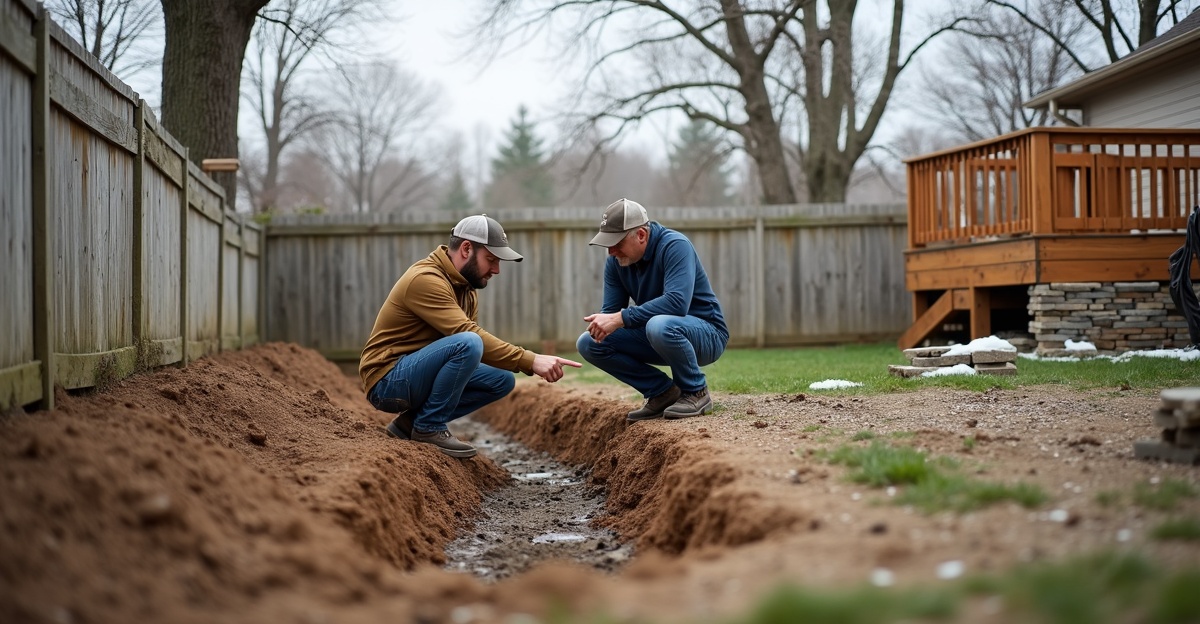
A well-planned backyard renovation checklist gives us clarity from day one. It helps us shape how the yard should function, build a practical budget, and avoid expensive changes once construction starts. We focus on drainage, materials that handle Minnesota’s freeze-thaw cycles, permit requirements, and strong contractor communication. That approach creates outdoor spaces that perform for years, not spaces that simply look good on installation day.
Key Takeaways
- Define the top three priorities for how we want the yard to function before we design layouts or choose materials.
- Set a realistic budget range early, and include a 10–20% contingency to cover site conditions and unexpected issues.
- Evaluate grading, soil type, drainage flow, and underground utilities before we finalize plans to prevent costly corrections later.
- Select materials and base preparation methods that withstand freeze-thaw cycles and deliver long-term durability.
- Confirm permits, HOA requirements, project timelines, and contractor communication details before construction begins.
Start With a Clear Plan: Define How You Want the Yard to Work
Strong results begin with a clear plan. Every successful backyard renovation planning checklist starts by defining how the yard should function day to day, not just how it should look.
We first identify primary uses. That might mean space for entertaining, a quiet retreat, a kids’ play area, a pet-friendly zone, or correcting drainage issues. Many projects combine two or three of these goals. In Shakopee and across Scott and Carver Counties, we often meet homeowners who start planning after noticing pooling water near the foundation during spring thaw or feeling frustrated with a sloped backyard that limits usable space.
Before sketching layouts, we narrow down the top three priorities. Examples we regularly see:
- Fix standing water after snowmelt
- Add a paver patio seating 8–10 people
- Build a retaining wall to level the yard
Clear priorities prevent scope creep. Without them, changes mid-project can lead to higher costs and schedule delays.
Long-term use matters just as much as current needs. We think about aging in place, reducing maintenance, or leaving room for a future pool or home addition. That perspective shapes layout, elevations, and utility planning from the start.
Traffic flow is another big factor in how to plan a backyard remodel. We evaluate:
- How we move from the house to the yard
- Where the grill should sit in relation to doors and prep areas
- Access for garbage and recycling
- Sightlines and privacy from neighbors
Utilities must be considered early, not after pavers are installed. Irrigation lines, gas lines for fire features, and electrical for lighting all affect excavation and base work. Planning them up front avoids tearing into finished surfaces later.
For homeowners who want deeper insight, we often recommend reviewing our guide on how to design an outdoor living space as part of an outdoor living space planning guide. Solid planning makes every later decision easier, from patio and retaining wall planning to final finishes.
Set a Realistic Budget Range Before You Design
Budget should guide design, not the other way around. Backyard renovation budget planning works best when we establish a comfortable investment range early.
We break projects into categories:
- Design
- Materials
- Labor
- Site prep and base work
- Drainage solutions
- Contingency (we recommend a 10–20% buffer for unforeseen site conditions)
Excavation depth, base preparation, access to the backyard, and soil conditions often impact cost more than square footage alone. Site complexity frequently drives budget more than size.
In Minnesota, proper base preparation and drainage planning aren’t optional upgrades. They are foundational to durability. Cutting corners there usually means repairs later.
Phasing can make sense for many families. For example, we might complete grading and a patio in year one, then add an outdoor kitchen or pergola later. Spreading work out keeps momentum going without overextending the budget.
As part of any hardscape project checklist or broader landscape construction planning effort, we focus less on chasing the lowest bid and more on long-term value. A lower upfront number rarely reflects the full cost of ownership over time.
Evaluate Site Conditions and Drainage Before Final Plans
Site evaluation should happen before materials are selected. Improper drainage is one of the most common and costly mistakes we see in Minnesota backyard renovation tips.
We walk the property after heavy rain whenever possible. We look for where water flows during storms or snowmelt. Low spots, erosion areas, and downspout discharge locations tell us a lot.
Clay soils are common in Scott and Dakota Counties. Clay holds water and drains slowly, as outlined in Michigan State University Extension guidance on clay soil drainage characteristics. That affects grading strategy, base thickness, and subsurface preparation. Ignoring soil type leads to settling, shifting, and ongoing moisture problems.
Freeze-thaw cycles add another layer of complexity. Minnesota frost depth requirements for residential construction and properly compacted base material under patios and retaining walls are critical in our climate. Without adequate depth and compaction, surfaces move.
We also confirm property lines, setbacks, easements, and underground utilities before excavation. Early verification prevents costly adjustments later.
Drainage planning for the yard may include:
- Regrading for positive slope away from the house
- Drain tile installation
- Channel drains across hardscape surfaces
- Dry creek beds for surface flow control
- Retaining walls with proper backfill and drainage stone
For homeowners exploring a backyard renovation Shakopee MN project, correcting drainage often becomes the foundation for everything else. Once water flow is controlled, we can build confidently on top of it.
Choose Durable Materials That Handle Minnesota Weather
Material selection should match climate realities. In Minnesota, freeze-thaw cycles and heavy snow loads test every surface.
For patios and walls, we regularly compare concrete pavers, natural stone, poured concrete, and segmental retaining wall block. Each option has strengths. The right choice depends on site conditions, appearance goals, and maintenance expectations.
Pavers and wall systems perform well when installed over properly prepared base with adequate depth and strong edge restraint. Without that foundation, even quality materials can shift or settle.
Slip resistance matters in winter and shaded areas. We consider surface texture and drainage patterns to reduce ice buildup.
Maintenance expectations also need to be clarified. Pavers may require sealing and occasional joint sand replenishment. Natural stone may need cleaning over time. Plant beds require seasonal care. Selecting materials based solely on trends often leads to long-term frustration.
As part of any patio and retaining wall planning process, durability and craftsmanship matter more than speed. Quick installation without proper base, compaction, and drainage preparation simply doesn’t last.
For broader inspiration, homeowners can explore our outdoor living blog for practical ideas grounded in Midwest conditions.
Understand Permits, HOA Rules, and Construction Timelines
Projects move smoother when expectations are clear from the start. Permit requirements vary by city, which is why we review City of Shakopee building permit and inspection requirements before finalizing scope. Patios, retaining walls above certain heights, drainage changes, and structures often need approval.
HOA guidelines in Shakopee and surrounding Hennepin and Carver County communities may also affect layout, materials, and height limits. Reviewing those details early avoids costly redesigns.
Minnesota’s construction window typically runs late spring through fall. Spring and early summer schedules fill quickly. Design time, material lead times, and weather delays all factor into realistic timelines.
Access planning is just as important as design. We look at equipment paths, material staging areas, and how construction traffic will move through the yard.
As a local landscape contractor Shakopee homeowners trust, we’ve found that clear communication about schedule and process reduces stress for families and neighbors alike. We outline what to expect week by week so there are no surprises.
Prepare to Hire and Communicate With the Right Contractor
Clear communication makes or breaks a project. Before consultations, we encourage homeowners to prepare a short list of questions:
- How do you handle base preparation and drainage?
- What does your proposal include and exclude?
- What is the estimated start window and project duration?
- What warranties do you offer on workmanship and materials?
Request a detailed written scope. It should outline excavation depth, base material, compaction process, drainage components, and cleanup.
Clarify who the point of contact will be and how often updates are provided. Discuss how change orders are handled. Confirm insurance and licensing where required.
Preparation on the homeowner’s side also helps. Relocate patio furniture, protect pets, discuss access with neighbors, and pause affected irrigation zones before construction begins.
For clients who want full coordination from concept through completion, we provide full project management so every phase is aligned.
Backyard Renovation Planning Checklist Recap
- Define top three priorities and long-term goals
- Evaluate drainage, grading, and soil conditions
- Establish a realistic budget with a 10–20% contingency
- Consider phased construction if needed
- Select materials suited for freeze-thaw conditions
- Verify permits, HOA rules, and property lines
- Plan utilities early (gas, electric, irrigation)
- Confirm scope details, communication process, and warranties
Thoughtful planning leads to better results, fewer surprises, and long-term performance. For homeowners who would like practical input specific to their yard, we’re always open to a straightforward conversation through our contact page. We’ll walk the property together, discuss goals, and outline what makes sense without pressure.
Frequently Asked Questions
A backyard renovation planning checklist should cover layout goals, drainage evaluation, soil conditions, utilities, material selection, budget range, permits, and contractor communication. It should also include a contingency fund of 10–20% for unexpected site issues. Addressing grading, access, and long-term maintenance early helps prevent costly changes during construction.
Start by setting a realistic investment range before designing the space. Include costs for design, materials, labor, excavation, base preparation, drainage solutions, and a contingency reserve. Site conditions like clay soil, slope, and limited equipment access often impact pricing more than square footage. Planning for phased construction can make larger projects more manageable.
The best time to start planning is late fall through early spring. Designing during the off-season allows time for permits, material selections, and contractor scheduling before peak construction months. Minnesota’s build season typically runs from late spring through fall, and schedules fill quickly once frost leaves the ground.
Drainage is critical because poor water management leads to settling, erosion, and foundation damage. Evaluating grading, downspout discharge, and soil type before finalizing plans ensures surfaces remain stable. In freeze-thaw climates, trapped moisture expands and contracts — a process explained in frost heave and freeze-thaw soil movement research — which can shift patios and retaining walls if base preparation and slope are inadequate.
Choose materials rated for freeze-thaw durability and ensure they are installed over a properly compacted base. Concrete pavers, natural stone, and segmental wall systems perform well when built with sufficient depth and drainage support. Slip resistance and maintenance requirements should also be considered to ensure long-term performance in snow and ice conditions.