

Outdoor Kitchen Planning Guide
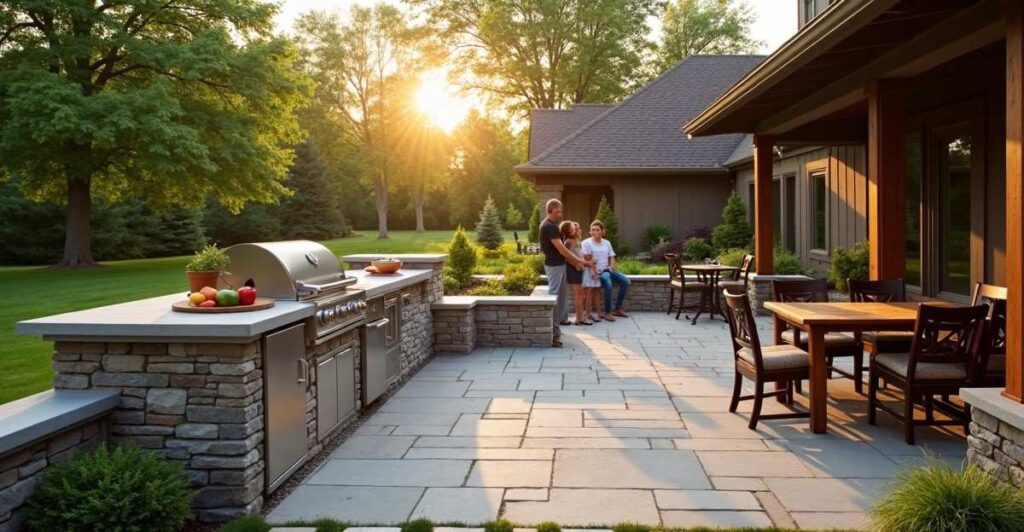
Outdoor kitchen planning starts by creating a functional layout with a “work triangle” between the grill, sink, and prep areas. Make sure there is enough counter space about 18-24 inches on each side of the grill, for safe and easy food preparation. Place the grill away from high-traffic areas, choose durable materials like stone or granite, and include essential storage to keep tools and cooking supplies organized.
For homeowners who want a well-designed outdoor cooking area, Outdoor Oasis offers expert guidance and quality solutions to help bring a functional and beautiful outdoor kitchen to life.
Why Does Outdoor Kitchen Planning Matters?
Good outdoor kitchen planning helps you build a space that works well for cooking and relaxing. When you plan early, you make better choices about layout, materials, and features. A clear plan also helps you avoid stress during the project. Many homeowners use an outdoor kitchen planning guide to stay organized and make smart decisions before building begins.
Save Money with Smart Planning
Careful outdoor kitchen planning helps control your budget. When you plan first, you know what features you truly need. This prevents buying items that may not fit your space or cooking style.
A clear plan also helps you avoid costly changes later. Moving appliances, gas lines, or counters after installation can be expensive. When you take time for planning an outdoor kitchen, you reduce these risks and keep your project on track.
Create a Better Layout
A good layout makes cooking easier and more enjoyable. When you focus on outdoor kitchen planning, you can place each feature in the right spot. The grill, sink, and prep area should be close enough to work well together.
A smart layout also improves traffic flow. Guests can move around without getting in the way of cooking areas. When homeowners spend time planning outdoor kitchen spaces, the final design feels natural and easy to use.
Avoid Design Mistakes
Skipping the planning stage often leads to problems. Some kitchens end up with little counter space or poor appliance placement. These mistakes can make cooking outside harder than expected.
Strong outdoor kitchen planning helps prevent these issues. You can measure your yard, check utilities, and choose the right materials before construction begins. This step makes the project smoother and more successful.
Improve Your Outdoor Living Space
A well-planned kitchen adds more comfort to your backyard. Cooking outside becomes easier, and family gatherings feel more relaxed. Guests can talk, eat, and enjoy the space together.
When your kitchen fits into your overall outdoor living design, the backyard feels more complete. Seating, lighting, and cooking areas work together to create a welcoming place for everyday use and special occasions.
First Steps in Outdoor Kitchen Planning
Outdoor kitchen planning begins with a few simple steps. A clear plan helps you create a space that works well for cooking, relaxing, and gathering with others. When you think about your goals, space, and budget early, the project becomes easier and more organized. Many homeowners follow an outdoor kitchen planning guide to help them start with the right ideas and avoid confusion.
Define Your Outdoor Cooking Goals
Start by thinking about how you want to use the kitchen. Some families want a simple place for daily meals and weekend grilling. Others want a larger space for parties and gatherings.
Family use is often the main goal. A well-planned kitchen allows everyone to cook, eat, and spend time together outside. When planning an outdoor kitchen, think about the types of meals you like to prepare and the appliances you may need.
Measure Your Backyard Space
Next, measure the area where you plan to build. Knowing your available space helps you choose the right layout and avoid crowding the area.
Many homeowners begin planning outdoor kitchen layouts by sketching the space and marking where key features may go. This simple step helps ensure the kitchen fits well within your yard and blends with your design outdoor living space.
Set Your Budget
Setting a clear budget helps guide your decisions. It helps you choose appliances, materials, and features that match your needs and spending plan.
A realistic budget also prevents costly changes later. When your plan and budget work together, outdoor kitchen planning becomes smoother and more successful.
Step-by-Step Guide for Outdoor Kitchen Planning
A clear plan makes building an outdoor kitchen easier. Good outdoor kitchen planning helps you create a space that works well for cooking, relaxing, and gathering with others. Following a simple checklist keeps the project organized from start to finish. Many homeowners begin with a basic outdoor kitchen planning guide to help them understand each step before building.
Simple Outdoor Kitchen Planning Checklist
Use these steps to guide your project.
1. Measure the Space
Start by measuring the area where you want the kitchen. Make sure there is enough room for cooking, walking paths, and seating.
2. Choose the Best Location
Pick a spot that is close to your home but still safe for cooking. Leave space for smoke to move away from guests.
3. Decide Your Layout
Choose a layout that fits your yard. Straight, L-shaped, or island layouts are common when planning outdoor kitchen spaces.
4. Plan the Cooking Area
Decide where the grill and prep counters will go. Keep cooking zones close together so food preparation feels simple.
5. Select Appliances
Think about what you need. Some homeowners want a grill, sink, and refrigerator. Others add pizza ovens or side burners.
6. Plan Utilities
Check where gas, water, and electricity may be needed. Proper utility planning helps the kitchen function safely.
7. Choose Strong Materials
Outdoor kitchens need durable materials. Stone, stainless steel, and weather-resistant surfaces last longer outdoors.
8. Add Storage Space
Include cabinets or drawers to hold tools, utensils, and cooking supplies.
9. Create Seating and Dining Areas
Plan space for outdoor kitchens and dining areas so guests can relax nearby while food is prepared.
10. Review the Full Plan
Look over your design before building begins. Careful planning an outdoor kitchen helps prevent mistakes and keeps the project running smoothly.
Choosing the Best Location for Your Outdoor Kitchen
The location of your kitchen is one of the most important parts of outdoor kitchen planning. The right spot makes cooking easier and keeps the space safe and comfortable. A good location also helps your outdoor kitchen connect well with the rest of your backyard. Many homeowners review a simple outdoor kitchen planning guide before choosing where to place their cooking area.
Distance from the House
Place the kitchen close enough to the house for easy access. A short distance makes it simple to carry food, dishes, and supplies outside. Most homeowners prefer the kitchen to be within a short walk of the indoor kitchen.
However, avoid placing the grill too close to doors or windows. Smoke and heat can enter the home if the grill sits too near the house. When planning an outdoor kitchen, balance convenience with comfort.
Consider Wind Direction
Wind plays a big role in outdoor cooking. Strong wind can push smoke toward seating areas or the house. It can also make grilling more difficult.
When planning outdoor kitchen layouts, observe how wind moves through your yard. Try to place the grill where smoke can move away from guests and living areas.
Think About Shade and Sun
Sunlight affects comfort while cooking. A kitchen placed in direct sun can become very hot during the day. Adding shade helps make the space more enjoyable.
Some homeowners add pergolas, umbrellas, or covered patios. These features can also match the surrounding hardscape construction and create a more comfortable outdoor space.
Keep Safety in Mind
Safety should guide every location choice. Leave enough space around the grill and cooking areas. This helps prevent accidents and allows people to move around safely.
Keep cooking areas away from high-traffic walkways and play areas. During outdoor kitchen planning, a safe layout helps protect family members and guests while making the space easier to use.
Typical Costs & Tips
The cost of building an outdoor kitchen can vary based on size, materials, and features. Good outdoor kitchen planning helps homeowners control spending and choose the right design for their space. When you plan carefully, you can build a kitchen that fits both your lifestyle and your budget.
Many homeowners review a simple outdoor kitchen planning guide before starting their project. This helps them understand what features they need and how much they may spend.
Typical Outdoor Kitchen Cost Range
Outdoor kitchens can range from simple setups to full outdoor cooking areas.
- Basic outdoor kitchen: $8,000 – $16,000
This usually includes a grill, small counter space, and simple storage. - Mid-range outdoor kitchen: $16,000 – $35,000
These kitchens often include larger counters, sinks, storage cabinets, and improved materials. - Luxury outdoor kitchen: $35,000 or more
High-end kitchens may include pizza ovens, refrigerators, bar seating, and covered structures.
The final cost depends on materials, appliances, and the overall layout.
Smart Budget Tips for Outdoor Kitchen Planning
A few simple tips can help homeowners manage costs while planning an outdoor kitchen.
- Start with the most important features first.
- Choose strong materials that last outdoors.
- Plan the layout carefully to avoid costly changes later.
- Leave room for future upgrades if needed.
Plan Before You Build
Careful planning outdoor kitchen designs helps prevent mistakes and extra expenses. Sketch your layout or mark the space in your yard before construction begins. This helps you see how people will move through the cooking area.
Looking at completed projects can also help you understand what works well. Many homeowners explore our gallery to see outdoor kitchen ideas and gather inspiration for their own backyard design.
Understanding the Outdoor Kitchen Work Triangle
The work triangle is a simple layout idea used in outdoor kitchen planning. It connects the three main work areas: the grill, the sink, and the prep space. When these areas sit close to each other, cooking becomes faster, safer, and more comfortable. Many homeowners learn about this layout in an outdoor kitchen planning guide before starting their project.
The Three Key Areas
A good work triangle keeps the main cooking tasks within easy reach.
- Grill: The grill is the center of the cooking area. It is where most meals are prepared. Place it where smoke can move away from guests and seating areas.
- Sink: The sink helps with washing hands, rinsing food, and cleaning tools. When planning an outdoor kitchen, placing the sink near the prep area improves convenience.
- Prep Area: The prep space gives you room to cut, season, and prepare food. A wide counter near the grill helps keep cooking smooth and organized.
Why Does the Work Triangle Improve Efficiency?
A good triangle layout supports an easy cooking flow. When planning outdoor kitchen designs, placing these three areas close together reduces extra movement.
Benefits of the work triangle include:
- Faster food preparation
- Easier movement while cooking
- Better organization of cooking tools
- Safer cooking space with fewer obstacles
Safety and Smooth Cooking Workflow
The work triangle also improves safety. Clear space between the grill, sink, and prep area helps prevent crowding while cooking.
Homeowners often choose professionals who offer full project management to design a layout that works well. With careful planning, the work triangle helps create a kitchen that feels simple, safe, and easy to use.
Why Work With Outdoor Kitchen Experts?
Building an outdoor kitchen takes planning and experience. Good outdoor kitchen planning helps create a space that works well for cooking, relaxing, and hosting guests. Working with professionals helps homeowners avoid mistakes and build a kitchen that lasts for many years.
Companies like Outdoor Oasis help homeowners design outdoor spaces that match their lifestyle. Their team understands how to combine beauty, comfort, and function in one outdoor space.
Professional Design
Experts know how to design kitchens that work well in real outdoor spaces. They study your yard, layout, and lifestyle before creating a plan.
A professional team can guide you through planning an outdoor kitchen so every feature fits your space. This includes placing cooking areas, seating, and storage in the right locations.
Proper Installation
Outdoor kitchens require careful construction. Appliances, surfaces, and utilities must be installed correctly for safety and long-term use.
Professionals follow a clear outdoor kitchen planning guide to ensure each part of the project is installed properly. This helps prevent problems such as uneven surfaces or poor drainage.
Durable Materials
Outdoor kitchens face sun, rain, and changing temperatures. Experts choose materials that can handle these conditions.
During the process of planning outdoor kitchen projects, professionals recommend strong materials like stone, stainless steel, and weather-resistant surfaces that last longer outdoors.
Custom Layouts That Fit Your Space
Every backyard is different. A custom layout ensures the kitchen fits the yard and supports how you cook and entertain.
Professionals can also connect the kitchen with patios and outdoor kitchens dining areas to create a complete backyard space. This makes the area more comfortable for family meals and gatherings.
Local Experience and Service
Working with a local company also means better support and communication. Homeowners can easily review our service areas to confirm availability and discuss project ideas.
If you want to start your project, you can also contact us to schedule a consultation and learn how professional design can improve your outdoor space.
Frequently Asked Questions
Most outdoor kitchens need at least 100 to 200 square feet. This space allows room for the grill, prep counters, and safe walking areas.
The best layout depends on your yard size and cooking needs. Common layouts include straight-line, L-shaped, and island designs for better cooking flow.
An outdoor kitchen should be close enough for easy access but far enough to prevent smoke from entering the home. Many homeowners place it 10–20 feet away.
Durable materials like stainless steel, natural stone, and granite work well outdoors. These materials resist weather, heat, and moisture.
Yes. A well-designed outdoor kitchen can improve outdoor living space and increase property value by making the backyard more functional and attractive.