

Snow Removal Tips to Protect Your Driveway and Walkways
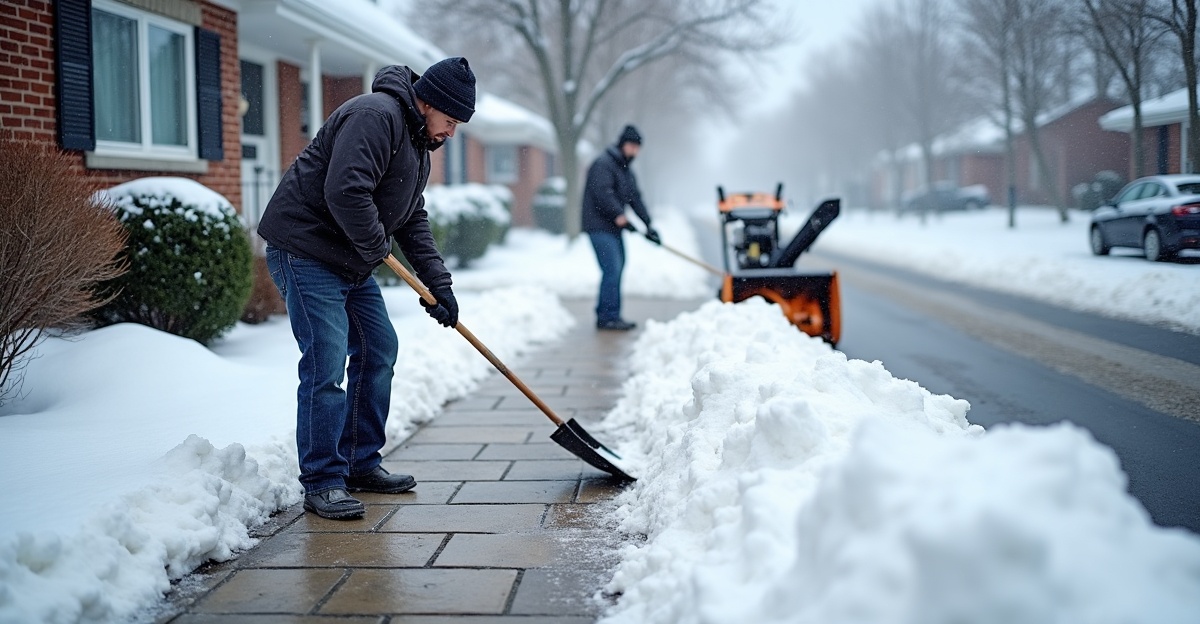
Snow removal works best with early clearing, surface-safe tools, and controlled de-icer use. These steps prevent packed snow, ice buildup, and damage to driveways and walkways. We also keep drainage paths clear and place snow piles with care. This reduces refreezing near entrances, garage aprons, and main walking routes.
Key Takeaways
- Clear fresh snow in manageable layers before foot traffic or vehicle tires compress it into packed snow or ice.
- Use plastic or poly shovels on sensitive surfaces. Set snowblower skid shoes high enough to protect pavers, decorative concrete, stone, and uneven areas.
- Remove loose snow before applying the minimum effective amount of de-icer to bonded ice. Then clear loosened slush before it freezes again.
- Keep snow piles clear of downspouts, swales, drainage routes, entrances, sightlines, and emergency access areas.
- Prioritize entrances, busy paths, and accessible routes. Consider professional service if heavy snowfall, recurring ice, or a large property makes reliable clearing difficult.
Clear Fresh Snow Early to Prevent Packed Ice
The safest approach is to clear snow early, work in manageable layers, use surface-appropriate tools, apply de-icer sparingly when needed, and keep meltwater pathways open. These snow removal tips help protect driveways and walkways while making winter access safer.
Fresh snow is usually the easiest material to remove. Packed snow needs more effort because foot traffic, vehicle tires, and changing temperatures compress it into a dense layer. Ice requires a different approach again: remove loose snow first, use a de-icer only where ice remains bonded to the surface, then clear the resulting slush before it refreezes.
During a heavy, wet snowfall, we recommend clearing several inches at a time instead of waiting for the full accumulation. This reduces strain, keeps shovels and equipment moving efficiently, and limits the chance that the lower layer becomes packed snow or ice.
Push snow whenever possible rather than lifting every load. Start at entrances and primary walking routes, then work outward to the driveway and less-used areas. Make one final pass before regular foot traffic begins. That simple step can prevent a thin layer of snow from becoming a slick, compacted surface.
Shakopee-area winters can change quickly. Scott, Carver, Dakota, and Hennepin County communities often see heavy wet snow, rapid temperature swings, repeated freeze-thaw cycles, and ice after daytime melting. Consistent driveway snow removal is usually easier than trying to correct a hardened surface after a storm has passed.
Choose Tools and Equipment That Protect Finished Surfaces
Tool choice matters as much as timing. Plastic or poly shovels work well on many finished driveways, walkways, patios, and decorative hardscapes. Their softer edges are less likely to scratch, chip, or catch on finished surfaces than aggressive metal shovel edges.
Good technique also protects people and property. Keep loads light, bend at the knees, push before lifting, and take breaks during heavy wet snow. Footwear with dependable traction helps prevent falls, especially near garage aprons, steps, and shaded walkways.
Snowblowers can save considerable time, but the setup needs to match the surface. Adjust skid shoes so the scraper bar does not ride too low on pavers, decorative concrete, natural stone, or uneven pavement. Don’t force a machine through bonded ice, operate too close to obstacles, or run the scraper bar aggressively against finished surfaces.
Plow blades and snowblower bars can catch paver edges, turf borders, retaining-wall corners, landscape edging, and uneven transitions between pavement materials. A little clearance around these features prevents costly spring repairs. For new patios, walkways, and other durable outdoor surfaces, our hardscape construction services focus on long-term performance through Minnesota weather.
Keep children and pets clear while equipment is running. Treated areas also need time and attention, since de-icers and traction products can be irritating if tracked indoors or contacted repeatedly.
Match Your Snow Removal Method to Driveway and Walkway Materials
Concrete, asphalt, pavers, natural stone, and decorative surfaces respond differently to shovels, plow blades, salt, and freeze-thaw conditions. Treating every surface the same can create avoidable damage.
Concrete benefits from a conservative approach. Avoid aggressive metal edges and excessive de-icer use. Newer concrete and concrete with existing cracks, scaling, or surface wear can be especially vulnerable during freeze-thaw cycles.
Asphalt generally handles snow removal well, but plastic-edged tools are a smart choice where practical. Avoid digging into soft spots, broken edges, or existing damage. Watch salt runoff near lawn edges, since repeated exposure can affect soil and turf.
Pavers need extra care at joints and edges. Use a shovel or snowblower setup that limits direct contact with the paver surface. Avoid catching raised edges or dislodging joint material. Natural stone and decorative hardscape products vary in porosity and finish, so follow the material supplier’s care guidance and use conservative tools and products.
Look beyond the driveway and walkway while clearing. Retaining walls, landscape beds, turf edges, downspouts, swales, and drainage routes all need protection. Piling snow against these features or scraping too closely can lead to spring cleanup and repair work that careful snow clearing tips could have prevented.
Manage Packed Snow and Ice With the Right De-Icer and Traction Product
De-icers are useful for loosening bonded ice, but they are not a replacement for shoveling. Loose snow should come off first. Applying product over several inches of snow wastes material and can leave slush behind that freezes again overnight.
Use the minimum effective amount and follow the product label directions. Once the ice loosens, break it up carefully, remove the slush, and sweep up excess product when conditions allow. This keeps materials from being tracked into homes and reduces unnecessary exposure around plants, pets, and hardscapes.
Sodium chloride, commonly called rock salt, is widely available and economical. It can be harder on plants, soil, pets’ paws, and some hardscape surfaces. Calcium chloride generally works at lower temperatures, though it costs more and still needs limited, careful use. Magnesium chloride may have a lower impact in some situations, but it is not consequence-free and should always be applied according to the label.
Sand and similar traction products improve grip but do not melt ice. They can be useful on steps, shaded walks, and areas where immediate traction matters. Plan to clean them up after winter so they do not collect in joints, drains, or lawn edges.
We don’t recommend relying on labels that describe a product as universally pet-safe, concrete-safe, or eco-friendly. Any product can cause problems when overapplied or used improperly. The practical sequence is simple: shovel fresh snow, apply de-icer sparingly to remaining bonded ice, wait as directed, break up loosened ice, then remove slush to limit refreezing.
Keep Snow Piles, Meltwater, and Refreezing Away From Access Routes
Minnesota’s daytime thaw and overnight freeze pattern often creates the worst ice near entrances, garage approaches, and walkways. Snow piles can make the issue worse when they block drainage or direct meltwater across a walking route.
Keep snow away from downspouts, swales, curb lines, drainage paths, entrances, fire hydrants, mailboxes, driveway and intersection sightlines, accessible parking areas, and emergency exits. Place piles where they won’t block visibility, bury landscape beds unnecessarily, or send meltwater toward doors and primary paths.
After de-icer loosens ice, shovel slush away rather than leaving it to freeze in place. Open drainage routes wherever possible, especially at the low points of driveways and near garage doors. Blocked runoff can create recurring icy patches, even after an otherwise thorough clearing job.
Some refreeze issues point to a grading, drainage, or downspout concern rather than a snow removal problem alone. A clear plan for where snow and meltwater will go can prevent repeated trouble in the same location each winter.
Prioritize Safe Access and Know When Professional Residential Snow Removal Makes Sense
Property managers and small business owners should prioritize entrances, high-traffic walkways, accessible routes, parking access, and emergency exits after each snowfall or refreeze event. Where appropriate, documenting snow and ice service can support day-to-day safety and operational planning.
DIY clearing works well for many smaller properties, especially when fresh snow can be removed promptly. Professional residential snow removal becomes practical for larger or multiple areas, frequent travel, limited time, mobility limitations, absentee ownership, recurring refreeze concerns, and heavy snow events.
Professional service isn’t necessary for every property. Still, dependable service can protect finished surfaces, maintain safe access, and remove a major winter task when snow volume or scheduling becomes difficult. For dependable snow removal services, we provide hands-on support built around real Minnesota winter conditions.
For properties in Shakopee and surrounding Scott, Carver, Dakota, and Hennepin County communities, we’re available to discuss recurring ice, drainage, hardscape protection, or reliable seasonal clearing. Contact Outdoor Oasis for a straightforward conversation about what makes sense for the property.
Common Driveway and Walkway Snow Removal Questions
Answers for Safer Winter Maintenance
What is the best way to remove snow from a driveway without damaging it?
Clear snow early and in layers. Use a plastic or poly shovel where appropriate, avoid aggressive metal edges, and adjust snowblower settings to match the surface.
Can rock salt damage concrete or pavers?
Sodium chloride can be hard on some hardscape surfaces and may affect nearby plants, soil, and pets’ paws. Use the minimum effective amount and follow product directions.
Should we shovel before or after using ice melt?
Remove loose snow first. Apply ice melt sparingly to bonded snow or ice, then remove slush after the product has loosened it.
How do we keep a walkway from refreezing?
Keep drainage paths open, move slush away after ice loosens, avoid piling snow where meltwater crosses walking routes, and check entrance areas after daytime thawing.
Can a snowblower damage pavers or decorative concrete?
Yes. Damage can occur if the scraper bar rides too low or catches uneven edges. Adjust skid shoes to reduce direct contact and avoid forcing the machine through packed ice.
Where should snow be piled to avoid drainage problems?
Keep piles away from downspouts, swales, curb lines, drainage routes, entrances, fire hydrants, mailboxes, visibility areas, accessible parking areas, and emergency exits.