

What Types of Landscape Lighting Are Best for Backyards?
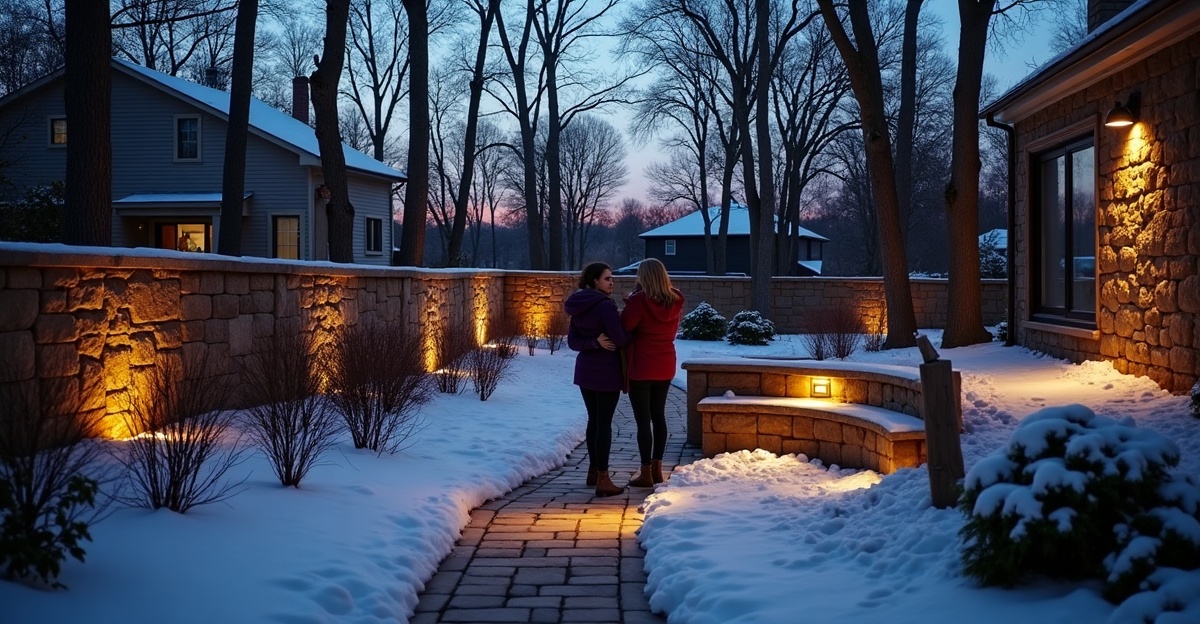
Understanding the different types of landscape lighting helps us choose solutions that match how we use our backyard, from safe winter walkways to relaxed evening gatherings on the patio. The best types of landscape lighting for backyards combine functional fixtures like pathway and step lights with aesthetic options such as uplighting, downlighting, and accent lighting, all planned with Minnesota’s climate and layout in mind.
Key Takeaways
- We start with clear goals by balancing functional lighting for safety and usability with aesthetic lighting that sets the mood and adds visual depth.
- Pathway, step, deck, and retaining wall lights improve safety around elevation changes, especially during Minnesota’s freeze-thaw cycles and long winters.
- Uplighting and downlighting add dimension by highlighting trees, stonework, patios, and seating areas without creating glare.
- Accent and security lighting provide visibility and focus without harsh floodlights or light spilling into neighboring properties.
- Low-voltage LED systems, proper burial depth, and climate-resistant materials deliver long-term durability and simpler maintenance.
Choosing the Right Types of Landscape Lighting Based on Your Backyard Goals
Selecting the right types of landscape lighting starts with a clear goal. Every backyard in Minnesota functions differently, and lighting should reflect that.
We separate lighting into two main categories: functional and aesthetic. Functional lighting improves safety and usability. Aesthetic lighting highlights features and creates mood. Most backyards in Shakopee and surrounding Scott, Carver, Dakota, and Hennepin Counties need a thoughtful mix of both.
Safety comes first. Long, dark winters and limited daylight mean we rely on outdoor lighting for months at a time. Steps, elevation changes, patios, and walkways need consistent illumination. Walkout basements and tiered retaining walls are common in our area. Without proper lighting, those transitions become hazards, especially during freeze-thaw cycles.
Entertaining is another priority. Minnesota’s outdoor season feels short. Quality lighting extends patio use beyond sunset and makes outdoor kitchens and seating areas more inviting. We build many spaces through our outdoor living services that are ready for evening use because the lighting was considered from the start.
Curb appeal and property value also matter. Strategic lighting can highlight mature trees, stone retaining walls, textured siding, and paver patios. It shows off craftsmanship. It frames the home after dark.
Security is about visibility, not brightness. Glare-heavy floodlights often create harsh shadows and disrupt neighbors. Instead, we focus on even coverage and proper shielding.
When reviewing outdoor lighting ideas backyard homeowners often overlook how layout plays a role. Wooded lots benefit from subtle uplighting. Suburban patios may need structured pathway and step lighting. The right backyard lighting styles depend on how the space is used every day.
Pathway Lighting MN: Safe, Practical Illumination for Walkways and Transitions
Pathway lighting MN refers to low-voltage fixtures placed along sidewalks, garden paths, and transitions between patio levels. These lights are practical first and decorative second.
They’re especially valuable for preventing trips on uneven pavers, icy walkways, and retaining wall steps during freeze-thaw cycles. Minnesota soil moves. Surfaces shift slightly over time. Lighting helps manage that reality.
For proper layout, spacing matters. We stagger fixtures rather than placing them directly across from each other. That reduces glare and creates a smoother flow of light along the path.
Installation details make a difference:
- Drive stakes deep enough to reduce frost heave.
- Avoid shallow placement that shifts with soil movement.
- Choose slightly taller fixtures so moderate snowfall doesn’t bury them.
- Use LED, low-voltage systems for lower energy use and long-term performance.
These systems integrate cleanly with paver patios and retaining wall steps, especially when planned during hardscape construction. Wiring stays concealed. Fixtures align with joint lines and transitions. The result looks intentional, not added as an afterthought.
Uplighting and Downlighting: Adding Depth, Dimension, and a Natural Look
Uplighting is installed at ground level and directed upward. It works well for highlighting mature trees, stone columns, textured siding, and retaining walls. On wooded lots, uplighting brings shape and structure to the landscape after dark.
Beam spread is critical. A narrow beam creates a dramatic highlight. A wider beam washes a broader surface. Glare control prevents that harsh “spotlight” look many homeowners dislike. We shield fixtures carefully and angle them to avoid shining into windows or across neighboring properties.
Downlighting achieves a different effect. Fixtures are mounted on structures, pergolas, or even trees to cast light downward. The result mimics natural moonlight. It’s ideal for patios and seating areas where a subtle glow feels more comfortable than bright overhead fixtures.
This combination illustrates the difference between aesthetic and functional lighting. Uplighting adds drama and visual depth. Downlighting provides gentle, usable light in gathering spaces. Together, they extend outdoor enjoyment during early sunsets in fall and winter.
We often incorporate these systems during our outdoor living design process so lighting, structure, and plantings work as one plan instead of separate layers.
Deck, Step, and Retaining Wall Lights: Built-In Safety Where Elevation Changes
Tiered backyards and walkout basements benefit greatly from built-in lighting. Deck, step, and retaining wall lights are installed directly into risers, seat walls, or capstones. They provide low-profile illumination exactly where feet land.
These fixtures prevent missteps during gatherings and reduce risk in icy conditions. Minnesota winters are hard on materials. Snow cover, moisture, and freeze-thaw expansion demand durable fixture construction. Powder-coated aluminum and solid brass hold up better than thin plastic housings.
Planning is key. During patio or retaining wall installation, we carve channels for wiring before surfaces are set. We leave access points where needed so future maintenance doesn’t require dismantling masonry. That level of planning keeps the system clean and serviceable for years.
Built-in lighting pairs well with outdoor kitchens and dining areas and creates a cohesive look. Instead of standalone fixtures scattered around the yard, lighting becomes part of the structure itself. That’s how cohesive backyard lighting styles are achieved.
Accent and Security Lighting: Highlight Features Without Overpowering the Yard
Accent lighting draws attention to focal points. Water features, specimen plants, outdoor fireplaces, and garden beds all benefit from selective highlights. Used sparingly, accent lights create contrast and visual depth.
For example, a softly illuminated fountain from our landscape water features collection can become a centerpiece at night. A stone fireplace from our landscape fire features line gains warmth and texture when gently lit from below.
Security lighting has a different purpose. It provides broader coverage in dark yard corners, near garages, and along property lines. The goal is visibility and peace of mind. We avoid harsh floodlighting that blinds neighbors or reflects off snow.
Glare control and proper angling make a significant difference. Shielded fixtures and careful placement eliminate hot spots and deep shadows.
Motion sensors and smart controls can be helpful upgrades. They’re practical, not mandatory. Some homeowners prefer simple timers. Others like app-based adjustments. Either approach works when the foundation of the system is solid.
Accent lighting builds atmosphere. Security lighting supports safety and awareness. A well-balanced system uses both without overpowering the yard.
Practical Considerations for Long-Term Performance in Minnesota’s Climate
Low-voltage systems are our standard for residential backyards. They’re safer, energy efficient, and flexible. Line-voltage systems have their place, but most landscape projects benefit from low-voltage LED technology.
LED fixtures last longer and require less maintenance than older halogen systems. Over time, that durability adds value. Cheaper fixtures often fail sooner, especially with ongoing moisture and temperature swings.
Wiring depth and protection matter in our climate. We bury lines properly and protect connections against water intrusion. Soil movement during freeze-thaw cycles can stress shallow or poorly installed systems.
Timers and smart controls help adjust for seasonal daylight shifts. What works in June won’t match December sunsets. A flexible control system keeps lighting consistent year-round.
Maintenance planning is just as important as installation. Accessible transformers, replaceable lenses, and corrosion-resistant materials simplify service years later.
Simple solar lights may work temporarily along a garden edge. Integrated systems tied to patios, retaining walls, and structures benefit from experienced planning. Lighting should support the hardscape, not compete with it.
There is no single best solution. The right types of landscape lighting depend on goals, layout, and long-term expectations. Every backyard is different. We approach each project through our landscape lighting services with that mindset and stand behind the work from consultation to final walkthrough.
For homeowners who want to see how these systems look in real Minnesota backyards, our project gallery shows finished spaces across the region. When the time comes to plan a system that fits the property, we’re ready to help through our contact page.