

How Much Does an Outdoor Kitchen Cost in Minnesota?
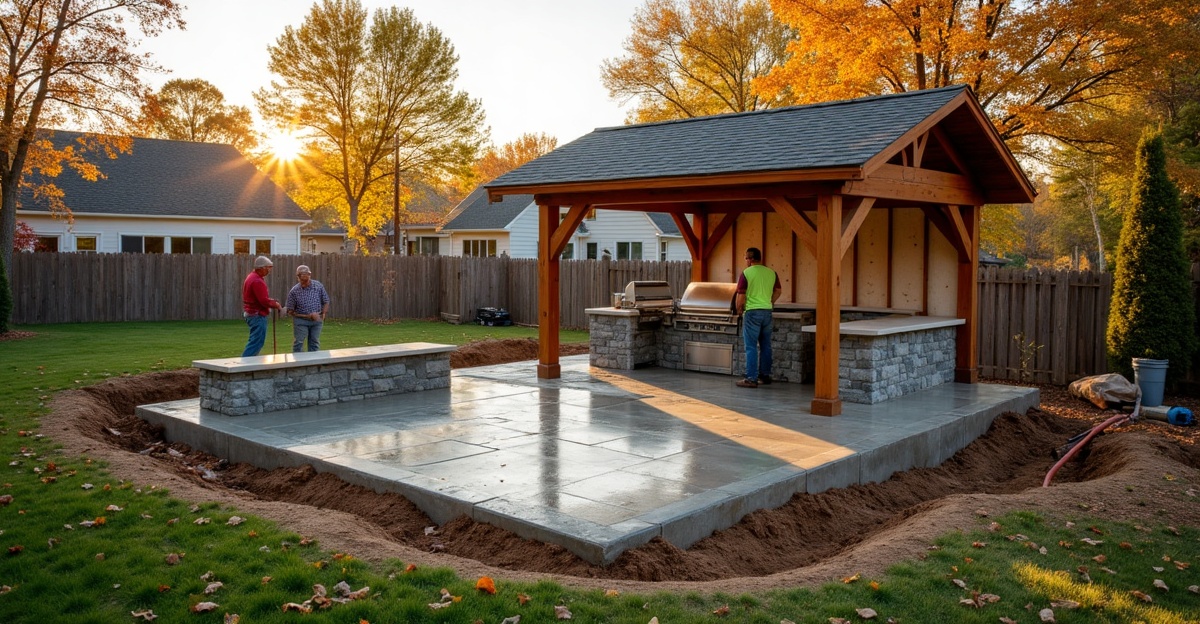
Outdoor kitchen cost Minnesota homeowners should plan for depends on project scope, utilities, frost footings, and local permitting rather than national averages. We see most projects in Scott, Carver, Dakota, and Hennepin County range from about $12,000 for a basic grill island to $75,000 or more for a covered, fully equipped outdoor living space built for freeze-thaw conditions.
Key Takeaways
- Basic grill islands typically cost $12,000 to $18,000, while mid-range kitchens with utilities run $20,000 to $35,000, and high-end covered spaces start around $40,000.
- Frost footings (42–60 inches deep), reinforced concrete, and proper base preparation are essential in Minnesota and directly impact cost.
- Utilities such as gas, electric, water, and drainage require licensed trades and inspections, adding significant infrastructure expense.
- Materials, appliances, roofing structures, and heating features drive price increases, especially in freeze-thaw conditions.
- Clear proposals should outline what is included—design, masonry, utilities—and clarify exclusions like patio expansions, landscaping, and permit fees.
What Most Minnesota Homeowners Spend on an Outdoor Kitchen
Outdoor kitchen cost Minnesota homeowners should expect depends heavily on scope, utilities, and structural requirements. National averages often miss key regional factors like frost footings and local permitting, which can lead to unrealistic expectations.
In our area, backyard kitchen pricing MN projects typically fall into three clear ranges.
- Basic grill island: $12,000–$18,000. This level usually includes a built-in grill, masonry base, concrete footing, and modest counter space. It often does not include refrigeration, roofing structures, or extensive gas and electrical work. For many families, this is a practical starting point that adds function without transforming the entire backyard.
- Mid-range outdoor kitchen with utilities: $20,000–$35,000. These spaces often include a built-in grill, refrigerator, expanded prep space, storage, and properly installed gas and electric lines. Most are integrated into an existing patio or built alongside a new one. At this level, the outdoor kitchen installation cost reflects real infrastructure behind the scenes, not just appliances and countertops.
- High-end covered outdoor living space: $40,000–$75,000+. These projects may include a grill, smoker or pizza oven, refrigeration, sink with water and drainage, upgraded stonework, and custom cabinetry. Many also feature a pavilion or roof structure, lighting, and heaters for Minnesota’s shoulder seasons.
These ranges reflect realistic pricing based on Minnesota labor costs, 42–60 inch frost footing requirements, and utility coordination and permitting in Scott, Carver, Dakota, and Hennepin Counties. Anyone quoting national averages without factoring in frost depth, winter conditions, and local inspections is leaving out a major piece of the picture.
What Drives Outdoor Kitchen Installation Cost in Minnesota
Several variables shape the final outdoor kitchen budget MN homeowners should plan for. Understanding these factors upfront helps avoid surprises later.
Key Cost Factors That Shape the Final Price
- Size and layout: A simple linear grill island costs less than an L-shape or U-shape design. Tying the kitchen into paver patios or retaining walls increases materials and labor but creates a cohesive result.
- Foundation and frost footings: Minnesota frost depth requirements often range from 42 to 60 inches. Proper base prep prevents shifting during freeze-thaw cycles. Masonry kitchens and roofed structures require reinforced concrete footings.
- Utilities: Trenching and running a gas line, installing dedicated electrical circuits for refrigeration and lighting, and adding water supply and drainage for sinks all add cost. Licensed plumbers and electricians must handle this work.
- Appliances and features: Entry-level built-in grills cost less than premium brands. Smokers, pizza ovens, side burners, and outdoor-rated refrigeration built for winter conditions increase the investment.
- Countertop and masonry materials: Natural stone, concrete, and porcelain all carry different price points and durability levels. Veneer stone costs less than full masonry but performs differently in freeze-thaw exposure.
- Roofing and structures: Pergolas and pavilions require footings, posts, and framing. Metal roofing, shingles, ceiling fans, recessed lighting, and heaters add electrical and structural scope.
- Permits and inspections: Local building permits, gas and electrical inspections, and county requirements all influence final pricing.
At Outdoor Oasis, we account for these variables during our outdoor living design process so the budget reflects the full scope from the start. Clear planning keeps the project grounded in reality.
Minnesota-Specific Cost Factors Homeowners Often Overlook
Outdoor kitchen cost Minnesota projects carry unique demands that homeowners sometimes underestimate.
Freeze-thaw cycles create constant expansion and contraction. Kitchens require proper drainage and grading, compacted base preparation under patios and cabinets, and materials rated for northern climates. Skipping these steps might reduce upfront cost but often leads to repairs within a few seasons.
Seasonal construction timelines also affect planning. Peak season runs from late spring through early fall. Frozen ground limits winter excavation and footing work. Scheduling early helps secure a spot during the ideal build window.
Winterization needs deserve attention as well. Water lines must be drained before freeze. Refrigeration and appliances require protection. Cabinetry may need covers or shelter if not beneath a roof structure. These practical steps protect long-term value.
Soil conditions in Shakopee and surrounding counties play a role. Clay-heavy soil can require additional base work and improved drainage solutions. Proper compaction and preparation under the kitchen and patio reduce settling and movement.
Ongoing maintenance matters. Natural stone may require resealing. Caulking and joints should be checked after winter. Long-term durability should guide decisions instead of chasing the lowest upfront number.
For homeowners throughout our service area, we walk through these climate-specific details clearly. A kitchen built for Minnesota conditions will last longer and perform better.
What Is Included in Outdoor Kitchen Pricing — and What Is Not
Many homeowners compare bids without understanding scope differences. Clear writing in the proposal makes all the difference.
Typically included in outdoor kitchen installation cost:
- Design consultation and layout planning
- Excavation and base preparation
- Masonry structure and countertops
- Installation of specified appliances
- Standard utility rough-ins, as defined in the proposal
Often not included unless clearly specified:
- Extensive patio expansions
- Landscaping or sod replacement
- Furniture and décor
- Upgraded appliance packages beyond allowances
- Permit fees in some cases
A detailed, written scope prevents surprise budget increases. It also ensures true apples-to-apples contractor comparisons. Transparent process builds trust and reduces stress.
We recommend reviewing proposals line by line. Confirm what appliances are included. Verify whether permit fees appear separately. Ask how drainage and frost footings are handled. Straight answers today prevent frustration later.
Homeowners exploring outdoor kitchens and dining areas should expect clarity. If the proposal feels vague, important elements may be missing.
How to Set a Realistic Outdoor Kitchen Budget MN Homeowners Feel Confident About
Strong planning starts with an honest look at investment comfort level.
Budgets under $20,000 work best for a durable, well-built grill island. Focus on proper footings, solid masonry, and quality installation. Keep features simple. Infrastructure comes first.
The $20,000–$40,000 range supports utilities, refrigeration, and expanded prep space. This level creates a complete cooking area that supports entertaining and daily use.
Budgets of $40,000 and above allow for an integrated outdoor living space with roof structure, lighting, and heating. These projects often connect to larger patios and gathering areas, creating a true extension of the home.
We always recommend prioritizing foundation, drainage, and utilities before specialty upgrades. It’s easier to add a pizza oven later than to correct shifting footings.
Kitchen plans should coordinate with existing patios, drainage improvements, and broader outdoor upgrades. A unified approach prevents rework and wasted investment. Our team handles both structural work and finish details through hardscape construction and full outdoor transformations.
Phased planning also works well. Build the structural base and run utilities now. Add features in future seasons. This approach spreads cost while protecting overall design integrity.
For homeowners in Shakopee and surrounding communities, we’re always willing to walk the space, review goals, and outline realistic pricing. We stay involved from consultation through final walkthrough. Anyone ready to take the next step can start a simple conversation through our contact page. Calm guidance and honest numbers help turn a good idea into a lasting outdoor space that fits the way we live.