

What Appliances Should You Include in an Outdoor Kitchen?
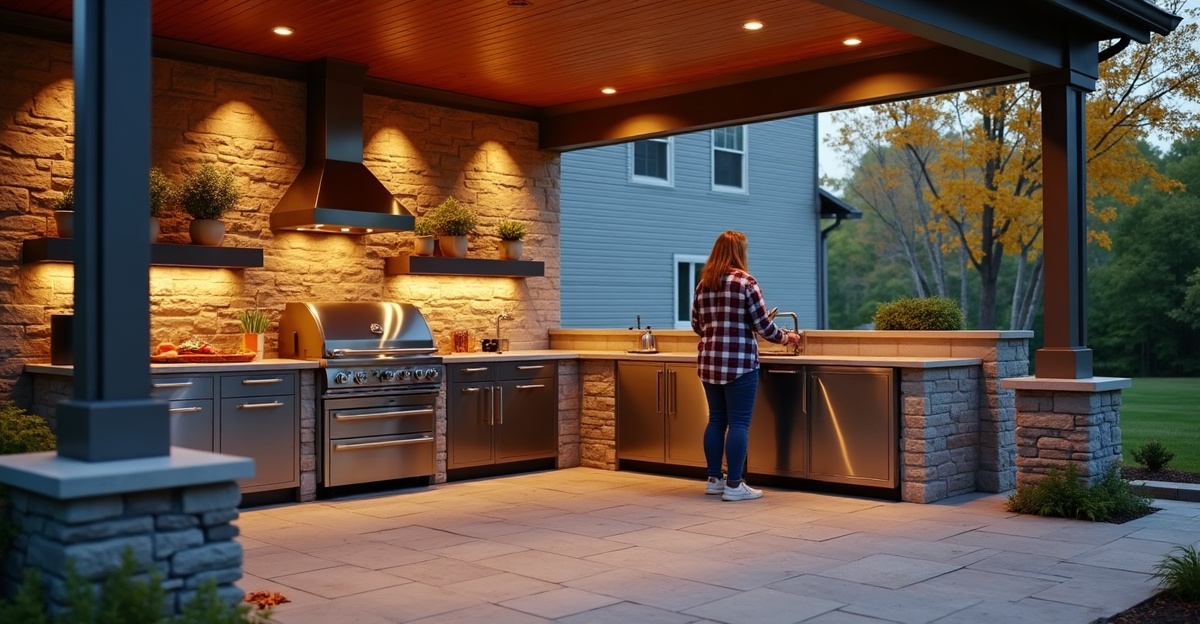
Choosing the right appliances starts with building a practical outdoor kitchen appliances list around how we actually cook, entertain, and maintain the space in Minnesota’s climate. A well-planned setup prioritizes a properly placed built-in grill, ventilation, refrigeration, storage, and utility coordination before we add specialty features or upgrades.
Key Takeaways
- Start with a built-in grill as the layout anchor, and plan fuel type, clearance, and landing space before we select other appliances.
- Include true outdoor-rated essentials such as a refrigerator, stainless storage, durable countertops, and proper ventilation for covered areas.
- Add optional features like side burners, pizza ovens, griddles, sinks, or beverage centers only if they match how often we will use them.
- Plan gas, electric, water, drainage, and structural support early to avoid costly retrofits and long-term performance issues.
- Choose materials and appliances rated for Minnesota’s freeze-thaw cycles, moisture, and snow load to protect durability and long-term value.
The Core Outdoor Kitchen Essentials Most Minnesota Homes Actually Need
Every solid outdoor kitchen starts with the right foundation. Before adding specialty features, we focus on a practical outdoor kitchen appliances list built around how the space will actually get used.
Built-In Grill: The Anchor of the Layout
The built-in grill drives almost every layout decision we make. It anchors the island, defines prep space, and influences traffic flow. Most outdoor grill setup ideas begin here.
Fuel choice depends on cooking style and long-term convenience. Natural gas offers steady supply and no tank swaps, but requires a dedicated gas line. Propane gives flexibility, though tanks need regular refilling. Pellet and charcoal grills work well for homeowners who value flavor and hands-on cooking.
Long-term fuel access matters. We often recommend running a permanent gas line during construction if natural gas is available. It costs more upfront but avoids years of tank handling.
Proper clearance is also critical. Grills need safe distances from siding, railings, and roof structures. Heat and flare-ups can damage finishes if spacing is ignored. We always plan the grill’s location first, then build the rest of the kitchen around it.
Vent Hood and Ventilation
Covered patios and porch structures require proper ventilation. Smoke and grease don’t disappear on their own. They collect on soffits, ceilings, and beams.
A vent hood protects framing and finishes while keeping the cooking area comfortable. We size hoods based on grill width and BTU output, matching the CFM rating accordingly. Undersized ventilation leads to lingering smoke and long-term staining.
Outdoor-rated ventilation systems also handle weather exposure better than adapted indoor units.
Beyond the grill and ventilation, several items fall squarely into the outdoor kitchen essentials category:
A functional outdoor kitchen appliances list should also include:
- An outdoor-rated refrigerator built for heat, humidity, and freeze-thaw cycles
- Stainless steel storage drawers or sealed cabinetry to protect tools and supplies
- Adequate counter space on both sides of the grill for food safety and workflow
Outdoor-rated refrigerators are essential. Indoor models aren’t built for Minnesota summers or winter swings. True outdoor units have reinforced insulation, stronger compressors, and materials that resist corrosion.
Storage matters just as much. We use stainless components with weather seals to reduce moisture intrusion. That cuts down on seasonal hauling and keeps everything ready when spring arrives.
Counter space often gets overlooked. We recommend landing space on both sides of the grill. Surfaces should be non-porous and freeze-thaw resistant. That supports safe food handling and real entertaining use, not just appearance.
For a closer look at layouts that integrate these essentials, we often reference our outdoor kitchens and dining areas projects.
Optional Add-Ons That Make Sense for the Right Space and Lifestyle
Upgrades can add convenience and enjoyment, but not every space needs every feature. We guide decisions based on how often the appliance will actually be used.
- Side burners work well for homeowners who cook full meals outside. Sauces and side dishes stay outdoors instead of running back inside.
- Pizza ovens, whether wood-fired or gas, require additional space and serious ventilation planning. They suit frequent entertainers or specialty cooking styles.
- Flat-top grills and griddles shine for breakfast, smash burgers, and large-batch meals. They also require grease management planning built into the island design.
- Kegerators and beverage centers are popular for gathering-focused homes. As with refrigerators, they must be outdoor-rated.
- Ice makers require both a water line and proper drainage. In seasonal climates like ours, they’re often underused compared to their cost and complexity.
- Outdoor sinks improve food prep and cleanup. However, they require buried water lines, correct drainage, and a clear winterization plan.
- Warming drawers have niche use. They make sense for large gatherings but aren’t essential for most families.
We avoid overbuilding. A thoughtful outdoor cooking equipment guide mindset keeps us focused on real habits, not trends. Choosing appliances based on frequency of use protects both budget and long-term satisfaction.
Climate-Specific Considerations for Minnesota Outdoor Kitchens
Minnesota weather affects every outdoor build. Shakopee and nearby Scott, Carver, Dakota, and Hennepin Counties see humidity, heavy snow, and freeze-thaw cycles that stress materials.
Winter shutdown planning is essential. Water lines must be blown out. Shutoff valves should remain accessible. Sinks need proper drainage slope to avoid trapped water.
Appliance covers and sealed cabinetry extend lifespan. Snow load around islands and vent stacks should also be considered during layout planning.
Freeze-thaw durability matters. We recommend higher-grade stainless steel that resists corrosion. Indoor appliances will rust and fail prematurely in this climate. Using true outdoor-rated products protects the investment.
Moisture control starts with proper patio slope. We design surfaces to move water away from structures and cabinetry. Poor drainage leads to standing water, shifting pavers, and long-term damage.
Covered patios need special attention. Ventilation reduces trapped moisture that can harm framing and ceiling finishes over time.
Good outdoor living design always accounts for regional weather. Material choice and installation details matter just as much as appliance selection.
Outdoor Grill Setup Ideas by Patio Size and Entertaining Style
Appliance choices influence layout, safety, and comfort. We plan zones carefully so cooking, prep, serving, and seating areas don’t compete for space.
Small patio setups often include a built-in grill, proper landing space, and storage. A compact outdoor refrigerator may fit if clearance allows. Traffic flow becomes a priority, especially near doorways.
Mid-size layouts typically add a refrigerator and sink. Some homeowners include a side burner or griddle. We define a prep zone separate from the seating area so guests don’t crowd the cook.
Full-scale backyard kitchens support multiple cooking surfaces. That might include a grill plus a pizza oven or flat-top. Bar seating, beverage centers, and expanded storage become realistic. Clear separation between cooking, prep, serving, and guest areas improves both safety and comfort.
Strong hardscape construction supports proper spacing and stable installation. Appliance weight, clearance distances, and counter overhangs must align with the structure below.
The best outdoor grill setup ideas prioritize long-term functionality. Appearance follows good planning.
Infrastructure and Utility Planning That Should Happen Before Appliance Selection
Utilities should be planned early. Retrofitting gas, electric, or water lines after the patio is complete adds cost and disruption.
Gas vs. propane is a major decision. Running a permanent natural gas line offers long-term ease. Propane requires space for tank storage and ongoing replacement.
Electrical planning includes dedicated circuits for refrigerators, beverage centers, and lighting. Outdoor outlets must be GFCI protected. Conduit routes should be mapped before pouring concrete or setting pavers.
Water lines for sinks or ice makers must be buried below frost depth in Minnesota. We install shutoffs with blow-out capability for winterization.
Covered patios need properly sized vent hoods and safe duct routing. Clearance from framing and roofing materials prevents heat damage.
Foundation preparation matters as well. Stone islands and appliances add significant weight. The base beneath must be compacted and structured to prevent shifting.
We often prevent common DIY miscalculations related to spacing, utilities, and code requirements through early coordination. Proper planning keeps the project on schedule and avoids costly corrections later.
Budget Framework: Matching Your Outdoor Kitchen Appliances List to Real-World Investment Levels
Clear priorities help align budget with long-term value. We break projects into practical tiers based on function.
Entry-Level Functional Setup
A setup consisting of a built-in grill, proper landing space, and storage. A compact outdoor refrigerator may be included if space allows. This level focuses on durability without unnecessary extras.
Mid-Range Build
Adds a refrigerator, sink, and possibly a side burner or griddle. Prep and serving areas expand. Utility coordination becomes more involved.
High-End Entertainer’s Kitchen
Includes multiple cooking stations, beverage centers, and specialty appliances. The patio footprint grows. Ventilation systems become more substantial. Gas, electric, and water planning increases in complexity.
We guide decisions based on usage, maintenance expectations, and seasonal realities. Thoughtful appliance selection protects the investment and prevents regret after the first year.
Homeowners who want to see real examples can browse our project gallery or start a practical conversation through our contact page. Careful planning always leads to better long-term performance and fewer surprises down the road.