

How Do You Plan an Outdoor Kitchen Layout?
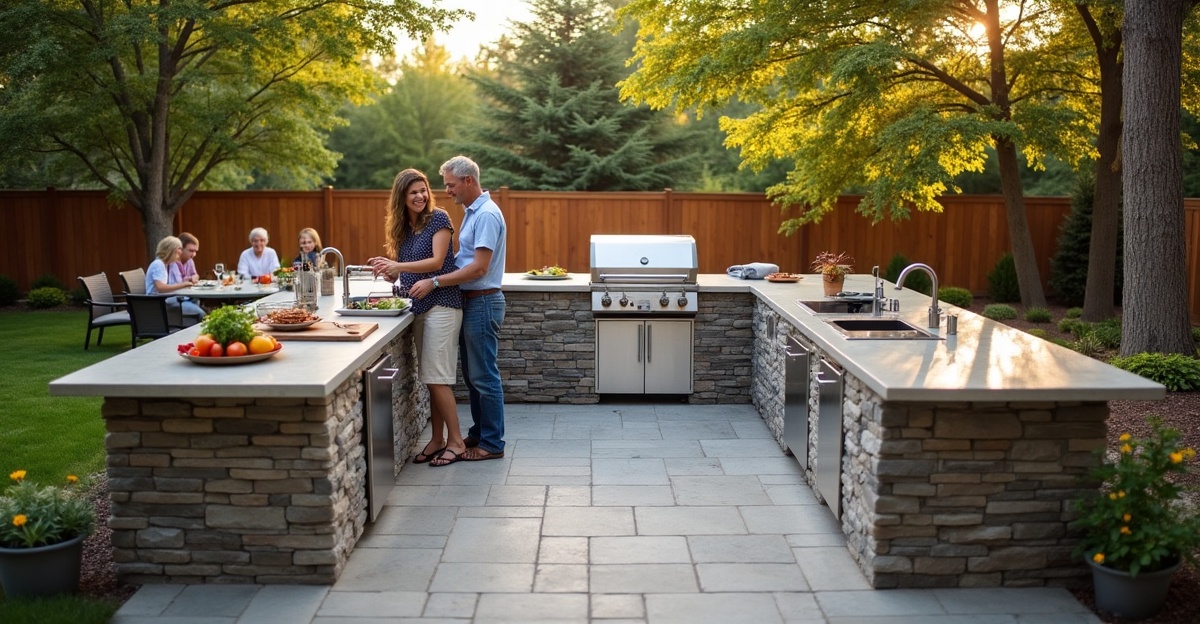
A successful outdoor kitchen layout begins with a clear plan that keeps every zone working together. We focus on organizing prep, cooking, serving, storage, and cleaning areas so they support smooth movement and keep guests clear of hot surfaces and sharp tools. A smart layout accounts for placement, utilities, Minnesota’s climate, and proper spacing so the space performs well for years and fits the way we cook and gather.
Key Takeaways
- Define five clear zones—prep, cooking, serving, storage, and cleaning—and arrange them to support smooth movement and safety.
- Choose a location that balances proximity to the home with proper ventilation, drainage, sun exposure, and local code requirements.
- Plan gas, electrical, water, and permit needs early to avoid costly changes and ensure long-term reliability.
- Select durable materials and properly built bases that withstand Minnesota’s freeze-thaw cycles.
- Maintain comfortable clearances and natural traffic flow so guests stay out of cooking zones and the space feels functional, not crowded.
Start With Function: Define Your Zones and Overall Flow
Strong outdoor kitchen planning starts with function. Layout decisions should support how we actually cook, serve, and gather outside, not just how the space looks in a photo.
We organize every outdoor kitchen around five practical zones: prep, cooking, serving, storage, and cleaning. When those zones are clearly defined, the space works well for both weeknight meals and larger get-togethers.
The prep zone belongs right next to the grill. Many homeowners undersize this area, and that leads to daily frustration. We recommend generous counter space on at least one side of the grill for trimming meat, setting trays, and plating food. Without it, we end up carrying hot pans across traffic paths.
The cooking zone usually centers on the grill, but it may also include a side burner, pizza oven, or smoker. We keep this area slightly recessed or separated from seating so guests don’t cross through it.
The serving zone should sit between the cooking area and dining space. That may be a bar-height counter, buffet surface, or pass-through ledge. It keeps movement organized during gatherings.
Storage works best when it’s located right where items are used. Grill tools belong under or next to the grill. Serving trays go closer to the dining space. Cleaning zones, including a sink and trash pull-out, should fall within a few steps of both prep and cooking surfaces.
We also adapt the classic work triangle for outdoor use. The grill, prep surface, and sink should sit a few steps apart without crossing guest traffic. We avoid long, narrow runs that force constant back-and-forth walking.
Clear walking paths matter just as much as appliances. Guests shouldn’t cut through the cooking zone to reach seating. Planning natural lanes around the kitchen reduces stress during hosting and improves safety.
Bigger isn’t always better. A well-organized 14-foot layout can outperform a sprawling setup with poor flow. Solid outdoor kitchen layout ideas focus on movement, spacing, and storage before adding features.
Anyone learning how to organize outdoor kitchen spaces should focus first on daily use. Hosting style, cooking habits, and family routines guide every choice. When we align layout with real-life use, the result stands up over time.
Choose the Right Location on Your Property
Location shapes everything. Utility access, safety, and comfort all depend on where the kitchen sits in the yard.
Proximity to the house plays a major role. A kitchen close to the back door makes it easier to move food, access indoor storage, and connect to utilities. It also improves year-round use during Minnesota winters. At the same time, we balance that convenience with ventilation and smoke direction.
Prevailing winds need careful attention. We position grills so smoke doesn’t blow into primary seating areas or back into the home through open windows. A small shift in orientation can make a noticeable difference.
Sun exposure affects comfort. Cooking during peak afternoon hours can feel intense on a south-facing patio. Shade structures help, but in Minnesota they must also handle snow load in winter. We design pergolas and roof systems with those seasonal demands in mind.
Proper drainage protects the investment. Water must move away from house foundations and away from the kitchen island. Poor grading leads to pooling, which causes freeze-thaw damage and shifting surfaces. We often integrate hardscape construction practices that prioritize base preparation and slope control.
Safety clearances around grills and combustibles are essential. We maintain appropriate distances from siding, deck railings, and overhead structures to reduce fire risk and meet code.
Local permitting also matters. In Scott, Carver, Dakota, and Hennepin Counties, setback requirements and utility regulations vary by city. Gas lines, permanent roofs, and plumbing additions often require permits. One-size-fits-all layouts simply don’t work, especially in Minnesota’s freeze-thaw climate and varied municipal codes.
Every property is different. We evaluate yard slope, access routes for materials, and how the kitchen connects with the broader outdoor living design before finalizing placement.
Plan Infrastructure Early: Utilities, Power, and Permits
Infrastructure decisions often determine layout flexibility more than aesthetics. We address utilities early in the outdoor kitchen planning process to avoid redesigns later.
Gas is the first major choice. Natural gas offers convenience and eliminates tank refills, but it may require trenching a line from the house. That impacts both budget and layout. Propane provides flexibility in location, yet it requires space for tank storage and access.
Electrical capacity is another key factor. Outdoor kitchens need GFCI-protected outlets rated for exterior use. Refrigeration, lighting, rotisserie motors, and sound systems all draw power. We confirm panel capacity before finalizing appliance selections.
Adding a sink changes the scope. Water supply lines must be buried below frost depth in Minnesota. Drainage must be handled carefully to prevent winter freeze issues. Shutoff points and winterization plans should be easy to access.
Ventilation and access panels often get overlooked. Every grill island needs service access for gas connections and electrical components. We design removable panels or doors so maintenance doesn’t require dismantling stonework.
Early infrastructure planning keeps projects on schedule. It also provides realistic budgeting. Utility trenching, additional circuits, and permits all add time and cost.
We use a simple planning checklist during this phase:
- Confirm utility locations before excavation.
- Check electrical panel capacity for added load.
- Verify permit requirements with the local municipality.
Infrastructure shapes what’s possible. Once utilities are set correctly, the rest of the design comes together with fewer compromises.
Select Durable Materials Built for Minnesota Weather
Minnesota’s freeze-thaw cycles demand durable materials. Temperatures swing widely throughout the year, and water expands when it freezes. That movement stresses patios and islands.
Patio bases are critical. Pavers offer flexibility because individual units can adjust slightly with ground movement. Natural stone provides a traditional look but must sit on a properly prepared base. Poured concrete creates a clean surface, yet it requires expansion joints and proper reinforcement to control cracking.
Drainage and base preparation determine long-term performance. We compact granular bases thoroughly and establish proper slope so water sheds away quickly. Kitchen islands need stable footings that extend below frost depth to prevent shifting.
Appliance materials matter as well. We recommend stainless steel rated for outdoor exposure, typically 304 grade or higher for Minnesota conditions. Lower grades can discolor or corrode over time. Cabinetry should resist moisture and temperature swings. Polymer and specialty-coated metal systems often outperform standard wood products outdoors.
Countertop choices also affect maintenance. Dense stone and certain concrete mixes handle weather well when sealed properly. We prioritize materials that handle real use, resist staining, and hold up over years of outdoor exposure.
Trendy finishes come and go. Solid craftsmanship and reliable materials protect long-term value. We’d rather install something that looks good in ten years than chase design fads that fail early.
Anyone considering a full backyard upgrade can explore examples in our project gallery to see how durable materials perform in real Minnesota settings.
Allow for Comfortable Clearances and Traffic Flow
Spacing affects comfort as much as features. Thoughtful clearances make the patio feel functional instead of crowded.
We maintain practical clearance around grills and cooking appliances to allow safe movement. Cooks need room to open lids fully, step back from heat, and work without bumping into guests.
Aisle space behind seating should allow people to pass comfortably without scraping chairs. Between opposing counters, enough width is necessary so two people can move through without squeezing past each other.
Cooking zones should stay separate from main seating areas. Friends and family naturally gather near food, but we guide that flow through bar seating or designated serving counters. This keeps children and guests out of high-heat areas.
Storage location supports daily efficiency. Grill tools go near the grill. Plates and serving ware sit closer to the dining area. Trash and recycling remain easy to reach yet discreet.
Many outdoor kitchen layout ideas focus on inspiration photos. We focus on function. Extra appliances rarely improve usability if spacing feels tight. Proper flow improves daily cooking far more than adding another feature.
We often integrate kitchens as part of a broader outdoor kitchens and dining areas plan so dining, lounging, and cooking connect naturally without crowding the patio.
Use an Outdoor Kitchen Checklist to Avoid Costly Mistakes
Clear planning prevents regret. Before finalizing plans, we walk through a practical outdoor kitchen checklist with homeowners.
Key items include:
- Define primary uses, such as quick weeknight meals or large gatherings.
- Confirm layout zones: prep, cooking, serving, storage, and cleaning.
- Verify drainage and grading plan.
- Assess wind direction and sun exposure.
- Plan utility access: gas, electric, and water.
- Select materials suited to Minnesota’s climate.
- Review permitting requirements in Scott, Carver, Dakota, and Hennepin Counties.
Common layout mistakes include undersized prep space, poor drainage, ignoring wind direction, inadequate storage, and overcrowding the patio with too many features.
A checklist builds confidence before construction begins. It also prepares homeowners for a productive conversation during design meetings. We approach each project with hands-on involvement from concept through final walkthrough, often coordinating details through our full project management process.
Homeowners in the Shakopee area who are ready to plan their outdoor kitchen layout can connect with us through our consultation page. We’ll walk the property together, talk through goals, and build a plan that fits the space and holds up for years.