

What Are The Best Patio Design Ideas For Minnesota Homes?
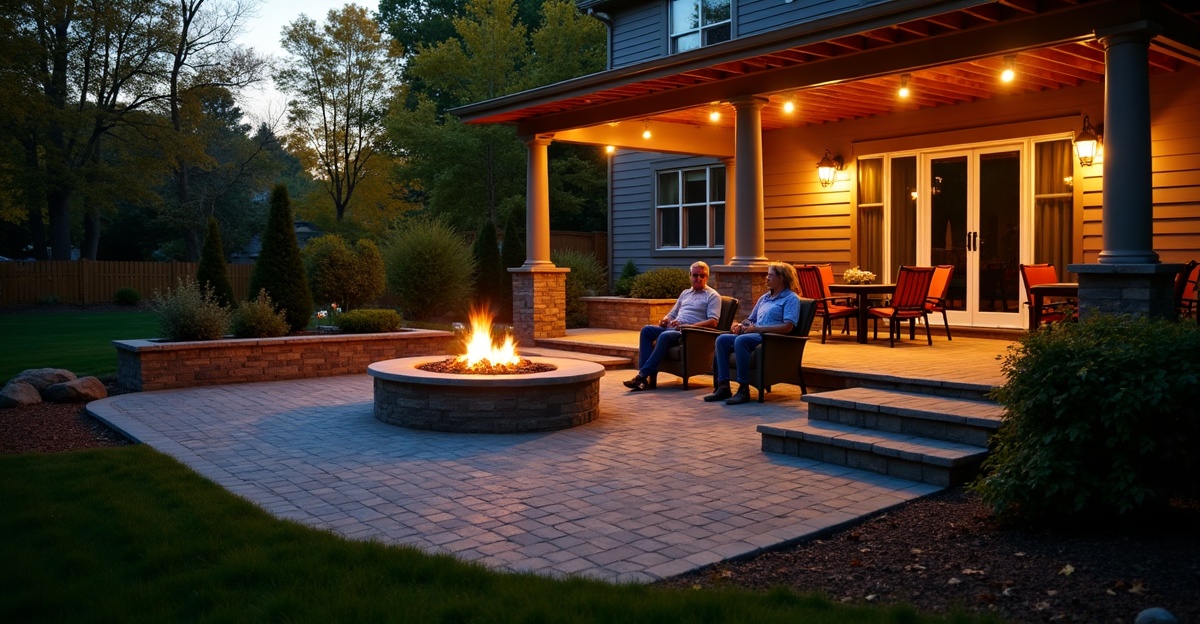
Strong patio design ideas Minnesota homeowners choose must account for freeze-thaw cycles, clay soils, drainage demands, and how each material performs during seasonal ground movement. We focus on solutions that pair durable materials like concrete pavers or properly installed natural stone with proper base preparation, smart layouts, and features that stretch Minnesota’s short outdoor season.
Key Takeaways
- Freeze-thaw cycles and clay-heavy soils in Minnesota require deep compaction, graded aggregate bases, and drainage planning to prevent cracking and settling.
- Concrete pavers often outperform poured concrete in northern climates because they flex with soil movement and can be reset if needed.
- Patio layouts should reflect yard size and slope, using defined zones, multi-level designs, and retaining walls to improve stability and usability.
- Drainage and runoff management must be addressed before surface finishes to protect both the patio and the home’s foundation.
- Fire features, pergolas, and integrated lighting extend patio use into spring and fall while adding practical comfort and safety.
Patio Design Ideas That Actually Hold Up in Minnesota Weather
Strong patio design ideas Minnesota homeowners choose must start with climate reality. Minnesota’s freeze-thaw cycles cause the ground to expand and contract repeatedly, and that movement can crack rigid surfaces if they aren’t built correctly.
Across Shakopee and the wider Twin Cities region, soil movement is a real factor. Clay-heavy soils in Scott, Carver, Dakota, and Hennepin Counties hold water. When winter hits, that trapped moisture freezes, expands, and leads to frost heave. Once spring melt arrives, the ground shifts again. Over time, patios that weren’t built for this cycle begin to settle unevenly or crack.
Spring melt and heavy summer rain also create serious drainage challenges. Water needs a clear path away from both the house and the patio surface. If it lingers beneath the patio, problems follow quickly.
For that reason, proper base prep and drainage aren’t upgrades in this region. They’re requirements. Any patio design ideas Minnesota homeowners consider should be climate-specific. National trends look good online, but what works in Arizona or the Carolinas rarely performs the same way in our freeze-thaw conditions.
We build every patio around what the ground will do in February and April, not what looks good in July.
Best Patio Materials for Long-Term Durability in Minnesota
Material choice matters, but installation matters just as much. In freeze-thaw climates, flexibility and serviceability often outperform solid slabs.
Concrete pavers remain one of the strongest options for long-term freeze resilience. When comparing concrete pavers vs. poured concrete, pavers have a clear advantage in northern climates. Individual units can shift slightly with soil movement. If settling occurs, sections can be lifted, re-leveled, and reset without tearing out the entire patio.
Poured concrete often has a lower upfront cost. However, it’s more susceptible to cracking from frost heave and soil movement. Once it cracks, repairs are usually visible and rarely restore the original look. Control joints help, but they don’t eliminate the impact of repeated freeze-thaw cycles.
Natural stone offers a premium appearance and impressive longevity when installed correctly. It’s a strong fit for homeowners who want a timeless finish and are prepared for the higher material and labor investment. With stone, the foundation beneath it becomes even more important.
Regardless of surface type, proper base preparation is what determines performance. We focus on:
- Adequate compaction depth based on soil conditions
- A well-graded aggregate base to promote drainage
- Secure edge restraints that prevent lateral movement
Without those elements, even high-end materials will fail over time.
Homeowners exploring custom patios Twin Cities projects should pay close attention to what’s beneath the surface. We handle this phase through experienced hardscape construction, because craftsmanship below grade is what protects the surface above it.
Functional Patio Layouts for MN Backyards of All Sizes
The best patio ideas MN backyard projects reflect the actual lot size, slope, and neighborhood layout. A design that works in a large rural property won’t always translate to a tighter suburban yard.
In smaller Shakopee or Twin Cities area neighborhoods, defined zones help maximize space. We often separate dining and seating areas with subtle elevation changes or material transitions. Clear boundaries prevent the patio from feeling overcrowded.
On larger properties, extended entertaining spaces make sense. These layouts may include open gathering areas, built-in seating, or integrated cooking spaces. We frequently align these features with dedicated outdoor kitchens and dining areas to create a cohesive flow.
Sloped yards require a different approach. Multi-level patios manage grade changes in a safe and attractive way. Instead of fighting the slope, we work with it. Tiered designs can create natural gathering zones while improving overall stability.
Retaining walls and integrated seat walls serve two purposes. They help address elevation shifts and improve usability. They also tie directly into drainage solutions by controlling how water flows through the yard.
No matter the yard size, patios should coordinate with existing grading and any other landscape structures. Strong design always considers water flow first and finishes second.
Drainage & Base Preparation: The Part Most Homeowners Overlook
Drainage planning protects both the patio and the home. Proper grading away from the foundation is essential. Water must move away from the structure, especially during spring melt.
In some yards, surface grading alone isn’t enough. Drain tile systems or channel drains may be necessary to redirect water runoff management paths. These solutions prevent pooling and reduce pressure on the patio base.
Clay soils make this step even more important. Because they drain slowly, water can linger beneath the surface. Combined with freeze-thaw conditions, that moisture increases the risk of frost heave.
Base preparation directly influences long-term durability. Compaction depth must match the soil type and intended use of the patio. A lightly compacted base might look fine for a season, but it won’t hold up long term.
We always address runoff management before discussing finishes or decorative upgrades. Solid drainage planning ensures the patio performs year after year without constant repair.
Features That Extend Minnesota’s Short Patio Season
Minnesota summers are beautiful but short. The right features make patios usable well into spring and fall.
Fire pits and fireplaces create warmth on cool evenings. These elements draw people outside earlier in the year and keep gatherings comfortable as temperatures drop. Thoughtfully designed landscape fire features add both function and a natural focal point.
Pergolas offer relief during hot summer afternoons while still allowing filtered light. They define space without closing it in. For many patio inspiration Minneapolis homeowners explore, partial overhead structures strike the right balance between shade and openness.
Integrated landscape lighting also plays a critical role. Well-planned landscape lighting improves safety on steps and elevation changes. It also extends evening use without harsh glare. Soft, layered lighting creates atmosphere while highlighting craftsmanship in the stonework.
We recommend choosing features based on long-term goals rather than impulse upgrades. A balanced plan keeps the space practical for seasonal use and easy to maintain.
Planning, Budgeting, and Preparing for Estimates in the Twin Cities
Smart planning keeps patio projects grounded in long-term value. Phased builds are often a practical approach. We might begin with a properly built patio foundation and structure, then add kitchen components, fire features, or lighting later.
Material choices should reflect durability goals rather than short-term trends. Climate performance in Shakopee and greater Scott County always comes first.
Permitting and HOA considerations vary across the Twin Cities. We review local requirements early in the process. That prevents delays and ensures the design aligns with neighborhood guidelines.
Before hiring a contractor for custom patios Twin Cities homeowners should ask direct questions:
- What base depth is planned for our soil type?
- How will compaction be handled?
- What drainage approach is included?
- How is frost heave addressed?
Clear answers matter. So does proof of local experience. Reviewing completed projects in Shakopee and surrounding counties shows how patios have held up over time. Our project gallery highlights work that reflects our standards for craftsmanship and durability.
Strong communication sets the tone for the entire project. We stay involved from concept through final walkthrough, often coordinating details through full project management so nothing falls through the cracks.
Outdoor living should feel like a natural extension of the home. With careful planning, proper base preparation, and honest guidance, patios in the Twin Cities can perform well for decades. When the time feels right to move forward, we encourage homeowners to request a consultation and start building a space that’s built for Minnesota, not just for summer.