

How Do You Choose The Right Materials For Hardscaping?
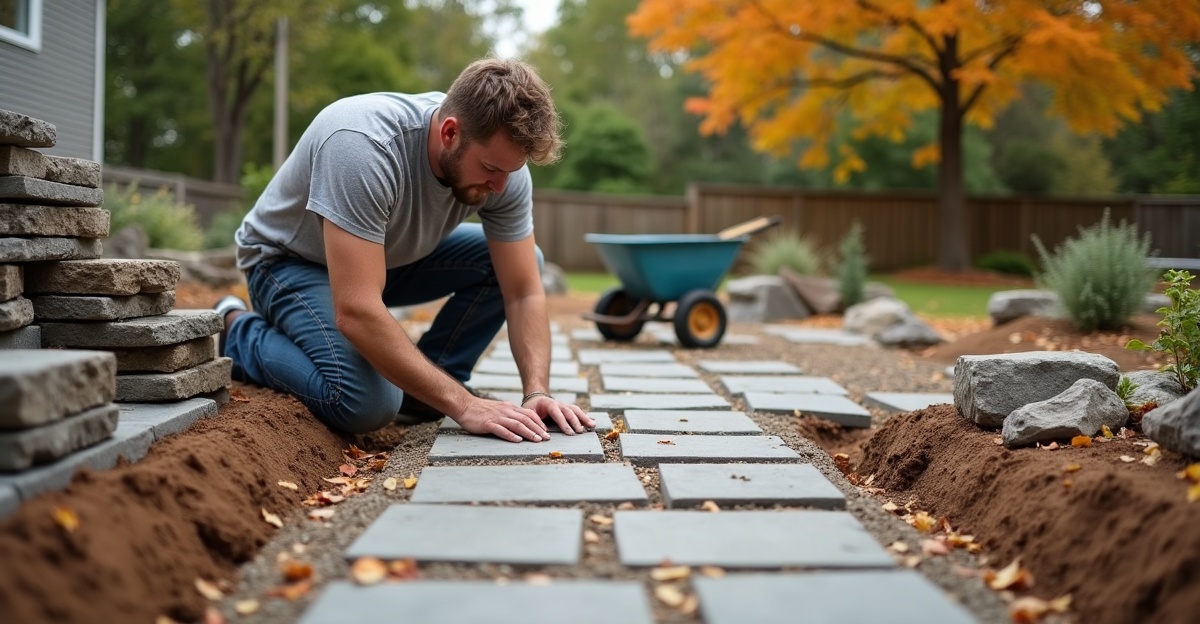
Choosing the best hardscape materials starts with understanding how Minnesota’s freeze-thaw cycles, clay-heavy soils, drainage patterns, and winter salt exposure affect long-term performance. We focus on making decisions that balance climate durability, proper base preparation, intended use, and maintenance expectations so patios, walkways, driveways, and retaining walls last for decades, not just the first season.
Key Takeaways
- Minnesota’s freeze-thaw cycles, frost heave, and moisture-retaining clay soils make material durability and drainage critical.
- Interlocking concrete pavers and properly installed natural stone generally outperform large poured concrete slabs in shifting soils.
- Base depth, layered compaction, and proper water management matter more than the surface material alone.
- Material choice should match function, including load demands, snow removal, salt exposure, and long-term wear.
- Long-term value depends on maintenance needs, repair flexibility, and realistic lifespan expectations under local conditions.
Minnesota’s Climate: The First Factor in Choosing the Best Hardscape Materials
Minnesota’s freeze-thaw cycle changes how we select outdoor materials. Water expands roughly 9% when it freezes, and that expansion creates serious pressure beneath hard surfaces. Over time, that pressure leads to movement, cracking, and uneven settling.
We call this frost heave. In simple terms, frost heave happens when moisture in the soil freezes, expands, and pushes patios, walkways, or walls upward. When temperatures rise, the soil contracts again. That up-and-down motion repeats every winter and spring.
Around Shakopee and throughout Scott, Carver, Dakota, and Hennepin Counties, we deal with clay-heavy soils. Clay holds water. That means more moisture in the ground when freezing temperatures hit. Add heavy snow loads, de-icing salt exposure, and inconsistent drainage conditions, and material performance becomes even more important.
Outdoor materials MN homeowners choose must handle repeated freeze-thaw cycles year after year. A surface that looks great in July but can’t handle March doesn’t hold its value.
The best hardscape materials for our area are proven locally. Popular or high-end doesn’t automatically mean appropriate. We focus on what performs well in Minnesota soil, under Minnesota winters, installed the right way from the base up.
Concrete Pavers, Natural Stone, Poured Concrete, and Retaining Wall Block: What Works Here
We install several types of hardscape materials, and each has strengths. Performance depends on product quality, installation method, and site preparation.
Most patio pavers Minnesota homeowners select are interlocking concrete pavers. These systems are manufactured to flex slightly as soils move. Individual units lock together, which helps the surface shift as one system instead of cracking apart like a single slab.
Natural stone—such as granite, limestone, or bluestone—offers a timeless look and excellent compressive strength. Thickness matters. Installation method matters even more. Stone performs well here when set over a properly compacted base with good drainage.
Poured concrete provides a clean look and often a lower upfront cost. In freeze-thaw environments, however, large monolithic slabs are more prone to cracking as the soil shifts beneath them. Control joints help, but cracking is still common over time.
Segmental retaining wall block systems are engineered to manage lateral soil pressure. These systems include proper backfill aggregate and drainage space behind the wall. When installed correctly, they perform far better than improvised or decorative-only wall systems.
As for lifespan, realistic expectations matter. Well-installed concrete pavers and natural stone can last decades with maintenance. Poured concrete often shows cracking sooner in freeze-thaw regions like ours. Every material, though, relies heavily on base depth, compaction, and water management.
Natural Stone vs Pavers: Pros, Cons, and When Each Makes Sense
The natural stone vs pavers conversation comes up often, especially during patio design.
Natural stone offers a one-of-a-kind appearance. Each piece varies in color and texture. It has high compressive strength and a classic look that ages well. The tradeoff is typically higher material cost and the need for skilled installation. If the base fails, stone can shift, just like any other surface.
Concrete pavers bring uniform sizing and interlocking strength. That system distributes weight across many small units. If one area settles slightly, we can remove and reset specific pavers. Spot repairs are straightforward. In freeze-thaw climates, that flexibility is a real advantage.
Large concrete slabs act as single pieces. Interlocking systems act as layered systems. That difference allows pavers to handle minor soil movement more gracefully than monolithic surfaces.
There is no universally superior option. The right choice depends on the property, drainage conditions, foot traffic levels, and long-term goals. We recommend materials based on how the space will perform in ten or twenty years, not just how it looks on installation day.
Why Base Preparation, Compaction, and Drainage Matter More Than the Surface
Surface materials get the attention. The base is what determines whether a patio stays level.
Proper base preparation starts with excavation to the appropriate depth. In Minnesota, that often means digging below the organic topsoil and replacing it with compacted aggregate base. Depth varies depending on use—patios require less than driveways—but the principle stays the same.
Compaction means mechanically compressing base material in layers. We install aggregate in lifts and compact each layer thoroughly. That process reduces future settling and increases load-bearing capacity.
Drainage is just as important. Patios and walkways should generally slope a minimum of 1–2% away from foundations. Downspouts must discharge away from hard surfaces. In some cases, permeable systems or added drainage solutions make sense.
Many sinking or shifting patios fail because of poor base work, inadequate compaction, or trapped water. The surface material usually takes the blame, but water and soil movement are the actual causes.
This is especially critical with retaining walls. Proper backfill, drainage stone, and sometimes drain tile protect the wall from hydrostatic pressure. We incorporate those standards into every hardscape construction project because even the best hardscape materials fail without a stable foundation.
Matching Materials to the Way We’ll Use the Space
Material selection starts with function. Appearance follows.
For patios, we prioritize comfort underfoot, freeze-thaw durability, and ease of repair. Interlocking pavers or properly installed natural stone perform well here.
For walkways, slip resistance and clean edges matter. Surfaces must handle snow shoveling and occasional plowing without chipping or shifting.
Driveways demand higher load capacity. That requirement means thicker base preparation and heavier-duty pavers or appropriately reinforced systems. Passenger vehicles add stress that typical patios never see.
Retaining walls must use engineered block systems with proper backfill and drainage. Decorative stone alone isn’t enough to manage soil pressure long-term.
Pool surrounds require materials that resist salt, chemical exposure, and surface scaling. Heat reflection also matters for barefoot comfort in summer.
Winter realities shape every project. Snow removal, metal plow edges, and de-icing salts all affect surface wear. We choose materials and joint systems that can stand up to those conditions year after year.
We always match the product to the job. Function comes first. Visual style builds on that foundation.
Common Project Considerations
When planning a project, we typically evaluate:
- Soil type and drainage patterns
- Expected loads (foot traffic, vehicles, walls)
- Exposure to salt and snow removal equipment
- Long-term maintenance preferences
- Connection to the home’s foundation and existing grade
These factors guide material selection for any outdoor living project, whether it’s a simple patio or a full backyard renovation.
Maintenance, Repairability, and Long-Term Value
Long-term value depends on maintenance, repair options, and realistic expectations.
Concrete pavers require occasional joint sand refresh. Over time, polymeric sand may need to be topped off in high-traffic areas. The benefit is easy spot repair. We can lift affected areas, correct the base if needed, and reinstall the same units.
Natural stone may require periodic joint maintenance and, in some cases, sealing. Performance depends on stone type and location. Sealing decisions should match usage patterns and exposure conditions.
Poured concrete crack repair is often more visible. Once a slab cracks significantly, repairs can stand out or require larger section replacement.
Upfront cost is only part of the equation. Total cost of ownership includes maintenance, repair flexibility, and lifespan under real Minnesota conditions. We encourage homeowners to consider how long they plan to stay, how much maintenance they’re comfortable managing, and how intensively the space will be used each year.
Every property is different. Soil conditions, grading, and drainage challenges vary from lot to lot. We prefer to see the site in person before recommending materials. A proper consultation allows us to review grades, test soil conditions, and align the design with long-term goals.
Homeowners who want practical guidance can request a site visit through our contact page. We stay hands-on from consultation through final walkthrough, focusing on durability, craftsmanship, and results that make sense for the space.