

How Much Does An Outdoor Living Space Cost In Minnesota?
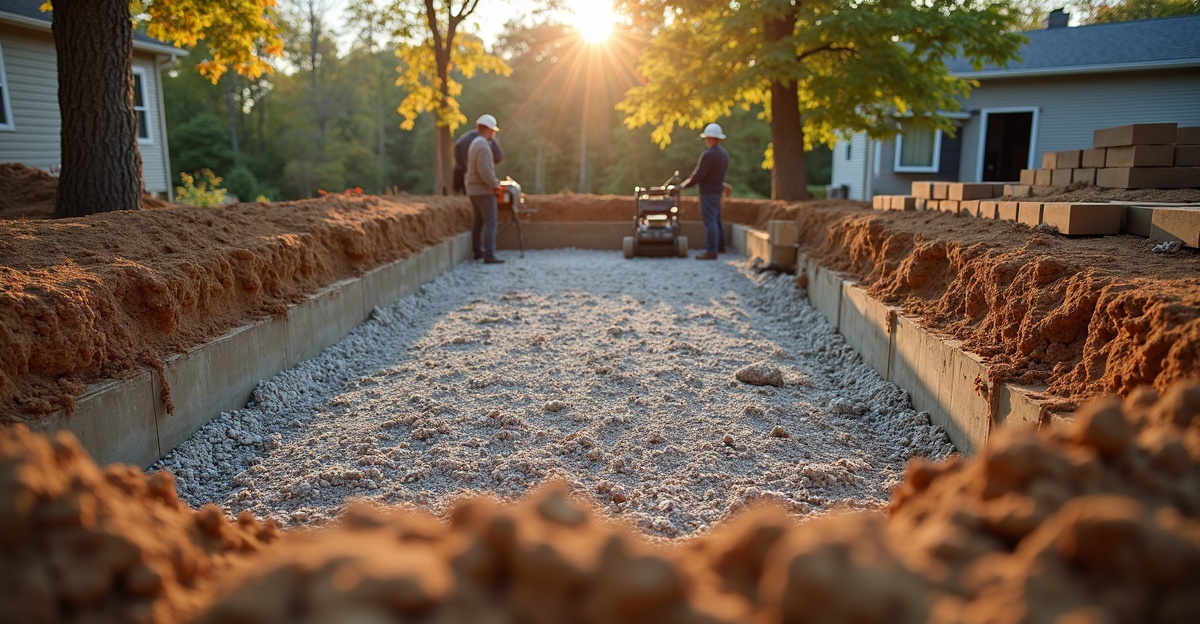
Outdoor living cost Minnesota projects usually fall between $8,000 for a simple 300–500 square foot patio and $75,000 or more for a fully integrated outdoor kitchen and multi-zone backyard built for Twin Cities weather. We base final pricing on frost-depth preparation, soil correction, drainage work, elevation changes, material selection, and the number of built-in features included in the plan.
We build for long winters, freeze-thaw cycles, and heavy clay soil. That climate drives construction standards that differ from warmer states. Proper base depth and drainage matter here. Without them, patios shift and crack.
Key Takeaways
- Most Minnesota homeowners invest $8,000–$18,000 for a basic patio, $18,000–$35,000 with fire features or seating walls, and $35,000–$75,000+ for full outdoor living spaces.
- Frost depth, clay soil, and drainage needs often require 6–12+ inches of compacted base and sometimes over-excavation with geotextile fabric.
- Elevation changes, retaining walls, tight site access, and municipal permitting in the Twin Cities significantly impact total cost.
- Add-ons like lighting, pergolas, premium pavers, gas lines, kitchens, and water features can quickly increase the overall investment.
- A realistic budget should include clear priorities and a 10–15% contingency for hidden soil or drainage issues uncovered during excavation.
We help clients set priorities early. That step keeps budgets focused and avoids mid-project changes that inflate costs. Clear goals lead to better design and cleaner execution.
A basic patio covers essentials. An expanded layout introduces comfort features such as seat walls or a fire element. A complete outdoor living environment blends cooking, dining, lounging, and lighting into one cohesive plan.
Every added layer increases labor, materials, and coordination. Gas lines require licensed installation. Electrical systems demand proper trenching and code compliance. Kitchens need ventilation planning and frost-safe foundations.
Soil conditions often surprise homeowners. Minnesota clay expands when wet and compresses when dry. We account for that movement by excavating deeper and compacting in lifts. Geotextile fabric separates soil from aggregate and helps prevent shifting.
Drainage also drives cost. We adjust grading, extend downspouts, or install channel drains when we see standing water risks. These corrections protect the patio and the home’s foundation.
Access constraints influence labor time. Narrow gates or fenced yards may require smaller equipment or hand-carrying materials. That slows production and increases cost.
Permits vary by city. Some Twin Cities municipalities require inspections for structures, gas lines, or pergolas. We factor permit fees and timelines into the project schedule.
We always recommend a 10–15% contingency. Excavation can reveal buried debris, soft soil, or old construction remnants. A reserve keeps progress moving without stress.
Smart planning reduces long-term expense. Spending more on proper base work and drainage today prevents costly repairs later. Minnesota weather tests every shortcut.
We approach outdoor living projects as long-term investments. Done correctly, they add value, improve daily living, and withstand decades of freeze-thaw cycles.
What Most Homeowners in Minnesota Actually Spend on an Outdoor Living Space
Outdoor living cost in Minnesota depends heavily on scope, site conditions, and material choices. Around the Twin Cities metro—including Shakopee and Scott, Carver, Dakota, and Hennepin Counties—pricing reflects higher labor standards, permitting requirements, and steady demand compared to rural areas.
For planning purposes, these are realistic investment ranges we see across our projects:
- Basic paver patio (300–500 sq ft): $8,000–$18,000
- Patio with fire feature and/or seating wall: $18,000–$35,000
- Fully integrated outdoor living space with kitchen, lighting, retaining walls, drainage, and multiple zones: $35,000–$75,000+
These aren’t “starting at” teaser numbers. They reflect what most homeowners actually spend once the work is built correctly for Minnesota conditions.
At the basic patio level, that range typically includes:
- Excavation and removal of existing sod or concrete
- Proper base preparation for frost conditions
- 6–12+ inches of compacted class 5 base as needed
- Pavers or selected surface material
- Standard edge restraints and joint sand
- Labor, equipment, and final cleanup
As projects add built-in features, gas lines, electrical, walls, or grading corrections, costs increase quickly. That’s why outdoor living cost Twin Cities projects vary so widely from one yard to the next. Every property brings different challenges below the surface.
What Impacts Outdoor Living Cost in Minnesota?
Minnesota soil and climate drive construction decisions. Cutting corners in this environment leads to shifting, heaving, and premature repairs.
Frost Depth, Soil, and Drainage
Minnesota frost depth can reach 60 inches. While patios don’t extend that deep, they must be built with enough properly compacted base to handle freeze-thaw movement. In most cases, that means 6–12+ inches of class 5 base, compacted in lifts.
Clay-heavy soils are common across the Twin Cities. Clay holds moisture, expands when frozen, and creates instability. In those cases, we often over-excavate and install geotextile fabric before placing base material. That extra prep protects the investment long term.
Drainage is another major factor. Sloped grades, poorly draining yards, or patios installed near foundations may require:
- Swales
- Drain tile
- Catch basins
- Yard re-sloping
Correcting drainage adds excavation time and material, but it prevents foundation issues and standing water.
Elevation, Access, and Material Choices
Elevation changes change everything. Retaining walls can add $40–$80+ per square foot depending on block type, height, and engineering requirements. Taller walls may require geogrid and additional base reinforcement.
Site access matters more than most homeowners expect. A backyard with tight side-yard access increases labor time. Crews may need smaller equipment or even hand-carry materials, which adds cost.
Material selection plays a major role as well. Standard poured concrete is often less expensive upfront than pavers. Pavers offer repair flexibility and design variety. Natural stone typically costs more due to both material pricing and labor intensity.
Permitting and engineering requirements in the outdoor living cost Twin Cities market also influence totals. Metro municipalities often have stricter inspections and design rules than rural areas.
Cost by Project Tier: From Simple Patio to Fully Designed Backyard
Every project fits into a general tier, even if details vary. Understanding these levels helps clarify typical backyard renovation cost MN ranges.
Basic Patio Space
This tier focuses on creating an entertaining surface. It prioritizes square footage and surface material, with minimal built-in features.
Typical range: $8,000–$18,000.
Usually includes:
- Excavation and base prep
- Pavers or concrete surface
- Basic edge restraints
- Simple layout
Lighting, gas lines, and built-ins are generally excluded at this level. It’s a solid entry point for homeowners who want usable space without major structural elements.
Fire Features to Full Outdoor Living
Adding a fire pit, fireplace, or seat wall moves a project into the $18,000–$35,000 range. Gas line installation increases cost compared to wood-burning options. Seat walls add both material and labor, especially if curves or multi-level layouts are involved.
Once we move into outdoor kitchens and multi-zone spaces, the investment typically lands between $35,000–$75,000+. These projects often include:
- Built-in grills and countertops
- Storage components
- Electrical for outlets and audio
- Integrated retaining walls and steps
- Drainage systems built into the design
An outdoor kitchen installation alone can shift the budget significantly depending on appliance selection.
At this level, professional planning is critical. Through our outdoor living design services, we coordinate layout, drainage, materials, and permitting before breaking ground. That prevents surprises later.
Common Add-Ons and Upgrades That Change the Final Price
Small upgrades add up quickly. A project that begins at $20,000 can approach $30,000+ once multiple enhancements are added.
Here are common additions that shift outdoor living budget planning:
- Low-voltage LED and step lighting through landscape lighting systems
- Pergolas or shade structures
- Premium or large-format pavers
- Decorative borders and inlays
- Built-in seating walls and pillars
- Gas line extensions
- Outdoor audio or TV integration
- Heated patios or snow-melt systems
- Water elements such as custom water features
Each upgrade may seem modest on its own. Combined, they meaningfully change total investment.
We believe in transparency. Clear scope discussions early in the process help homeowners understand how decisions affect long-term cost and value.
Practical Outdoor Living Budget Planning for Minnesota Homeowners
Clear priorities keep projects grounded. We recommend separating must-haves from features that can wait for a second phase.
Strong outdoor living budget planning in Minnesota should also include a 10–15% contingency. Buried debris, poor soil, or unexpected drainage corrections are common once excavation begins.
Climate matters. Freeze-thaw cycles are unforgiving. Saving money by underbuilding the base often leads to costly repairs. Proper compaction and material depth protect the investment for decades.
Property type influences design as well. Walkout basements, sloped lots, and tighter suburban backyards in Shakopee and nearby communities require customized grading and layout decisions. A cookie-cutter approach rarely works.
We approach every hardscape construction project with long-term durability in mind. That includes drainage, frost protection, and structural support. For larger transformations involving multiple trades, our full project management keeps scheduling and quality consistent from start to finish.
Online averages provide general context, but they can’t account for soil, slope, or access conditions in a specific yard. The most accurate way to understand outdoor living cost Minnesota numbers for a property is a site visit. From there, we can build a realistic range that respects both vision and budget.
Homeowners ready to move forward can review options through our outdoor living services and schedule a consultation through our contact page. Thoughtful planning upfront leads to lasting results, and that’s where real value is built.