

How to Build a Backyard Retreat
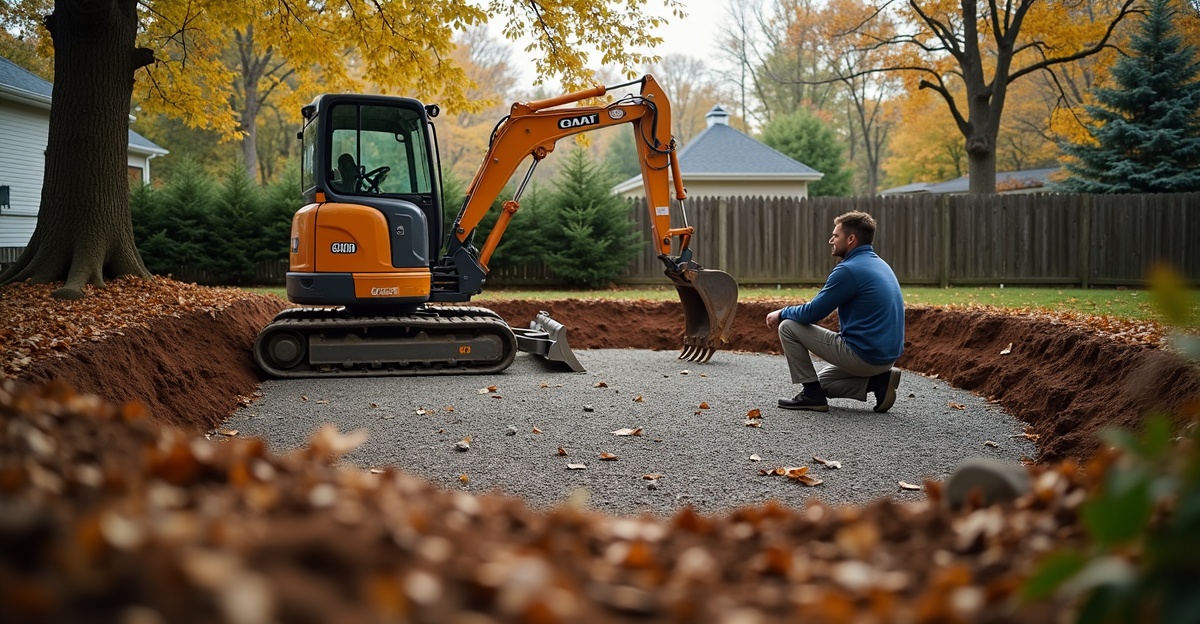
Learning how to build a backyard retreat in Minnesota starts with honest planning, solid engineering, and a layout that supports how we actually live outdoors. Minnesota’s clay soil, freeze-thaw cycles, and heavy rainfall demand careful excavation, drainage planning, and structural preparation. Each decision shapes long-term durability, comfort, and property value.
Key Takeaways
- Define the primary purpose of the space first, then design around daily use such as dining, relaxing, or hosting.
- Prioritize proper excavation, layered base preparation, and drainage to prevent settling, shifting, and water damage.
- Factor in Minnesota’s clay soil, heavy rain, and freeze-thaw cycles when planning patios, retaining walls, and steps.
- Set a realistic budget early and adjust scope instead of cutting structural corners that affect long-term performance.
- Choose a contractor who understands local codes, soil conditions, and communicates clearly from consultation through final walkthrough.
What a Backyard Retreat Really Means in Minnesota
A true backyard retreat in Minnesota starts with function. It’s a durable, well-built outdoor living space shaped around how we actually use our yard, not just how it looks in photos.
Learning how to build a backyard retreat begins with honest planning. We focus on how the space will serve everyday life—hosting friends, quiet weeknight fires, family gatherings, pet space, or a calm corner to unwind after work. Surface-level upgrades fade fast if the layout doesn’t support real use.
In Minnesota, structure and water management matter as much as style. Clay soil holds moisture, which explanations of clay soil drainage behavior. Freeze-thaw cycles shift the ground, a process explained in National Weather Service guidance on freeze-thaw soil movement. Spring thaw brings saturation. Heavy rain exposes weak grading. Temperature swings test every joint and base layer. These aren’t minor considerations. They shape every decision we make.
Structural integrity and drainage aren’t upgrades. They’re the foundation. Patios, retaining walls, and steps must be engineered for movement, expansion, and runoff control. Without that groundwork, even the best materials will settle or heave.
We build across Shakopee and throughout Scott, Carver, Dakota, and Hennepin Counties. Our approach stays consistent: durability first, craftsmanship always, and long-term value over trends. A backyard retreat should look great, but more importantly, it should last.
Planning the Space the Right Way from Day One
Every successful project starts with clarity. Before we sketch a layout, we define the purpose.
Are we creating space for dining? Lounging? A fire feature? A hot tub? Room for kids and pets? Clear goals prevent wasted square footage and awkward layouts. If we need inspiration, reviewing outdoor living space ideas helps align vision with realistic use.
Next, we evaluate site conditions. That means checking slope, grading, drainage paths, clay density, property lines, easements, and setbacks. Sun exposure and prevailing winds matter in Minnesota. A patio that faces harsh afternoon sun without shade quickly becomes underused. Wind direction affects fire features and comfort.
Budget discussions need to happen early. In the Shakopee area, typical preliminary investment ranges look like this:
- Small patio-focused retreat: approximately $15,000–$30,000
- Mid-size transformation with walls, lighting, drainage: $30,000–$60,000
- Larger, multi-feature outdoor living spaces: $60,000+
Actual costs vary depending on excavation depth, base preparation, retaining walls Shakopee MN requirements, backyard drainage solutions Minnesota integration, material choices, access for equipment, and utility coordination.
We follow a clear sequence:
- Design
- Excavation
- Base Preparation
- Drainage Installation
- Hardscape Installation
- Finishing Touches
Skipping grading corrections or shrinking structural prep to preserve budget creates problems later. We’d rather adjust scope than cut corners that compromise performance.
Building on a Solid Foundation: Base Prep, Drainage, and Structure
Improper base preparation is one of the most common failures we see. A patio can look perfect at installation and start shifting within two or three seasons if the base is inadequate.
For a proper paver patio Minnesota installation, we excavate deep enough to remove unstable soil, then install and compact layered aggregate base material. Compaction happens in controlled lifts. Edge restraints are secured. In clay conditions, depth matters even more to reduce movement.
Freeze-thaw cycles create pressure under poorly prepared surfaces. Water seeps into joints, freezes, expands, and causes heaving, which reflects the well-documented phenomenon of water expansion during freezing explained in earth science research. Correct base depth and drainage prevent that cycle from damaging the surface.
Water management protects everything above it. Effective backyard drainage solutions Minnesota projects often include:
- French drains to move subsurface water away from patios and foundations
- Surface grading adjustments to redirect runoff
- Catch basins and drain tile for heavy flow areas
- Proper downspout extensions and integration
We treat drainage as part of the structure, not an afterthought. When water flows away correctly, patios stay level, retaining walls Shakopee MN installations remain stable, and erosion stays controlled.
Elevation changes require careful engineering. Retaining walls manage grade transitions safely and prevent soil movement. Done correctly, they also create usable flat space where slopes once limited options.
Solid craftsmanship here means fewer callbacks, fewer repairs, and a patio that performs year after year.
Design Features That Add Comfort and Long-Term Value
Once the structure is secure, we shape the experience. A typical backyard patio installation Shakopee project may include several coordinated elements.
Paver patios remain a strong choice for Minnesota. They offer texture options, flexible joint systems, and slip-resistant surfaces. Proper installation allows manageable movement without cracking.
Retaining walls and seating walls create natural boundaries and extra seating. Stone or block steps handle grade transitions safely.
Fire features extend seasonal use. Gas systems provide clean ignition and easy operation. Wood-burning options deliver traditional ambiance but require more cleanup and storage. We often discuss trade-offs with homeowners before choosing. For planning guidance, reviewing ideas for adding a fire pit helps frame the decision.
Outdoor kitchens raise functionality. Built-in grills, prep space, and storage reduce trips indoors. Our outdoor kitchens and dining areas focus on weather durability and long-term performance.
Shade structures and pergolas improve comfort during peak sun. Wood provides a classic look but requires maintenance. Low-maintenance materials cost more upfront yet reduce long-term upkeep.
Lighting matters for safety and extended use. Thoughtful outdoor lighting planning highlights stairs, edges, and gathering areas without glare.
Throughout the design process, we align features with seasonal use. In Minnesota, most retreats see heavy use spring through fall. Surfaces and materials must also hold up through winter snow loads and freeze cycles.
As an experienced outdoor living space contractor in Shakopee, we balance backyard retreat ideas Minnesota homeowners love with structural realities that protect the investment.
Timeline Expectations and Permitting Realities in Shakopee
Clear timelines build trust. A typical process follows this path:
- Initial consultation and site visit
- Design development and revisions, often 2–4+ weeks depending on scope
- Permit submission if required
- Scheduling during peak construction season
- Construction phase, ranging from several days for small patios to several weeks for larger builds
Spring thaw can delay excavation. Heavy rain pauses work for safety and soil stability. Mid-summer schedules fill quickly. Contractors who promise immediate start dates during peak season often haven’t accounted for these realities.
Utility locates, inspections, and setback rules must be coordinated correctly. Working with a contractor familiar with local codes and soil conditions reduces surprises and delays. We’ve spent years building throughout this area, so we understand what each city typically expects.
Planning early gives us breathing room to handle weather and permitting without rushed decisions.
Choosing the Right Contractor and Protecting Your Investment
The contractor we choose matters as much as the design itself. Before committing, strong questions help clarify expertise and accountability:
- How do you handle base preparation in clay soil?
- What drainage solutions do you install and why?
- Can you show local project photos in Shakopee or Scott County?
- Who manages communication from consultation to final walkthrough?
Vague estimates without detailed scope raise concerns. Minimal discussion of grading or drainage is another red flag. A lack of local references should pause any decision.
Minnesota winters demand reasonable maintenance. Pavers benefit from occasional cleaning and optional sealing. Drainage systems should be inspected periodically. Snow removal works best with plastic shovel edges, and harsh deicers that damage surfaces should be avoided.
Long-term value outweighs bargain pricing. Correct base prep, proper drainage, and clear communication protect the investment far better than a low initial number.
We take a steady, honest approach at Outdoor Oasis. From consultation through final walkthrough, we stay hands-on and accountable. A low-pressure site visit allows us to evaluate soil conditions, drainage, and layout realistically. If we’re ready to talk through goals for a backyard retreat, we can start the conversation through our contact page and move forward with clarity and confidence.
Frequently Asked Questions
The first step in building a backyard retreat is defining how the space will actually be used. Decide whether the area will focus on dining, relaxing, entertaining, or family activities. Once the purpose is clear, you can design the layout, size, and features around those needs. This approach prevents wasted space and ensures the retreat supports daily outdoor living.
The cost to build a backyard retreat depends on size, materials, and features included. A simple patio-centered space may cost around $15,000 to $30,000, while mid-size outdoor living areas with retaining walls, lighting, and drainage often range from $30,000 to $60,000. Larger designs with multiple features like kitchens, fire pits, and seating walls can exceed $60,000.
Proper drainage prevents water buildup that can damage patios, foundations, and landscaping. In areas with clay soil or heavy rainfall, water can become trapped beneath surfaces and cause shifting or heaving during freeze-thaw cycles. Installing solutions like French drains, grading adjustments, and catch basins helps direct water away from structures and keeps outdoor living spaces stable long term.
Features that improve usability and comfort tend to add the most value. Popular additions include paver patios, fire pits or fireplaces, retaining or seating walls, outdoor kitchens, and landscape lighting. Shade structures such as pergolas can also improve comfort during hot weather. The most valuable features are those that extend how often and how comfortably the outdoor space can be used.
Building a backyard retreat typically takes anywhere from several days to a few weeks depending on the complexity of the project. Smaller patios may be completed quickly, while larger outdoor living spaces with walls, drainage systems, and multiple features require more time. Design planning, permitting, weather conditions, and contractor scheduling can also affect the overall timeline.