

Spring Landscaping Preparation Guide
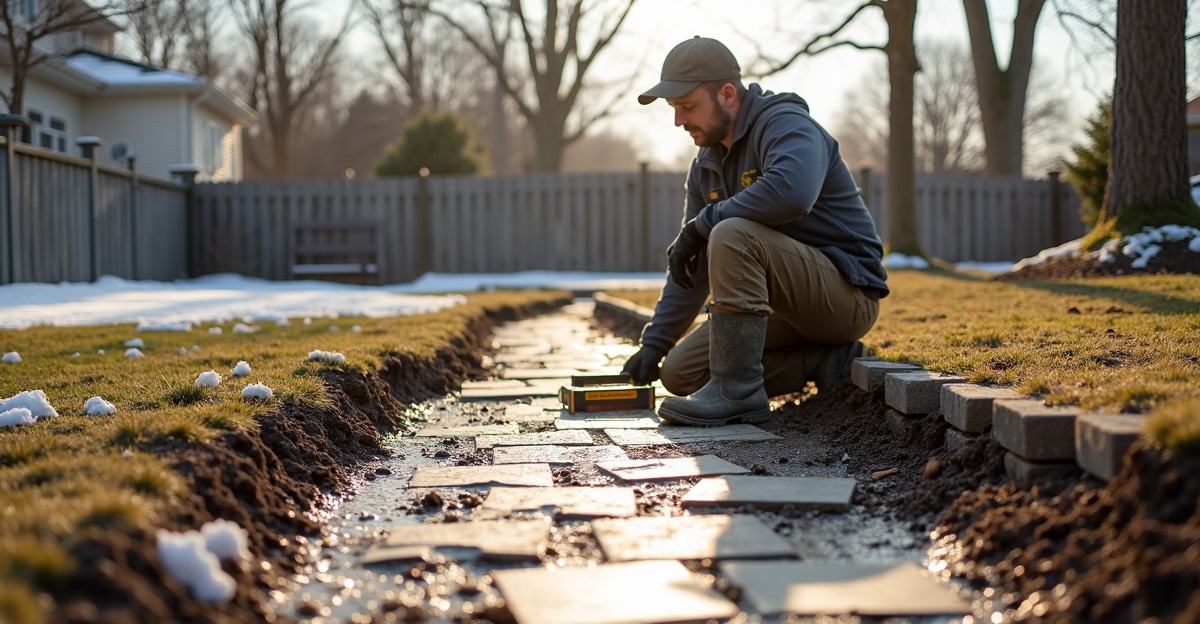
Minnesota winters create freeze-thaw movement, saturated clay soils, and drainage shifts that directly affect patios, retaining walls, and lawns. We treat spring preparation as a structural reset, not basic yard cleanup. When we explain how to prepare yard for spring landscaping, we focus on protecting long-term performance.
A practical spring landscaping preparation guide starts with a full inspection and debris removal. From there, we address grading correction, evaluate drainage flow, test soil compaction readiness, and time projects carefully. This sequence prevents settlement, shifting, and structural failure later in the season.
Key Takeaways
- Freeze-thaw cycles and snowmelt can shift pavers, separate retaining wall joints, saturate soil, and move subgrade material out of place.
- We start with a detailed inspection and functional cleanup to expose drainage issues, erosion patterns, and structural damage.
- We correct grading and redirect water before we plant or install hardscapes to prevent settling and foundation problems.
- We wait until clay-heavy soil dries and reaches proper compaction levels before we build patios or retaining walls to reduce long-term settlement.
- We follow a clear sequence—inspection, cleanup, drainage correction, soil preparation, then construction—to limit rework and protect the investment in the landscape.
What Minnesota Winters Really Do to Your Yard
Minnesota winters reshape landscapes in ways many homeowners don’t see until spring. Freeze-thaw cycles, frost heave, snowmelt, and heavy early rains all place stress on lawns, patios, retaining walls, and drainage systems across Shakopee and surrounding Scott, Carver, Dakota, and Hennepin Counties.
Freeze-thaw movement is one of the biggest Minnesota freeze thaw landscaping issues we deal with each spring, a process described in National Weather Service guidance on freeze-thaw soil cycles. As soil freezes, moisture expands. When it thaws, the ground contracts and shifts. That repeated movement pushes pavers upward, separates retaining wall blocks, and creates uneven surfaces in patios and walkways. Frost heave can also distort edging and crack joints that looked stable in the fall.
Snowmelt compounds the problem. In our region, clay-heavy soils are common. Clay holds water instead of letting it drain freely, which aligns with University of Minnesota Extension explanations of clay soil drainage behavior. When melting snow saturates the ground, that trapped moisture softens the soil and reduces its load-bearing capacity, a condition described in engineering guidance on soil bearing capacity in saturated conditions. The result is pooling water, settling, and unstable bases under patios and walls.
Heavy spring rain often arrives before the soil has fully stabilized. That combination of saturated ground and shifting layers creates hidden structural risks. Minor surface dips can signal larger subgrade movement underneath.
Timing matters. Homeowners often ask when to start spring landscaping in Minnesota. We wait until frost is fully out of the ground and the soil has had time to drain. Installing hardscape features too early on unstable ground can lock in long-term problems. Proper preparation is how we approach how to prepare yard for spring landscaping naturally—working with soil conditions instead of rushing against them.
Smart spring planning prevents costly repairs later. A patio installed over soft, shifting soil may settle unevenly within a season. Retaining walls built before drainage is addressed can lean or separate. Taking time upfront protects the investment in outdoor living spaces for years to come.
Start With a Thorough Spring Inspection and Cleanup
Every project starts with inspection before action. Our seasonal sequence stays consistent:
- Inspection
- Cleanup
- Grading evaluation
- Drainage assessment
- Soil prep
- Structural planning
Skipping the inspection step leads to missed problems.
Winter commonly leaves behind cracked pavers, shifted retaining wall blocks, and widened joints in hardscape surfaces. We look for pooling water in lawn areas, erosion channels along slopes, and ruts caused by snow removal equipment. Garden bed edging often separates due to frost movement. Small misalignments early in the season can grow into major issues by midsummer.
Spring yard cleanup Minnesota homeowners tackle each year should focus on function, not appearance. Remove fallen branches, leftover leaves, and sand from plow routes. Clear debris from around foundations and drainage swales. Cleaning exposes low spots and drainage failures that aren’t visible under matted leaves.
Some tasks are ideal for homeowners. Debris removal, light raking, and clearing access paths are reasonable DIY efforts. Structural concerns require closer evaluation. If pavers have lifted, walls show step cracking, or water remains after a storm, that’s when we recommend a professional review. Cleanup isn’t cosmetic—it provides a clear picture of how the yard performed over winter.
Correct Grading and Drainage Before You Plant or Build
After cleanup, grading and drainage come next. Yard grading and drainage preparation should always happen before planting beds or starting structural installs.
Watch for warning signs during early spring rains:
- Standing water 24–48 hours after rainfall signals poor drainage.
- Soil erosion along foundations indicates slope issues.
- Saturated lawn areas that stay soft point to compacted clay beneath the surface.
Ignoring these signs leads to long-term damage. Improper slope allows water to flow toward patios and foundations instead of away. Over time, this weakens base materials under hardscapes and increases settlement.
Spring snowmelt drainage solutions in Minnesota often involve correcting pitch, adding shallow swales, extending downspouts, or adjusting drain inlets. Minor surface pooling sometimes resolves with small regrading adjustments. More significant slope correction requires professional equipment and laser grading tools to establish consistent fall across the property.
That difference defines professional landscaping prep vs DIY decisions. Homeowners can redirect a short downspout or reshape a small garden bed. Larger grading shifts, particularly near foundations or under future patios, need precise measurements and proper compaction. Small drainage problems rarely stay small. We address them early while access is simple and before new installations go in.
Evaluate Soil Conditions and Compaction Readiness
Soil preparation for landscaping Minnesota properties demands patience in spring. Clay-heavy soil must dry to the right moisture level before any structural work begins.
Saturated soil cannot be compacted properly, which is why civil engineering guidance on soil compaction and base stability recommends waiting until soil reaches appropriate moisture levels. Attempting to build on wet ground traps moisture below the base layer. As the soil dries and shrinks later in the season, voids form and settlement follows.
We use simple field indicators for compaction readiness:
- Soil should crumble in our hand rather than smear.
- There should be no standing water in excavation areas.
- Footprints shouldn’t fill with water or leave deep depressions.
If any of those conditions are present, the ground isn’t ready.
Proper compaction is critical before starting hardscapes through our hardscape construction services. Whether we’re installing pavers or preparing retaining wall bases, the stability begins below the surface. Skipping compaction risks cracked joints, shifted walls, and uneven surfaces.
When planning to prepare for patio installation, we focus heavily on subgrade integrity. Retaining wall preparation tips always include verifying soil stability behind and beneath the structure. A wall performs only as well as its base and backfill conditions.
This phase isn’t about quick improvements. It’s about durability and long-term value. Solid groundwork means fewer callbacks and fewer surprises years down the road.
Prepare Properly for Patios, Retaining Walls, and Structural Landscaping
Structural projects follow a clear progression:
- Confirm grading is correct.
- Confirm drainage moves water away from structures.
- Verify soil stability and compaction readiness.
- Establish appropriate base depth and materials.
- Schedule installation according to weather conditions.
Rushing any step invites problems.
Common regional mistakes include installing pavers too early, building on unstable subgrade, ignoring minor early settlement, and underestimating spring rain delays. April can be productive in some years, but others require patience into May before full installations make sense.
In Minnesota, realistic project timelines often begin with design work in late winter or early spring. Excavation and base prep typically occur from late April through early June, depending on frost depth and rainfall. Larger projects extend into early summer for completion.
Homeowners can productively use early spring by clearing access, finalizing design decisions, and selecting materials. Reviewing inspiration photos from our project gallery helps clarify expectations and layout preferences. Structural excavation, base preparation, and compaction should stay in the hands of experienced crews.
Craftsmanship and accountability matter more than speed. We focus on long-term performance, whether the project involves a patio expansion, retaining wall stabilization, or a full outdoor living space. Getting it done right the first time protects the investment and reduces maintenance later.
Use a Practical Spring Landscaping Checklist and Plan the Right Sequence
Spring projects move smoothly when we follow a consistent order. A simple checklist helps keep priorities aligned:
- Inspect winter damage.
- Complete spring yard cleanup Minnesota tasks.
- Evaluate grading and overall slope.
- Assess drainage patterns after rainfall.
- Test soil stability and compaction readiness.
- Finalize structural project planning.
This sequence prevents rework. Planting before correcting drainage often leads to replanting. Installing patios before confirming subgrade stability leads to repairs.
Planning beats rushing early spring projects in our climate. Patience during March and April often saves money by June. For larger transformations, reviewing a detailed backyard renovation checklist helps align scope, budget, and timing.
Professional landscaping prep vs DIY decisions don’t need to feel pressured. Many homeowners handle cleanup and light grading adjustments themselves. Complex drainage corrections, patios, and retaining walls deserve thoughtful evaluation. We approach each property through steady full project management, staying hands-on from consultation through final walkthrough.
For patios, retaining walls, drainage systems, or larger outdoor improvements, scheduling a conversation through our consultation page is a practical next step. We focus on what makes sense for the space, the soil conditions, and long-term durability. That approach keeps projects grounded, reliable, and built to last.
Frequently Asked Questions
The first step is performing a full yard inspection after winter. Look for frost heave, drainage problems, shifted pavers, erosion, and lawn damage caused by snowmelt and freeze-thaw cycles. Once issues are identified, remove debris such as leaves, branches, and sand buildup. This cleanup exposes grading problems and drainage patterns so you can address structural issues before planting or installing patios.
The best time to start spring landscaping in Minnesota is after the frost has completely left the ground and the soil has begun to dry. Working too early on saturated clay soil can lead to poor compaction and long-term settling problems. Most structural projects such as patios or retaining walls typically begin from late April through early June depending on weather conditions.
Drainage problems should be corrected before planting or building by adjusting grading and redirecting water flow. This may include reshaping slopes, adding shallow swales, extending downspouts, or installing drainage inlets. The goal is to move water away from foundations, patios, and retaining walls. Addressing drainage early prevents soil erosion, standing water, and structural instability later in the season.
Soil is ready for landscaping work when it has dried enough to hold its structure and compact properly. A simple test is squeezing soil in your hand—if it crumbles rather than smears, it’s likely ready. There should also be no standing water and footprints should not leave deep impressions. Building on wet soil can cause settling, shifting pavers, and unstable retaining walls.
Yes, grading and drainage corrections should always happen before planting or installing hardscapes. If water flow problems are ignored, new plants, lawns, and patios may suffer from erosion, pooling water, or soil movement. Correcting the slope and drainage first creates a stable base for landscaping features and reduces the risk of costly repairs later in the season.