

Outdoor Seating Area Design Guide
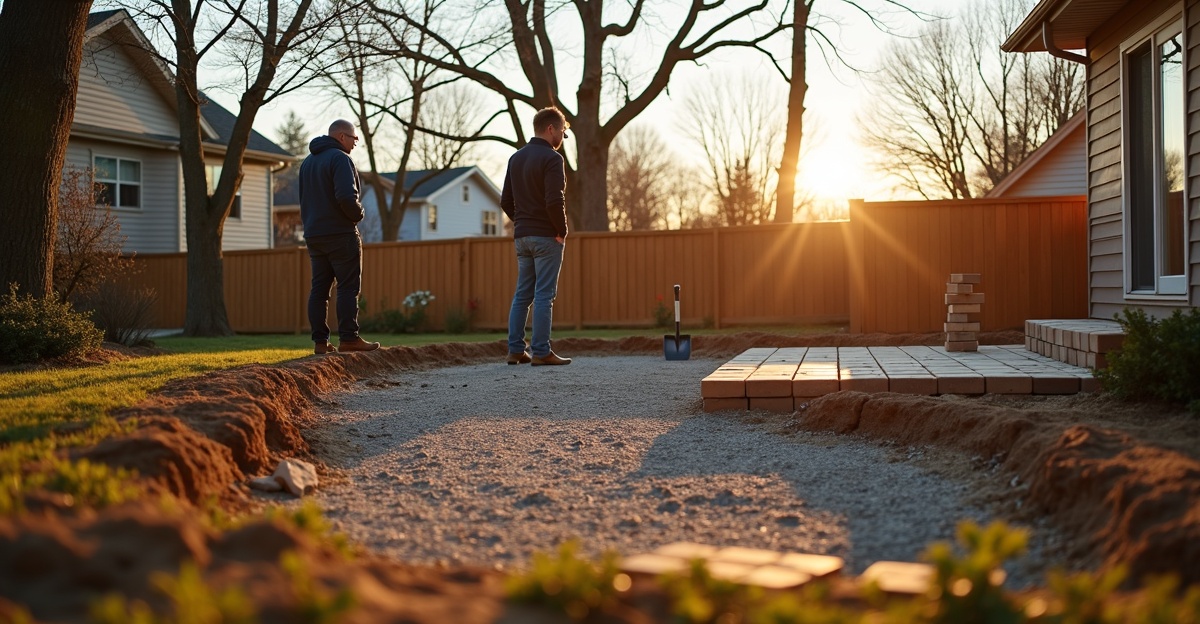
Designing a functional and durable backyard starts with understanding how to design outdoor seating area layouts that align with our family’s needs, Minnesota’s climate, and our property’s long-term goals. In this outdoor seating area design guide, we outline practical steps—from evaluating slope and drainage to planning traffic flow, base preparation, and material selection—so our space performs well for years, not just the first season.
Key Takeaways
- Define the space’s purpose first by identifying who will use it, how often, and what it should support over the next five to ten years.
- Evaluate slope, soil conditions, drainage patterns, sun exposure, and wind to prevent settling, frost heave, and usability issues.
- Prioritize proper excavation, compacted base installation, and structural integration to ensure long-term stability in Minnesota’s freeze–thaw climate.
- Plan clear traffic flow with at least 36-inch walkways, defined seating zones, and privacy elements that fit our lot size and home scale.
- Choose freeze–thaw rated materials and work with a contractor who specifies base depth, drainage strategy, and phased options for lasting value.
What to Consider First: Purpose, Use, and Long-Term Goals
Strong design starts with clarity. We define how to design an outdoor seating area by understanding its real purpose before we think about finishes or décor.
Some families want a quiet morning coffee space tucked near the house. Others need room for large gatherings, fire feature conversations, or full outdoor dining. Many Shakopee homeowners prefer a multi-use layout that works from spring through fall. That’s where thoughtful outdoor living space design Shakopee properties benefit from most.
Backyard seating area planning should answer three core questions: Who will use the space? How often will it be used? What should it support five or ten years from now?
We look at family size, visiting guests, pets, and aging-in-place concerns. Wide walkways and stable surfaces matter if long-term accessibility is a goal. If grandkids visit often, open space for movement becomes part of the plan. Minnesota’s seasonal pattern also affects expectations. A seating area that feels oversized for daily use may make sense for summer entertaining.
Long-term property goals shape the direction as well. Some homeowners prioritize resale value. Others want a low-maintenance setup that minimizes yearly upkeep. Many prefer phased improvements, building in sections over time rather than tackling everything at once.
HOA guidelines in Shakopee and surrounding Scott, Carver, Dakota, and Hennepin Counties also influence layout, fence heights, and setbacks. We address those early so there are no surprises during installation.
Trends fade. Function lasts. We focus on how the space will work first. Décor decisions come after structure and usability are solid.
For broader inspiration, we often reference practical outdoor living space ideas and refine them to fit real property conditions and budgets.
Evaluate Your Yard: Slope, Soil, Sun, and Wind in Minnesota’s Climate
Every successful project begins with the ground itself. Understanding how to plan a backyard patio in Minnesota means respecting freeze–thaw cycles first.
Moisture expands when it freezes and contracts when it thaws. In poorly prepared bases, that movement causes settling and heaving, which reflects engineering research on freeze–thaw damage to paving systems. Over time, pavers separate, edges shift, and surfaces become uneven. Strong Minnesota freeze thaw patio design requires proper grading, base depth, and drainage before a single paver goes down.
We examine slope and runoff patterns carefully. Low spots, downspout discharge areas, and natural drainage paths must be identified early. Homes near the Minnesota River Valley around Shakopee often have variable soils and fluctuating water tables. Ignoring those factors leads to long-term problems.
Patio drainage considerations are straightforward but critical. Water should move away from the home and away from the seating area. We plan surface slope and, when necessary, incorporate subsurface drainage to keep the base dry and stable.
Sun and wind exposure shape comfort. South- and west-facing yards receive intense afternoon heat in summer. Shade structures, tree placement, or pergolas can make the difference between occasional use and daily comfort. Prevailing winds also affect seating placement and fire feature performance.
Winter matters too. Snow storage areas need to be planned so they don’t block walkways or push meltwater back toward the patio. Access to garages and side yards should stay functional year-round.
Common local mistakes include ignoring subtle slope changes, skipping grading corrections, and underestimating drainage. Fixing those issues after installation costs more than doing it properly from the start.
Build It Right from the Ground Up: Base Preparation, Excavation, and Structural Integration
Furniture choices are secondary. Structure comes first.
Proper excavation depth depends on soil type and expected load. In cold climates, the best materials for an outdoor seating area only perform well if they sit on a stable, well-compacted base. We install compacted aggregate layers appropriate for Minnesota conditions and expected use.
Insufficient base depth causes settling. Poor compaction leads to uneven paver patio seating area surfaces. Both are avoidable with disciplined installation standards.
We also integrate the seating area with surrounding elements. Existing patios, steps, grade transitions, and retaining walls for seating areas should connect seamlessly. Cohesive flow improves both safety and appearance.
Water management remains a priority throughout construction. We maintain a slope of roughly 1/8 to 1/4 inch per foot away from the home for effective drainage, consistent with civil engineering guidance on patio slope and surface water runoff. Edge restraints help lock pavers in place. Where elevation changes occur, retaining walls provide structural support and usable seating at the same time, reflecting engineering principles of retaining wall design for slope stabilization.
For projects that combine multiple elements—patios, seat walls, kitchens, or fire features—professional coordination matters. Our hardscape construction services focus on long-term durability rather than shortcuts.
No outdoor solution is maintenance-free. However, proper excavation and compaction dramatically reduce long-term repairs. Installation quality shows up years later.
Plan a Layout That Works: Traffic Flow, Comfort, and Privacy
Good patio seating layout design feels natural from the first step onto it. Movement should never feel cramped or forced.
We maintain at least 36 inches for primary walking paths. That width allows comfortable traffic flow without weaving around furniture. Clear circulation reduces wear on lawn edges and surrounding landscape.
Separate zones create comfort and avoid crowding. Dining areas function best near the house and grill. Lounging zones benefit from privacy elements and softer edges. Fire features require thoughtful spacing for safe conversation circles.
Shakopee’s suburban lots often favor efficient rectangular or L-shaped layouts. Proportions should complement the home rather than overpower it. Oversized patios can feel empty. Undersized ones feel cramped.
Built-in seat walls help define space and limit loose furniture. They also reduce long-term replacement costs. Retaining walls for seating areas offer structure and function in sloped yards.
To clarify practical layout standards we follow:
Key Layout Guidelines
- Maintain 36-inch minimum primary walkways.
- Separate dining and lounging zones when space allows.
- Size patios proportionally to both house scale and lot width.
- Use landscaping or pergolas for outdoor seating privacy solutions.
- Plan wind breaks and shade structures to extend seasonal use.
Landscaping, low walls, and vertical screens provide effective outdoor seating privacy solutions without closing the yard in completely. We also recommend reviewing practical outdoor lighting planning basics so pathways and seating zones stay usable after sunset.
Thoughtful layout work produces outdoor seating area ideas Minnesota families can actually use—not spaces that look good in photos but sit empty.
Choosing Durable Materials for a Cold-Climate Seating Area
Material choices must support Minnesota freeze thaw patio design. Freeze–thaw rated pavers, cold-climate natural stone, and properly treated wood or composite materials perform best over time.
A paver patio seating area generally offers better flexibility than poured concrete in our climate. Individual units can move slightly with ground shift and be reset if needed. Concrete slabs may crack with frost movement, and repairs are often more visible.
That said, even the best materials fail without proper base preparation. Installation quality outweighs brand names.
Maintenance expectations should be clear from the start. Joint sand may require periodic replenishment. Surfaces benefit from occasional cleaning. Sealers, if used, need reapplication on a schedule. Seasonal inspections help catch minor issues before they grow.
Fire features and retaining walls should use compatible materials to maintain consistent performance and appearance. For homeowners considering a gathering focal point, our landscape fire features integrate cleanly with paver systems and structural seating.
We avoid promising “maintenance-free” systems. Every outdoor surface requires care. The goal is manageable upkeep with dependable performance.
Outdoor Seating Area Cost Considerations and Choosing the Right Contractor
Outdoor seating area cost considerations vary widely. Size matters. So do excavation depth, grading corrections, drainage solutions, material selection, retaining walls, and site access.
A flat yard with stable soil costs less to prepare than a sloped site requiring retaining walls and imported base material. Access constraints also affect labor and equipment needs. Vague estimates don’t help homeowners make informed decisions.
Phased approaches often make sense. We can build the structural patio first, then add kitchens, fire features, or privacy elements later. Reviewing practical backyard retreat planning steps helps prioritize timing and budget.
Choosing the right contractor matters as much as material selection. We recommend looking for clear communication, written scope details, specified base depth, defined drainage planning, realistic timelines, and transparent warranty terms.
Local experience counts. Soil behavior in Shakopee differs from other parts of Minnesota. Understanding those patterns helps avoid preventable issues.
Homeowners ready to move forward with outdoor living space design Shakopee projects can schedule a site-specific evaluation. We review yard conditions, discuss long-term goals, and provide practical recommendations grounded in what makes sense for the property. For direct consultation, reach out through our contact page.
Frequently Asked Questions
The best outdoor seating layout separates spaces based on how they will be used. Most backyards work well with defined zones for dining, lounging, and circulation paths. Walkways should be at least 36 inches wide to allow comfortable movement around furniture. Placing dining areas near the house and quieter seating farther away improves flow and makes the space easier to use for both everyday relaxation and entertaining.
An outdoor seating area should be large enough to fit furniture while maintaining clear walking space around it. A small conversation area typically needs about 100–150 square feet, while dining spaces require additional room for chairs to move freely. Planning extra clearance prevents the patio from feeling cramped and allows the seating area to adapt to gatherings, furniture changes, or future additions.
Freeze–thaw rated pavers, natural stone, and composite materials perform best in cold climates. These materials handle ground movement and temperature changes better than large poured concrete slabs. Pavers are especially durable because individual units can shift slightly without cracking. However, long-term performance depends heavily on proper excavation, a compacted base, and effective drainage beneath the surface.
Outdoor seating areas can be made more private by using landscaping, vertical screens, pergolas, or low walls. Trees, shrubs, and tall grasses soften sightlines without fully closing the space. Structural features such as seat walls or lattice panels can also block views from neighboring properties. Combining plantings with hardscape elements usually creates the most natural and comfortable privacy solution.
The best time to build an outdoor seating area is typically spring through early fall when ground conditions allow proper excavation and base installation. Planning during winter months can also be beneficial because designs and contractor schedules can be finalized before the busy construction season. Early planning helps ensure materials, permits, and site preparation are completed without delays.