

Outdoor Project Timeline Expectations
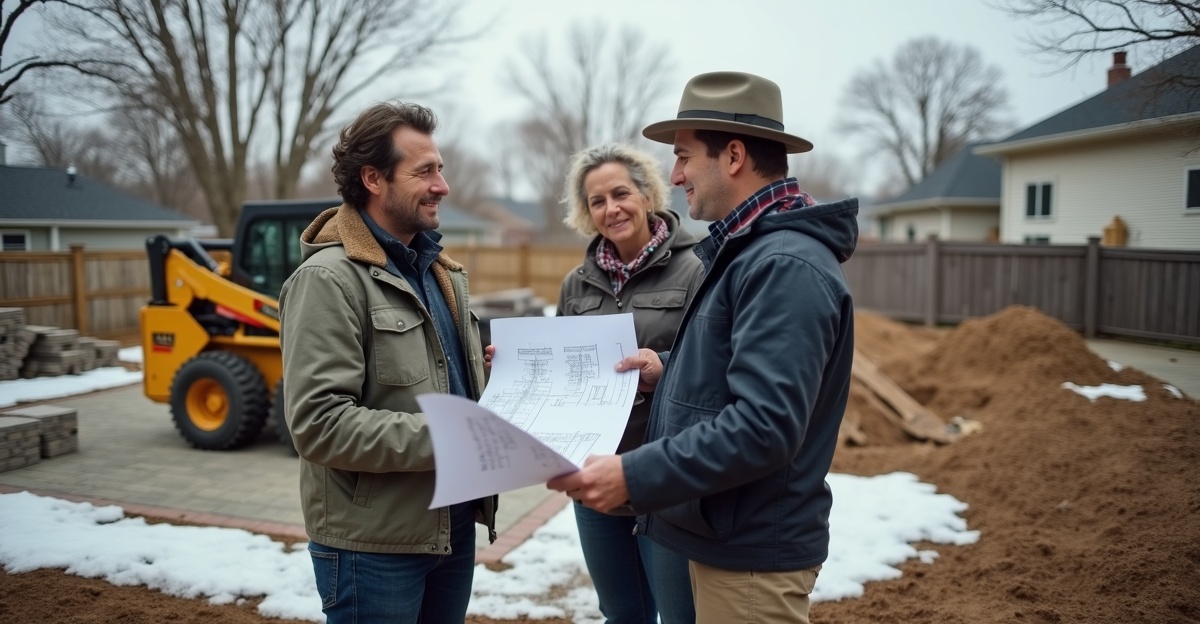
Understanding typical outdoor project timeline expectations helps us see the full picture, from initial consultation and design through permitting, material ordering, construction, and final walkthrough. In Minnesota, seasonal demand, soil conditions, weather patterns, and clear decisions all shape a realistic schedule that protects quality and long-term durability.
Key Takeaways
- An outdoor project timeline includes consultation, design, approvals, permitting, material lead times, scheduling, construction, and final walkthrough—not just days on site.
- Active construction for patios, retaining walls, and drainage projects may take days or weeks, but total timelines often span 4–12+ weeks depending on scope and season.
- Minnesota weather, soil conditions, freeze‑thaw cycles, and permit requirements directly affect scheduling, and we can’t rush them without risking long-term performance.
- Proper base preparation, drainage installation, and curing time protect durability, and we never compress these steps to speed up completion.
- Early planning, timely decisions, and clear communication help us secure stronger placement on the calendar and keep projects moving steadily.
What a Realistic Timeline Really Includes (From First Call to Final Walkthrough)
An outdoor project timeline includes the entire process, not just the days crews are on site. In Minnesota, that process often starts weeks or months before ground is ever broken.
Many homeowners in Shakopee and surrounding Scott, Carver, Dakota, and Hennepin Counties look at the installation window and assume that’s the full timeline. In reality, a responsible hardscaping timeline reflects planning, coordination, material lead times, and weather conditions.
A typical outdoor construction process often includes:
- Initial inquiry and consultation (often 1–2 weeks depending on the season and workload)
- Site visit and discovery
- Design and estimate development
- Revisions and final approval
- Permitting, if required
- Material ordering and scheduling
- Pre-construction preparation
- Active construction
- Final walkthrough and punch list
Each of these stages takes time. Communication, approvals, and coordination are part of the schedule. They aren’t extras.
During peak landscaping season in Minnesota, especially late spring and early summer, we often book weeks or months ahead. That means a project discussed in April may not start construction until June or July. That isn’t delay. It’s planning around demand and weather realities.
A thoughtful contractor builds time for collaboration. Design revisions need review. Estimates need approval. Materials need ordering. Crews need scheduling. If we compress those steps too aggressively, mistakes happen. That’s not how we operate.
Homeowners who want a clearer view of how these stages connect can review our breakdown of the landscape installation process, which walks through the project flow from first meeting to final walkthrough.
Typical Timeline Ranges for Common Outdoor Projects in Minnesota
Every property is different, so timelines are ranges, not guarantees. Soil conditions, access, design complexity, and time of year all play a role.
Here’s what outdoor project timeline expectations often look like in our area.
Common Project Timeframes
The following ranges reflect typical Minnesota conditions and steady coordination:
- Standard paver patio installation in Shakopee: Active construction often takes 3–7 working days without major grading. The full process, including design, approvals, and scheduling, typically runs 4–8+ weeks.
- Retaining wall installation: Active construction usually falls between 3–10 working days depending on height, drainage requirements, engineering, and site access. The total process is often 4–10+ weeks.
- Drainage projects (French drains, grading corrections, downspout extensions): Many are completed in 2–5 working days. Larger regrading efforts or projects tied to hardscaping removal may take longer.
- Full outdoor living projects (patio, wall, lighting, fire feature): Active construction commonly runs 2–4+ weeks. The overall landscape construction timeline frequently spans 6–12+ weeks from first design meeting to completion.
When homeowners ask, “How long does a patio take to install?” we clarify the difference between days on site and total elapsed time. The actual build may take under a week. The full timeline accounts for design work, materials, scheduling, and coordination.
Spring and early summer projects often carry longer lead times due to heavy demand. That’s especially true for large patios, retaining walls, and comprehensive builds. Planning ahead is key. Our guide on spring landscaping preparation outlines how early conversations can secure a better spot in the season.
These ranges reflect typical outdoor project timeline expectations in Minnesota. They’re based on experience, not on shortcuts.
What Impacts Your Outdoor Project Timeline in Minnesota
Outdoor construction in Minnesota has real seasonal limitations. Weather matters, but it’s only one factor.
Freeze-thaw cycles affect base preparation and compaction. In early spring, saturated soil can’t always support heavy equipment, which reflects engineering research on soil bearing capacity in saturated conditions. If we excavate too soon, we risk long-term settlement issues. We wait until the soil stabilizes, even if that means adjusting a start date.
Heavy rains can pause excavation and compaction work. Compacted base layers require the right moisture balance, consistent with engineering research on optimum moisture conditions for soil compaction. Too wet, and we can’t achieve proper density. Too dry, and compaction becomes inconsistent. Late fall requires attention as well. Once the ground starts freezing, excavation and final grading become more constrained.
Soil conditions also impact timing. Sandy soils drain quickly but may require stabilization. Heavy clay expands and contracts. Hidden debris, buried concrete, or unexpected elevation changes add steps. We account for these, but discoveries during excavation can extend the working window.
Permitting can influence schedules. In Shakopee and surrounding counties, certain retaining walls, drainage modifications, and structural features require approvals. Permit processing times vary. We factor those into planning rather than reacting at the last minute.
Material availability matters as well. Specialty pavers, custom caps, or specific lighting systems can carry lead times. Once selections are approved, ordering early reduces risk of delay.
Contractor workload during peak Minnesota landscaping season can’t be ignored. From late spring through early fall, schedules fill quickly. Projects booked later in the season may begin well into summer.
Change orders also affect timing. Scope adjustments after materials are ordered or construction has begun can pause progress. That doesn’t mean flexibility is impossible. It means changes require recalculating materials, crew time, and sequencing.
Planning and communication reduce setbacks. Clear approvals, confirmed layouts, and firm material selections keep projects moving steadily. Strong coordination makes a visible difference.
Why Quality Outdoor Work Should Not Be Rushed
Durability depends on process. Cutting time in the early stages usually creates problems later.
Proper base preparation is non-negotiable. We excavate to the required depth. We install the correct base layers. We compact in lifts. Each layer matters. Skipping compaction passes or reducing base depth often leads to shifting, settling, or drainage issues.
Drainage setup deserves equal attention. Water must move away from patios, walls, and foundations. That means managing slope, installing appropriate aggregate, and integrating drainage solutions where necessary. Rushing this stage compromises long-term performance.
Pavers and mortar systems also require appropriate curing time, which aligns with construction materials research on masonry curing conditions. In Minnesota’s climate, temperature swings influence curing rates. Installing too late in the season or exposing materials to premature freezing can reduce lifespan. We plan installation windows carefully and watch forecasts closely.
A responsible Shakopee landscaping contractor prioritizes longevity over speed. Fast work that fails in five years costs more in the long run. Careful construction that lasts decades protects the investment.
Homeowners planning larger installations can explore our approach to hardscape construction to understand how we structure projects for stability and long-term value.
Patience during construction isn’t wasted time. It’s protection for the patio, wall, or outdoor living space that will serve the property for years.
How Homeowners Can Help Keep Projects on Schedule
Successful projects are partnerships. Clear decisions and timely communication make a real difference.
Strong momentum during design helps the entire timeline. Prompt feedback on layout concepts, material selections, and revisions allows estimates to move forward without unnecessary pauses. Our outdoor living design process works best when conversations stay active and focused.
Approving estimates and material selections without long gaps keeps ordering and scheduling aligned. Waiting several weeks between revisions can shift a project into a later build window, especially during peak season.
Planning early is one of the most effective ways to stay on schedule. Contractors often book months in advance for spring builds. Homeowners considering a patio, wall, or full outdoor living space should start discussions in late winter or early spring to secure an ideal position in the calendar.
Avoiding last-minute scope changes is also critical. Once materials are ordered or construction begins, expanding the footprint or switching products can halt progress. Adjustments are possible, but they affect sequencing and availability.
Maintaining clear access to the work area helps crews operate efficiently. Removing obstacles, coordinating pets, and communicating travel plans or scheduling conflicts ahead of time reduce interruptions.
For homeowners planning a project this year, early outreach sets realistic expectations. We encourage scheduling a consultation to discuss timeline details specific to each property and reserve a place in the upcoming Minnesota landscaping season through our consultation process.
Frequently Asked Questions
A typical outdoor landscaping project often takes 4–12+ weeks from the first consultation to final walkthrough. While construction may only take a few days or weeks, the full timeline includes design planning, estimate approvals, permitting, material ordering, scheduling, and weather considerations. Seasonal demand and soil conditions can also extend timelines, especially during peak landscaping season.
Typical outdoor project timeline expectations are influenced by weather, soil conditions, permitting requirements, material lead times, and contractor scheduling. In regions with freeze-thaw cycles, like Minnesota, saturated soil or heavy rain can delay excavation and compaction. Design revisions, specialty material orders, and unexpected site conditions such as buried debris or grading challenges can also extend the project schedule.
Outdoor construction projects often take longer than the visible installation period because much of the work happens before crews arrive. Planning stages include consultation, design development, estimate approvals, permitting, and material ordering. Contractors must also coordinate crew schedules and monitor weather conditions. These steps ensure the project is properly prepared and built to last.
Yes, weather can significantly delay an outdoor hardscaping or patio installation timeline. Rain can prevent proper excavation and base compaction, while saturated soil may not support heavy equipment. Temperature swings and freeze-thaw cycles also affect curing times for materials. Contractors may pause work during unfavorable conditions to maintain structural stability and long-term durability.
Homeowners can help keep an outdoor project on schedule by making timely decisions during the design phase and approving estimates or material selections promptly. Early planning before peak landscaping season also improves scheduling availability. Maintaining clear site access, avoiding last-minute scope changes, and communicating availability or travel plans helps contractors complete work efficiently without unnecessary delays.