

Outdoor Living Space Ideas for Homeowners
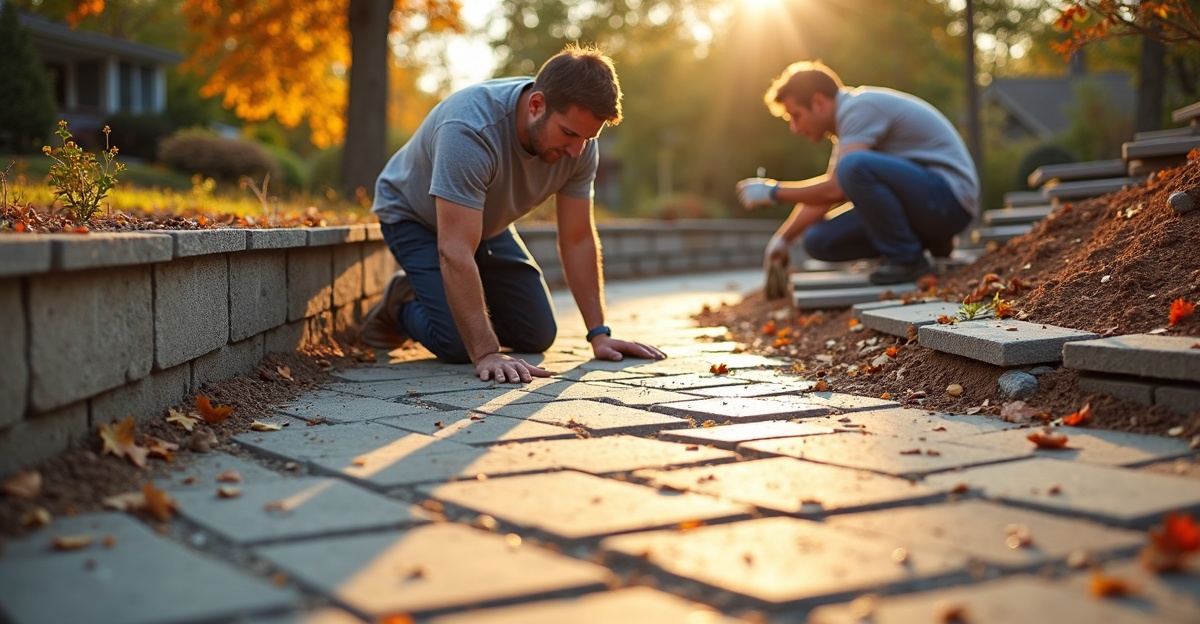
Outdoor living space ideas for backyard projects begin with proper base preparation, drainage planning, and materials that stand up to Minnesota freeze-thaw cycles before we focus on visual upgrades. We see the best long-term results when we phase construction, address soil conditions, manage slope correctly, and build patios and features that handle local climate demands.
Key Takeaways
- We build a stable, well-compacted base and correct drainage first to prevent heaving, settling, and expensive patio repairs in Minnesota soils.
- We often recommend interlocking concrete pavers because they deliver strong durability, flexibility, and long-term value in freeze-thaw conditions.
- We install retaining walls with proper footing depth and integrated drainage to control erosion and create level, usable yard space.
- We add fire features, outdoor kitchens, and covered structures after we secure core structural elements and account for seasonal weather loads.
- We plan projects in phases—starting with site preparation and primary patio construction—so we manage backyard renovation costs and protect completed improvements.
Build the Foundation Right: Patios, Base Prep, and Drainage That Last in Minnesota
Outdoor living space ideas for backyard projects should begin with what we don’t see—the base and drainage system. A great-looking patio will fail fast if the ground beneath it isn’t built for Minnesota conditions.
Every lasting project starts below grade. We excavate to the proper depth, install a compacted aggregate base, and fine-tune grading so water moves away from patios and foundations. In Scott, Carver, Dakota, and Hennepin Counties, clay-heavy soils hold water and shift during freeze-thaw cycles, as documented by regional climate data from University of Michigan showing repeated freeze–thaw patterns in Minnesota. Spring snowmelt and heavy rain events only add pressure.
That’s why we pay close attention to freeze thaw patio materials and how they sit on the base. Even the best pavers can’t compensate for poor preparation. Improper base work leads to heaving, settling, and water pooling. Over time, joints separate and edges sink. Repairs then cost far more than doing it right from the start.
Backyard drainage solutions come first, before aesthetics. We correct slope issues, extend or reroute downspouts, and install drain tile where needed. We also prevent erosion near foundations by managing runoff before it cuts through lawn or undermines hardscapes. Addressing these details early protects the entire investment.
Several factors affect cost at this stage:
- Site access for equipment
- Excavation depth required for proper base
- Removal of old concrete or failing patios
- Soil corrections in unstable or saturated areas
- Retaining walls needed to manage grade
Short-term savings in excavation and base depth often lead to long-term problems. We focus on durability and stability because that’s what holds up through Minnesota winters.
Backyard Patio Designs Built for Shakopee Homes
Backyard patio ideas Minnesota homeowners consider should reflect how families actually use the space. Entertaining, grilling, watching kids play, or simply sitting outside after work all require thoughtful layout and durable materials.
A well-built paver patio Shakopee homes rely on starts with material selection. Concrete pavers, poured concrete, and natural stone each have a place. In freeze-thaw climates, flexibility matters. Poured concrete looks clean on day one, but it tends to crack as soils shift. Repairs are visible and often require patching or replacement sections.
Interlocking concrete pavers perform better long term. They flex slightly with ground movement. Individual pieces can be replaced if damaged. With proper joint sand and base prep, they hold lines well through seasons of expansion and contraction.
Natural stone offers a timeless appearance. It carries a higher material and labor cost and requires careful installation. For many projects, concrete pavers strike the right balance between durability, appearance, and budget.
Layout deserves as much attention as materials. Hardscaping ideas for backyard spaces should consider:
- Traffic flow between house, grill, and yard
- Defined dining and lounge zones
- Grill placement with safe clearances
- Step transitions with proper rise and run
- Space for snow storage during winter
These details make daily use easier and prevent frustration later.
Maintenance expectations should stay realistic. Paver patios need occasional joint sand refresh. Some surfaces benefit from sealing, depending on finish and exposure. Each spring, we recommend a quick inspection for minor adjustments after snowmelt.
Backyard renovation cost Minnesota homeowners plan for depends on square footage, material choice, border details, and whether the layout includes curves or straight runs. Intricate patterns and multiple elevation changes increase labor time.
We often recommend a phased approach. Start with a well-built patio. Over time, additional features can tie into that strong foundation without tearing apart finished work.
Managing Slopes with Retaining Walls That Add Function and Value
Retaining wall ideas for backyard projects should solve a problem before adding style. Many Shakopee-area lots include noticeable grade changes. Without proper support, slopes erode, patios shift, and water flows where it shouldn’t.
Retaining walls create usable, flat space for lawn, gardens, or seating areas. They also control erosion and direct water safely away from structures.
Structural preparation matters here as much as with patios. We excavate and install a compacted base below frost depth. We add proper drainage behind the wall to relieve hydrostatic pressure that can build behind retaining structures. In Minnesota, frost depth requirements can’t be ignored. A wall built too shallow will lean or push forward over time.
Segmental block walls offer consistency and engineered strength. Many systems allow for geogrid reinforcement when walls reach certain heights. Natural stone walls provide a distinct look and require skilled placement to ensure stability.
Taller structures may require engineering and reinforcement. Wall height, total length, soil conditions, and stair integration all influence cost. Geogrid layers and stepped designs add labor and material.
Addressing slope issues early prevents ongoing settlement and drainage headaches. A solid wall often protects nearby patios and landscaping for decades.
Fire Features and Outdoor Kitchens Designed for Seasonal Use
Backyard fire pit ideas remain popular because they bring families together. In Minnesota, cool spring evenings and extended fall weather make a fire feature practical, not excessive.
Wood-burning fire pits offer a traditional feel and the sound many people enjoy. Gas options provide convenience, consistent flame control, and a cleaner burn. Smokeless designs reduce shifting smoke patterns. Built-in seating walls can define the space and tie into the patio.
Our landscape fire features are installed with proper base support and safe gas line placement. We account for shutdown procedures during winter and protect connections from freeze damage.
Minnesota outdoor kitchen ideas need similar realism. Built-in grills, side burners, prep counters, and sometimes refrigeration create strong gathering spots. Appliances must be selected for outdoor use in cold climates. Gas, electric, and water lines require trenching at appropriate depths.
Utility work significantly affects backyard renovation cost Minnesota homeowners should expect. Appliance quality also plays a major role. High-end stainless components cost more upfront but typically last longer.
Maintenance is straightforward but necessary:
- Cover appliances when not in use
- Winterize water lines before freezing temperatures
- Clean surfaces regularly to prevent staining and corrosion
We view these additions as practical upgrades that extend how families gather outdoors. They shouldn’t feel unnecessary or out of reach. We recommend adding them when the main patio and structural elements are already solid.
Covered Structures and Lighting for Comfort, Safety, and Longer Use
Covered patio ideas cold climate homeowners consider must account for Minnesota residential snow load requirements and frost depth. Pergolas provide shade and architectural interest. Roofed patios offer greater protection from sun and light rain. Footings should extend below the frost line to prevent movement over time.
These structures allow for heaters, ceiling fans, and integrated lighting. Shade during peak summer hours makes a patio usable throughout the day.
Outdoor lighting for backyard spaces improves safety and extends evening use. We typically incorporate:
- Step lights
- Pathway lights
- Under-cap wall lighting
- Task lighting near grills
Thoughtful placement prevents glare and harsh shadows. Proper lighting increases winter traction visibility and clearly defines step transitions. It also supports security without overpowering the space.
We strongly recommend planning wiring during initial patio construction. Running conduit and laying lines before final surfaces go in avoids cutting into finished hardscapes later. This approach protects both appearance and budget.
Our landscape lighting designs focus on subtle, functional illumination rather than excessive brightness.
Planning Your Backyard Renovation: Phased Improvements, Budget Expectations, and What to Expect During Construction
Outdoor living space ideas for backyard projects need a clear plan. We often structure work in phases to make investment manageable and logical.
- Phase 1: Drainage, excavation, and a primary patio
- Phase 2: Retaining wall or fire feature additions
- Phase 3: Covered structure or outdoor kitchen once the foundation is proven
The process typically starts with a design consultation and material selection. Our outdoor living design planning evaluates slope, soil, and layout before we build. Permitting may apply depending on wall height, structures, or utilities. Construction windows in Minnesota concentrate between late spring and fall, with weather always a factor.
Backyard renovation cost Minnesota residents plan for depends on site prep, equipment access, slope challenges, material tier, utilities, and custom features. Tight access may require smaller machinery and more labor. Steeper grades increase structural demands.
During construction, equipment will be on site. Lawn areas may experience temporary disruption. Weather can cause short delays. We communicate clearly about schedule, progress, and next steps so expectations stay realistic.
Choosing a qualified landscape contractor Shakopee homeowners trust matters. Local soil knowledge, frost requirements, and drainage experience cannot be guessed. As a team focused on craftsmanship and accountability from consultation to final walkthrough, we build spaces meant to last.
Those ready to explore practical options can review our project gallery for examples of completed work. When it makes sense to move forward, we welcome a conversation through our contact page to schedule a site visit and discuss solutions that fit the space and long-term goals.
Frequently Asked Questions
The best outdoor living space ideas for backyard areas in cold climates focus on durability and weather resistance. Interlocking concrete pavers, proper drainage systems, and frost-protected footings help prevent shifting and cracking. Adding fire features, covered patios, and outdoor lighting extends seasonal use while ensuring structures can handle snow load and freeze-thaw cycles.
The cost to build an outdoor living space in Minnesota typically depends on site preparation, patio size, material selection, and added features like retaining walls or outdoor kitchens. Projects requiring excavation, drainage correction, or utility trenching increase overall investment. Phased construction can help manage budget while ensuring the structural foundation is completed correctly first.
You may need a retaining wall for a sloped backyard patio if the grade change affects stability or drainage. Retaining walls create level surfaces, control erosion, and redirect water away from patios and foundations. Proper footing depth and drainage behind the wall are essential to prevent leaning or failure over time.
The main difference between concrete and pavers for backyard patios is flexibility and long-term performance. Poured concrete can crack when soil shifts in freeze-thaw climates. Interlocking pavers move slightly with ground changes and allow individual pieces to be replaced. This flexibility often makes pavers more durable and easier to maintain.
The best time to start a backyard renovation project in Minnesota is late spring through early fall. Warmer temperatures allow proper base preparation, drainage installation, and material setting. Planning during winter or early spring can help secure scheduling and permits so construction can begin once ground conditions are suitable.