

Landscape Installation Process Explained
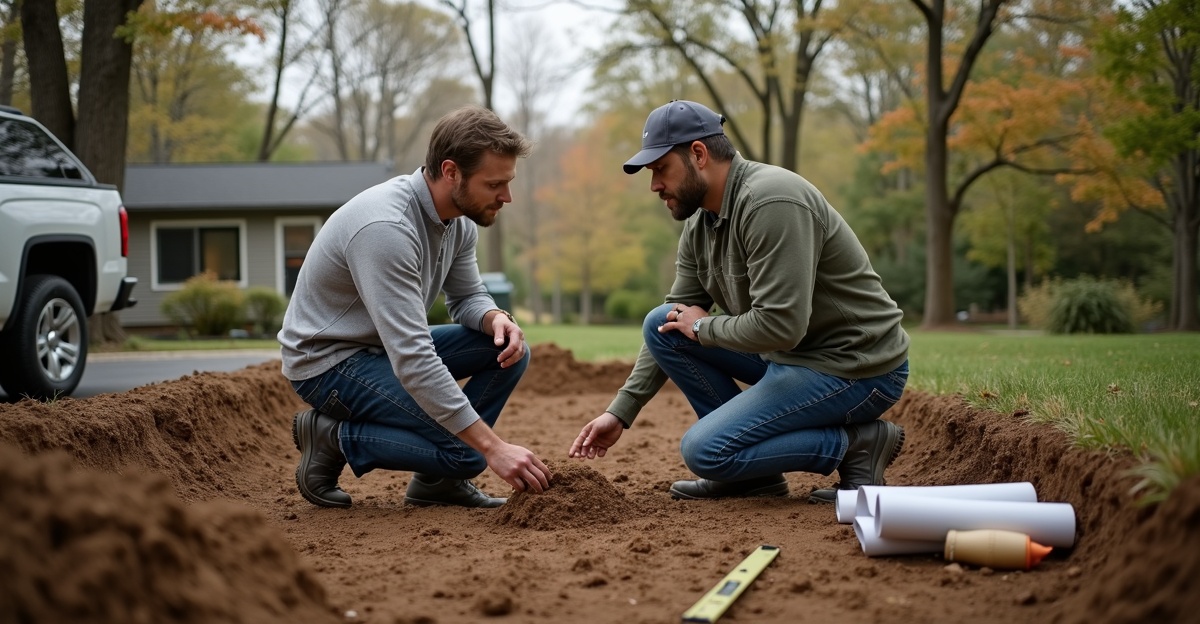
The landscape installation process follows a clear, proven sequence that protects long-term performance and visual appeal. We begin with an on-site consultation and detailed property evaluation, where we assess soil conditions, drainage patterns, grading, and overall project goals before any design work starts. Early clarity prevents costly adjustments later. From written proposals and scheduling through base preparation, hardscape installation, planting, and a final walkthrough, we focus on structural strength, freeze-thaw resilience, and consistent communication to ensure dependable performance in Minnesota’s demanding climate.
Key Takeaways
- A successful project starts with an on-site consultation, defined goals, and a thorough evaluation of grading, drainage, utilities, and clay soil conditions.
- Design decisions center on water control, correct slope, proper base depth, and durable materials that withstand Minnesota freeze-thaw cycles.
- Written proposals define scope, drainage strategy, installation phases, change order procedures, and realistic scheduling timelines.
- Proper excavation, geotextile separation, and compacted aggregate base layers prevent settling and structural movement.
- Final walkthroughs, site cleanup, and maintenance guidance protect patios, retaining walls, drainage systems, and plantings for lasting performance.
What Happens First: Consultation, Site Visit, and Clear Expectations
Every successful landscape installation process step by step begins with a conversation on site. We walk the property together in Shakopee, Scott County, Carver County, Dakota County, or Hennepin County and talk through how the space is actually used.
We start with goals. That may include patio installation, retaining walls, drainage solutions for a Minnesota yard, or a full outdoor living space. Some homeowners want a place to host. Others need to solve standing water or a failing wall. Understanding priorities early keeps the project grounded in function, not just appearance.
Next comes a detailed site evaluation. Minnesota soils are often clay-heavy. Clay holds water, expands when frozen, and shrinks in dry periods. We check grading, existing drainage patterns, proximity to foundations, utility lines, and any easements that affect layout. We also look at access for equipment and material staging.
Freeze-thaw landscape construction concerns — particularly those related to frost heave and seasonal soil movement — are identified right away. Pavers and retaining walls must be built to handle seasonal movement. If water has nowhere to go, surfaces will shift. Addressing those risks early prevents callbacks later.
Homeowners also deserve to know what to expect during patio installation. There will be noise. Equipment will move through the yard. Materials will be stacked in a designated area. Turf disruption is temporary but necessary when excavation begins. We explain all of this before work starts.
Clear communication sets the tone. We provide written proposals with a defined scope of work. We review the expected landscape project timeline Minnesota projects require, including weather variables. We explain how change orders are handled so there are no budget surprises.
For those evaluating how to choose a landscape contractor in Shakopee, this phase matters most. Straight answers, site-specific recommendations, and defined expectations are signs of a contractor who stands behind their work. Our approach to landscape installation in Shakopee MN is built on that foundation.
Design Development and Material Selection Built for Minnesota Conditions
Once goals are defined, we translate them into a workable design. Layout decisions must respect water flow, elevation shifts, and soil behavior. A patio that looks good on paper but traps runoff will fail fast.
Proper grading and drainage planning drive every strong design in a freeze-thaw climate. We control slope so water moves away from foundations and hardscapes. Even a quarter inch per foot makes a difference. That slope protects pavers, walls, and plantings.
Material selection follows function. Pavers are chosen for thickness and interlocking strength. Retaining wall block must match the height and load it will support. Natural stone needs stable base preparation. Edging materials anchor borders so surfaces don’t creep outward.
Plantings are selected for Minnesota hardiness. We factor in sun exposure, soil type, and long-term growth. Foundation plantings should not overwhelm siding or root into hardscapes over time.
Drainage solutions Minnesota yard projects commonly require include:
- Channel drains across patio openings
- Catch basins in low spots
- Buried downspout extensions
- Slope corrections along foundations
Installing these during initial construction is far easier than retrofitting later.
Decisions made during design directly affect the hardscape installation process and future maintenance. A deeper base may cost more upfront but prevents settling. The right wall reinforcement avoids costly rebuilds. Design is not about decoration alone. It is structural planning for clay soils and shifting seasonal moisture.
Homeowners who want to explore layouts often start with our outdoor living design services. A clear plan keeps construction efficient and predictable.
Written Proposal, Scope of Work, and Scheduling the Project
After design approval, we issue a detailed written estimate. Materials, labor, equipment, site preparation for pavers, and drainage components are clearly listed. Transparency keeps everyone aligned.
We outline the retaining wall installation steps included in the scope. That may involve:
- Excavation to required depth
- Leveling pad construction
- Drainage aggregate placement
- Geogrid reinforcement if required
- Final grading
The paver patio installation process components are defined as well, from base preparation through joint sand and compaction.
Drainage integration is spelled out. If buried lines or catch basins are part of the project, they are included in the written scope so nothing is vague.
Realistic scheduling follows. The landscape project timeline Minnesota homeowners experience depends on permitting, material lead times, and weather. Spring rain can delay excavation. Summer heat can slow crews. We account for those variables and communicate updates as needed.
If adjustments occur after work begins, change orders are documented in writing. Pricing changes are discussed before additional work proceeds. That protects both the homeowner and our crew.
From consultation through final walkthrough, we take ownership of planning and coordination. Homeowners who prefer a single point of accountability often appreciate our full project management approach. It keeps communication simple and consistent.
Site Preparation and Base Installation: The Foundation That Determines Longevity
Excavation sets the stage for everything that follows. Depth depends on soil conditions and load requirements. A standard patio requires less depth than a driveway or a tall retaining wall. Clay soils often demand deeper excavation to reach stable subgrade.
Organic material is removed completely. Topsoil cannot support hardscape. In many cases, we install geotextile fabric to separate clay from aggregate base, a method supported by geotextile separation and subgrade stabilization guidelines. That added layer improves long-term stability.
Aggregate base is placed in measured lifts and compacted thoroughly. Each layer is compacted before the next is added. Skipping this step leads to settlement. Minnesota’s freeze-thaw cycles will expose any shortcut quickly.
Grading corrections are built into this phase. We shape the base so water flows where it should. Erosion control is addressed before surface materials are installed. Drainage solutions Minnesota yard properties often require—such as installing catch basins or adjusting downspout discharge—are completed now, while excavation is open.
Most long-term hardscape failures trace back to base preparation, not the paver or block itself. Solid materials installed over weak preparation will still move. A properly compacted base, built to depth, gives patios and walls the support they need to perform for decades.
Hardscape, Softscape, and Structural Installation
With the base complete, we begin surface installation. The paver patio installation process starts with a screeded bedding layer that creates a uniform setting bed. Pavers are placed in pattern, cut as needed for clean edges, and secured with edge restraints. Joint sand is swept in and compacted to lock everything together.
Retaining wall installation steps follow a similar discipline. We prepare a level base, set the first course with precision, and check alignment continuously. Drainage aggregate is placed behind the wall and compacted in lifts. Reinforcement is added where required by height or soil pressure. Proper backfill keeps hydrostatic pressure behind retaining walls from building up.
Steps, edging, and structural details are built alongside the primary surfaces. Conduit for low-voltage lighting is installed before final surfaces are closed. Coordinating these elements prevents rework. Our hardscape construction services cover patios, walls, steps, and integrated features.
Softscape installation comes after heavy equipment work is complete. Soil is prepared and amended as needed. Plantings are installed with proper spacing and depth. Mulch is applied to retain moisture and protect roots. Initial watering plans account for Minnesota growing conditions and seasonal timing.
Sequencing matters. We keep equipment off finished surfaces whenever possible. Work flows from the inside out so completed areas stay intact.
Throughout installation, performance remains the priority. Good alignment and tight joints look sharp, but drainage, compaction, and reinforcement determine whether the project survives the next freeze-thaw cycle.
Cleanup, Final Walkthrough, and Long-Term Care Guidance
When construction wraps up, we complete a thorough site cleanup. Excess materials are removed. Surfaces are washed where appropriate. Adjacent turf is graded and stabilized.
A final walkthrough follows. We review the scope of work line by line and confirm that expectations are met. Any operational elements, such as drains or lighting, are demonstrated on site. Questions are addressed face to face.
Maintenance guidance is part of every handoff. Joint sand may settle slightly after the first season and can be topped off if needed. De-icing products should be chosen carefully for pavers. New plantings require consistent watering during establishment. Drainage systems should be checked periodically to ensure debris is not blocking flow.
Long-term performance depends on basic care and informed use. We remain available after completion. Homeowners often explore additional features later, whether that is lighting, a fire feature, or expanded gathering space. Inspiration is available in our outdoor living space ideas and examples of past projects on our project gallery.
For those researching the landscape installation process step by step and weighing options for landscape installation Shakopee MN properties, the next practical step is a site visit. We encourage scheduling a consultation through our contact page to review specific goals and conditions across Shakopee and surrounding counties.
Frequently Asked Questions
Most landscape installation projects take anywhere from a few days to several weeks, depending on scope, weather, and material lead times. Patios and small drainage fixes may be completed quickly, while multi-phase projects with retaining walls, grading changes, and planting typically take longer. Spring rains and freeze-thaw timing can also affect excavation and compaction windows.
In Minnesota, paver performance depends on a properly excavated and compacted aggregate base designed for freeze-thaw movement. Base depth varies by soil type, use, and load, but clay soils often require deeper excavation to reach stable subgrade. A geotextile separator and compacted base layers help prevent settling, heaving, and edge creep over time.
The biggest mistakes usually involve water control and base preparation. Poor grading, missing drainage components, and shallow or poorly compacted base layers often lead to shifting pavers, wall movement, and standing water. Another common issue is changing the plan mid-build without written change orders, which can create budget surprises and scope confusion.
Yes, drainage planning should happen before hardscape surfaces are installed. Catch basins, downspout extensions, slope corrections, and channel drains are easiest to add during excavation, not after surfaces are finished. Integrating drainage early protects foundations and prevents hydrostatic pressure behind retaining walls, which is a major cause of structural failure.
Late spring through early fall is typically the best window because soils are workable and plants establish more reliably. Early spring can bring saturated ground that delays excavation, while late fall can reduce planting success and limit proper compaction if temperatures drop. A site visit helps confirm timing based on drainage, soil conditions, and project complexity.