

How to Plan a Full Yard Makeover
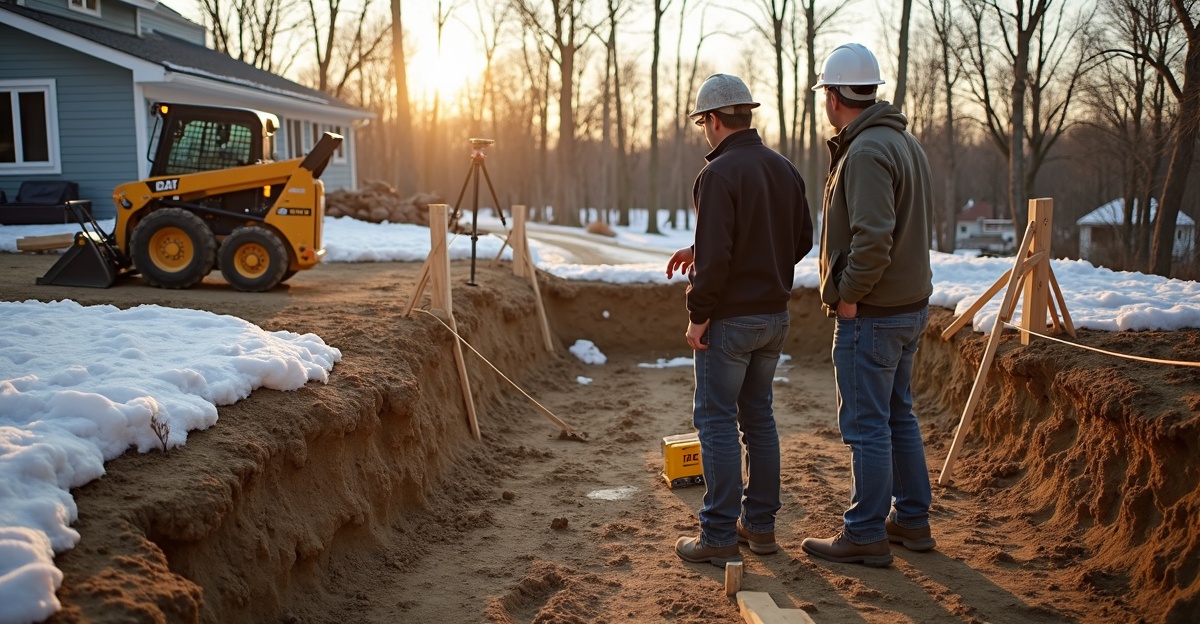
Learning how to plan a complete yard makeover starts with clear goals, a realistic budget, and a firm focus on structural priorities like grading, drainage, and retaining wall stability before we think about finishes. We approach every full yard transformation in Minnesota with a detailed site review, phased design planning, proper permits, and a clear understanding of freeze-thaw cycles, soil movement, and long-term durability.
Key Takeaways
- We define function, budget, and scope first, and we prioritize safety, drainage, grading, and structural stability before aesthetic upgrades.
- We conduct a thorough site assessment to identify soil conditions, water flow concerns, failing hardscapes, and access limits before design begins.
- We build a phased design plan that addresses base preparation, retaining walls, and patio foundations that can handle Minnesota’s freeze-thaw cycles.
- We plan for realistic timelines, permitting requirements, seasonal weather delays, and material lead times common across the Midwest.
- We choose contractors who communicate clearly, document scope and change orders, and focus on proper compaction, drainage control, and long-term performance.
Start With the “Why”: Define Goals, Budget, and Scope Early
Every successful yard transformation begins with clarity. Before choosing pavers, plants, or fire features, we define how the space needs to function. That’s the foundation for how to plan a complete yard makeover the right way.
Function comes first. Trends fade. A patio that’s too small for gatherings or a yard that holds water after every rain quickly outweighs any style choice. We always ask practical questions early:
- Do we need better drainage or grading correction?
- Are retaining walls leaning or starting to fail?
- Is the current patio settling or undersized?
- Has maintenance become overwhelming?
These questions shape backyard renovation planning far more than color palettes do.
We establish priorities in order. Safety and structure come first. That means grading and drainage correction, stabilizing soils, and addressing aging retaining walls. Next comes comfort and usability, including paver patio installation planning and thoughtful outdoor living space planning. Aesthetics come last. When the foundation is sound, the finishing details hold their value.
Budget conversations should happen early and honestly. Backyard renovation cost Minnesota projects vary significantly. Size of the yard, choice of materials, site access, clay-heavy soils common in our area, demolition needs, drainage solutions, and labor intensity in the Shakopee area all affect the final number. A full yard makeover isn’t limited to luxury additions. In many cases, it protects the home’s foundation, improves drainage, and prevents long-term structural damage.
We also address common concerns upfront:
- Budget overruns often stem from unclear scopes.
- Scope creep happens when decisions get delayed.
- Timeline delays occur due to Midwest weather.
- Hidden drainage or grading issues appear mid-project if we fail to inspect properly.
Clear yard makeover planning steps reduce those risks. Detailed site assessments, written scopes, and realistic timelines keep projects grounded. When expectations are defined early, projects move forward with fewer surprises.
Assess Your Property’s Current Conditions Before Designing Anything
A proper evaluation comes before any drawings. We walk the entire property and document what’s really happening.
Low spots and standing water point to the need for yard drainage solutions Minnesota homeowners often overlook. Clay soils in this region make drainage slow and unpredictable because clay soils drain slowly and compact easily, which affects grading and root health. Evidence of erosion or soil shifting tells us where compaction or reinforcement is required. Failing steps, sinking patios, or leaning walls signal deeper base and structural concerns.
Grading and drainage correction must happen before installing new hardscapes. Installing beautiful stone over unstable soil leads to cracking and settling, especially in Minnesota’s freeze-thaw cycle. Frost depth and seasonal ground movement demand deep, properly compacted base preparation. That isn’t an upgrade. It’s a requirement for durability.
Shakopee and surrounding Scott, Carver, Dakota, and Hennepin Counties experience heavy spring runoff. Snowmelt combined with rain saturates soils quickly. If slopes direct water toward the home, problems multiply, which is why proper grading to direct water away from foundations is recommended. Redirecting flow early prevents costly issues later.
Access constraints matter, too. Narrow side yards, fences, utilities, and tight property lines impact equipment staging and labor efficiency. These factors influence both pricing and scheduling.
Drainage or grading problems discovered mid-project are common when skipped during planning. That’s why we treat evaluation as part of the landscape design process Minnesota homeowners rely on for long-term performance. If retaining walls are involved, we follow a careful retaining wall planning guide approach—considering soil pressure, proper drainage behind retaining walls, and proper base installation.
Strong base prep, correct slope, and thorough compaction protect every dollar invested in the finished surface.
Create a Realistic Design and Phasing Plan
Once we understand site conditions, we move into structured design. The landscape design process Minnesota homeowners can expect typically includes site assessment, a concept layout, material discussions, and scope refinement.
We prioritize structural components first. Any retaining wall planning guide must consider proper engineering, block systems rated for Midwest conditions, and drainage aggregates behind the wall. Walls hold back soil. Their integrity affects everything above and below them.
Paver patio installation planning demands attention to base depth suited for freeze-thaw cycles. Edge restraints, compaction lifts, and slope away from the foundation protect the installation for decades. Shortcuts here show up quickly after a few winters.
Outdoor living space planning ties features together. Flow between patios, walkways, fire features, and planting beds should feel natural and support how the space is used. Layout decisions should work with existing drainage patterns rather than fight them.
If budget or timing limits full construction at once, we create phasing strategies. Phasing allows homeowners to complete structural groundwork first and add features later without tearing out finished work. Coordinated staging prevents disjointed, piecemeal additions that rarely align visually or structurally.
For those considering cooking and dining areas, our outdoor kitchens and dining areas planning is integrated into the larger yard vision, so utilities, traffic flow, and drainage are addressed early.
Material selection should focus on Midwest-rated durability over short-lived trends. Natural stone, quality pavers, proper adhesives, and drainage systems outperform bargain substitutes in our climate.
A realistic landscaping project timeline Midwest projects require depends on project size, crew scheduling, and season. Planning several months ahead is often wise, especially for larger renovations that need excavation and concrete base work.
Understand Permitting, Timeline, and Seasonal Realities in Minnesota
Permitting rules vary by municipality across Scott County and neighboring counties. Some projects need wall height approvals, drainage plans, or setback verification under local permitting requirements for retaining walls and grading. We confirm local requirements before construction begins to avoid delays.
Construction season in Minnesota follows predictable patterns. Spring brings heavy demand and occasional thaw-related soil limitations. Summer allows steady progress but often books quickly. Fall pushes toward completion before freeze. Weather fluctuations can shift schedules, so flexibility must be built into every landscaping project timeline Midwest homeowners consider.
Lead times for materials also matter. Specialty pavers, wall systems, and lighting fixtures may require ordering well in advance. Partnering with an experienced Shakopee landscaping contractor reduces guesswork.
Clear communication milestones make projects smoother. We recommend:
- A pre-construction meeting to review scope and expectations.
- A written schedule overview clarifying sequencing.
- A defined change order process to keep adjustments documented and transparent.
Weather delays are unavoidable in the Midwest. Experienced teams plan around seasonal variability by sequencing drainage and base work strategically. Close coordination prevents unnecessary downtime.
Homeowners who want to see how projects come together can review our landscape installation process explained to better understand each stage from preparation to final walkthrough. Hands-on involvement throughout the project ensures accountability and clarity.
Choosing the Right Contractor and Protecting Your Investment
Significant grading changes, structural retaining walls, drainage corrections tied to foundation protection, or large-scale backyard renovation planning often require professional expertise. Knowing how to choose a landscaping contractor is essential for protecting long-term value.
We encourage homeowners to ask direct questions. Clarity early prevents future stress.
Key questions to raise:
- What is included in site prep and compaction?
- How are slope and drainage calculated?
- What permits are required locally?
- What is a realistic landscaping project timeline Midwest projects follow?
- How are budget overruns or scope changes handled?
- How are hidden drainage issues addressed if discovered?
These conversations reveal whether a contractor understands freeze-thaw cycles, proper base depth, and communication standards.
For those weighing options, reviewing examples in a local project gallery helps clarify craftsmanship and design cohesion. Experience with full transformations matters. Coordinated work through full project management keeps phases aligned and avoids conflicting trades.
As a Shakopee landscaping contractor, we focus on durability, clear expectations, and accountability from consultation through final walkthrough. We don’t push upgrades that don’t fit the property. We recommend what makes sense structurally and financially.
Homeowners ready to explore how to plan a complete yard makeover in Shakopee, Scott County, Carver County, Dakota County, or Hennepin County can start with a site visit and open discussion. Scheduling a consultation through our contact page begins the process. The goal is simple: create a yard that works hard, lasts through Minnesota winters, and supports daily life for years to come.
Frequently Asked Questions
The cost of a complete yard makeover in Minnesota typically ranges from moderate five figures to significantly more, depending on size and complexity. Pricing depends on grading work, drainage solutions, retaining walls, patio installation, access constraints, and material choices. Clay soils, freeze-thaw preparation, and permit requirements can also increase labor and base preparation costs. A detailed site evaluation provides the most accurate estimate.
Planning and construction for a full yard renovation often take several weeks to a few months. Design, permitting, material ordering, and contractor scheduling affect the timeline before work begins. Construction length depends on excavation needs, drainage corrections, retaining wall installation, and weather delays. In the Midwest, seasonal conditions and freeze-thaw cycles must be factored into scheduling.
The most common mistake when planning a yard makeover is prioritizing aesthetics before fixing structural issues. Skipping grading correction, drainage improvements, or proper base compaction leads to settling and cracking. Another frequent error is underestimating budget for soil conditions or access limitations. Clear scope definition, phased planning, and professional site assessment reduce costly surprises.
You may need permits for a backyard renovation if it involves retaining walls over certain heights, significant grading changes, drainage modifications, or structures near property lines. Permit requirements vary by municipality and county. Confirming setbacks, wall height limits, and drainage compliance early prevents delays. A knowledgeable contractor typically helps coordinate local approvals.
The best time to start planning a yard makeover in Minnesota is late winter or early spring. This allows time for design, permitting, and securing materials before peak construction season. Actual construction typically runs from late spring through fall, depending on soil thaw and weather. Early planning helps secure contractor availability and avoids rushed decisions.