

How to Design an Outdoor Living Space
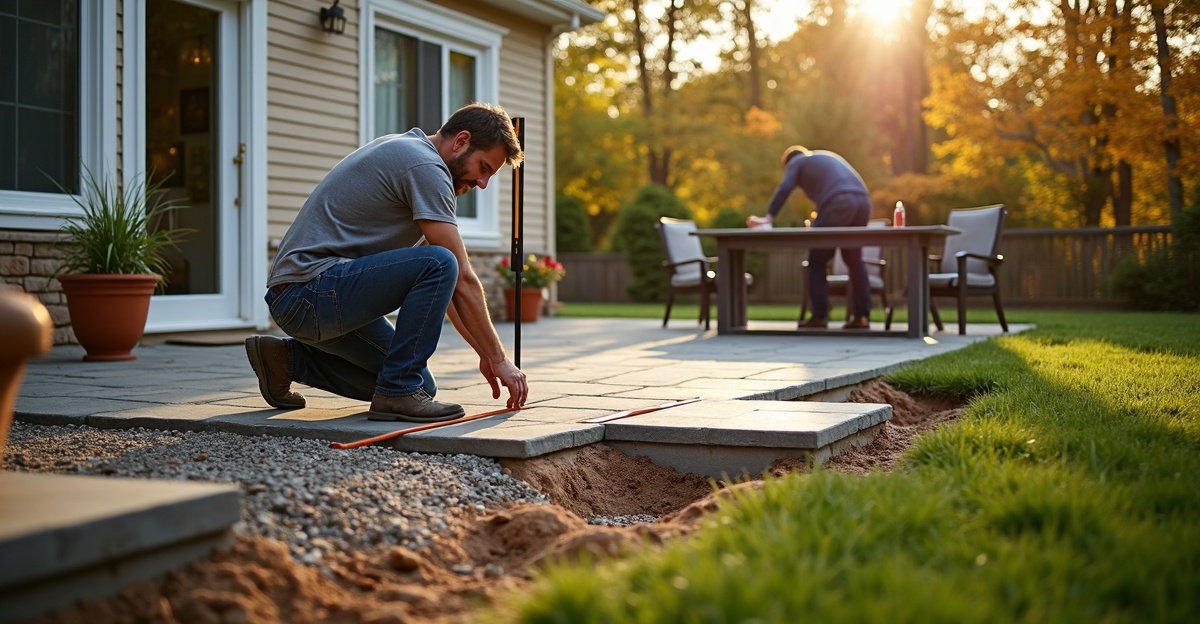
Knowing how we design an outdoor living space starts with defining daily function, then building around real furniture dimensions, property grading, and Minnesota’s freeze-thaw conditions. We create durable spaces by addressing drainage, base preparation, material performance, utility planning, and long-term maintenance before we install any surface features.
Key Takeaways
- We define the primary use of the space first, then we size the patio around actual furniture footprints and clear traffic flow.
- We evaluate grading, soil type, drainage patterns, sun exposure, and privacy before we finalize any layout.
- We prioritize proper excavation depth, a compacted aggregate base, and smart water management to prevent shifting and frost damage.
- We choose materials that handle freeze-thaw cycles, moisture, and de-icing products while aligning with realistic maintenance expectations.
- We plan utilities, snow management, permits, and structural costs early to protect long-term value and avoid costly modifications later.
Start with Purpose: Define How We’ll Actually Use the Space
Strong outdoor living space design starts with function first and features second. Before selecting pavers, fire bowls, or string lights, we define how the space will serve daily life. That principle guides every decision about layout, patio size planning, and material selection.
Most projects fall into a few core use patterns. We typically identify one primary use and a couple of secondary uses:
- Entertaining large groups
- Quiet retreat space
- Outdoor dining
- Fire feature gatherings
- Kids’ play area
- Pet-friendly zones
For example, a family of five who entertains regularly needs separate dining and conversation areas. We design clear traffic paths so guests aren’t walking through seating clusters. We allow proper grill clearance and safe chair spacing. We make sure doors can swing fully without hitting furniture. Small oversights here create frustration that lasts for years.
Patio size planning should always begin with the furniture footprint. We lay out the table size, chair clearance, sectional depth, and grill dimensions first. Then we add circulation space. Too many patios are undersized because they were drawn around a decorative shape instead of real dimensions. A patio that looks fine on paper can feel cramped in real life.
Proximity to the house matters as well. Easy kitchen access influences smart outdoor kitchen design considerations. Bathroom proximity affects layout for larger gatherings. Door location determines traffic flow. We also check threshold height and ensure patio slope directs water away from the foundation.
Trends come and go. Daily usability does not. Instead of copying a Pinterest photo, we focus on long-term durability and how the space will function five or ten years from now.
For broader inspiration, we often reference practical outdoor living space ideas, but we always filter them through the lens of real use and realistic maintenance.
Assess Your Property Conditions Before Designing Anything
Understanding the land comes before drawing any layout. Minnesota properties each have their own grading patterns, soil conditions, and environmental factors. Ignoring those details creates expensive problems later.
Backyard grading Minnesota homeowners deal with often includes slope toward the house, low spots that collect water, and erosion along fence lines. Clay soils are common around the Shakopee area. Clay holds moisture, expands when wet, and shrinks when dry. That movement impacts drainage and long-term patio stability.
Drainage patterns are critical. During heavy summer storms or spring snowmelt, water follows predictable paths. We evaluate where runoff collects and how it exits the yard. Effective drainage solutions may include:
- Swales to redirect surface water
- Grading adjustments to improve slope
- Subsurface drain systems
Skipping this step invites standing water, frost movement, and structural shifting.
Sun and shade also influence layout. Morning sun differs from late afternoon exposure. Winter sun angles change snowmelt patterns near the home. Wind direction affects comfort around fire features. Snow drifting patterns may require berms or wind breaks.
Privacy planning deserves equal attention. Neighbor sightlines, fencing, mature trees, and grade changes all factor into design decisions. Sloped lots often require careful retaining wall design to create usable levels while maintaining proper drainage flow.
These structural and environmental factors matter far more than surface aesthetics. A patio can look impressive on day one. If the base shifts or water pools, appearance will not save it.
Build It on a Solid Foundation: Drainage, Base Prep, and Retaining Walls
Minnesota’s freeze-thaw cycle drives much of how we build. Moisture expands when it freezes and contracts when it thaws. That repeated movement causes shifting, cracking, and heaving if the base is not prepared correctly.
Freeze-thaw cycle patio risks increase dramatically when excavation depth is too shallow or aggregate layers are not compacted properly. We excavate based on soil conditions and Minnesota state frost depth requirements, then install and compact multiple layers of aggregate. Proper slope directs water away from the foundation and off the patio surface.
Effective erosion control protects that base. Perimeter drains, swales, and grading corrections manage water before it can saturate the subgrade. This process protects the hardscaping Minnesota homes depend on year after year.
Retaining wall design becomes necessary when elevation changes need stabilization. On sloped lots, walls manage lateral soil pressure behind retaining structures and prevent movement. Properly engineered walls also improve usable space and control runoff paths.
We account for de-icing salt and snow loads during structural planning. Snow storage areas must be designated so patio edges do not crack under repeated plow impact.
Surface appearance matters. Base preparation matters more. The unseen structural work determines whether a patio lasts for decades or needs repairs after a few winters.
Choose Materials That Can Handle Minnesota’s Climate
Material selection should reflect climate reality. Backyard patio design Minnesota homeowners choose must withstand temperature extremes and heavy moisture cycles.
Paver patio installation often performs better than poured concrete in freeze-thaw conditions. Individual pavers flex slightly with ground movement. Concrete slabs, by contrast, are more prone to visible cracking over time.
Natural stone requires careful selection. Frost resistance, thickness, and correct installation all influence performance. Thinner materials without proper support frequently shift or crack during winter.
Joint materials matter as well. Polymeric sand helps resist washout during heavy rain and reduces weed growth. However, proper installation and periodic inspection remain essential.
De-icing salt affects certain concrete surfaces and some natural stones. We recommend using products compatible with your selected materials and applying them in moderation when possible.
Maintenance expectations should remain realistic. Typical upkeep includes:
- Periodic sealing for select materials
- Refreshing joint sand when needed
- Minor leveling adjustments over time
Every exterior surface requires some level of maintenance. Durability first, aesthetics second remains our guiding principle.
When we provide hardscape construction, we match materials to site conditions instead of recommending upgrades that do not improve long-term performance.
Plan Utilities, All-Season Use, and Realistic Budgeting
Utilities should be planned before installation begins. Cutting into finished surfaces later to add wiring or gas lines wastes time and money.
Outdoor lighting improves safety and extends usability into fall and winter evenings. Low-voltage wiring should be installed during early construction stages. Thoughtful landscape lighting highlights steps, seating walls, and gathering areas while improving nighttime visibility.
Gas, electric, and water lines for grills and fire features require early coordination. Smart outdoor kitchen design considerations include routing infrastructure before surface installation. A properly planned outdoor kitchen and dining area depends on this preparation.
Irrigation adjustments may be necessary after grading changes. Snow removal access should also be mapped out to prevent edge damage and blocked drainage paths.
All-season design increases long-term value. Shade structures provide summer comfort. Wind breaks improve shoulder-season usability. Proper drainage protects surfaces during spring thaw.
Outdoor living space budget planning should focus on structural costs first. Major cost drivers typically include:
- Excavation and grading
- Base preparation
- Retaining walls
- Limited site access
- Utility installation
Surface materials represent only part of the total investment. Clear scope definition helps homeowners understand where complexity influences cost.
Value-based planning outperforms luxury upselling every time. A well-built, right-sized patio tailored to the property provides far more satisfaction than oversized features that create maintenance headaches.
Comprehensive coordination through full project management ensures each phase stays aligned from excavation to final walkthrough.
Permits, Property Lines, Maintenance, and When to Bring in a Professional
Local permits and setback requirements vary across Shakopee and surrounding counties. Retaining walls, outdoor kitchens, and certain structures may require approvals. HOA guidelines can also impact design decisions.
Property line verification prevents costly disputes. Before building permanent fixtures, boundaries and setbacks should be confirmed to avoid future removal or modification.
Long-term maintenance must be discussed during design. Drainage systems need periodic inspection. Sealing schedules should match selected materials. Joint sand should be evaluated after winter. Snow removal methods can impact edges and surfaces.
Red flags appear when contractors provide vague base prep descriptions, unclear drainage plans, or missing scope details. Ask specific questions about excavation depth, compaction methods, drainage strategy, and warranty coverage.
Knowing how to design an outdoor living space means balancing daily function, structural integrity, and realistic maintenance. Features matter. Foundation planning matters more.
For homeowners ready to evaluate grading, soil conditions, and layout possibilities, we offer guidance through a consultation. Our focus remains simple: build outdoor spaces that perform well, withstand Minnesota winters, and feel right for the people who use them every day.
Frequently Asked Questions
An outdoor living space should be sized around your furniture and traffic flow, not just the yard’s open area. Start with the dining table, seating depth, and grill footprint, then add at least 30–48 inches for walking clearance. Most entertaining patios range from 300 to 600 square feet, depending on guest count and layout complexity.
Interlocking concrete pavers are often the best choice for freeze-thaw climates. They flex slightly with ground movement, reducing visible cracking compared to poured concrete slabs. Proper base preparation and drainage are equally important. Natural stone can also perform well if it is thick, frost-resistant, and installed over a stable, compacted aggregate base.
Drainage planning starts with evaluating slope and water flow patterns across the property. The patio surface should slope away from the home at about 1/8 to 1/4 inch per foot, consistent with residential grading and drainage best practice standards. Swales, grading adjustments, and subsurface drains may be needed to redirect runoff. Managing water before installation prevents frost heave, settling, and long-term structural damage.
Utilities should be installed before any surface materials are placed. Gas lines, electrical conduit, lighting wire, and water connections must be routed during early construction stages. Installing them afterward often requires cutting into finished surfaces, increasing costs and compromising structural integrity. Early coordination also ensures code compliance and proper inspections.
Permits are often required for features like retaining walls, outdoor kitchens, roof structures, and gas lines. Requirements vary by city and county, and setback rules may restrict placement near property lines. Checking local regulations before construction prevents fines or forced removal. Homeowners associations may also have design approval guidelines.