

How to Choose a Landscaping Contractor
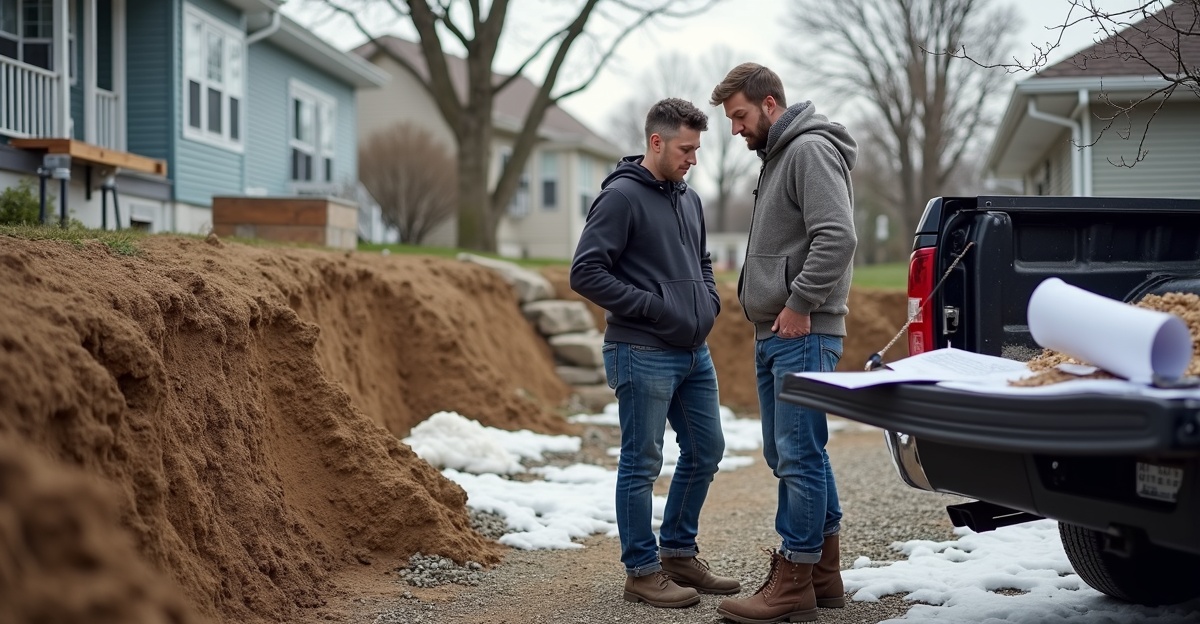
Choosing the right contractor requires more than comparing prices. We know that understanding how to choose a landscaping contractor protects our property from drainage failures, structural shifting, and expensive repairs. This guide explains what we need to verify before signing, how we compare bids correctly, and why local experience with Minnesota soil and freeze-thaw cycles directly affects long-term performance.
Key Takeaways
- We verify licensing, insurance, workers’ compensation coverage, and proper business registration before signing any contract.
- We define our project scope, long-term goals, and budget clearly so we receive accurate estimates and avoid costly change orders.
- We prioritize contractors with proven experience in local soil conditions, effective drainage solutions, and structural installations such as patios and retaining walls.
- We compare bids based on excavation depth, base preparation, drainage planning, material specifications, and warranty details—not price alone.
- We choose a contractor who communicates clearly, provides written documentation, and stands behind the work through Minnesota’s first full freeze-thaw cycle.
What to Look for Before Signing With Any Landscaping Contractor
Price gets attention, but structure, experience, and accountability protect the investment. Learning how to choose a landscaping contractor starts with verifying credentials and making sure the company can legally and properly perform the work.
Every licensed and insured landscaping contractor should carry:
- General liability insurance
- Workers’ compensation coverage
- Proper Minnesota business registration
Those three items protect homeowners from liability and protect workers on site under Minnesota workers’ compensation coverage requirements. We always recommend asking for proof directly. A reputable Minnesota landscaping contractor will provide documentation without hesitation.
Permit awareness also matters. In Shakopee and throughout Scott County, Carver County, Dakota County, and Hennepin County, patios, retaining walls, drainage systems, and larger outdoor living structures may require permits or have height and setback restrictions. A professional landscaping contractor in Shakopee should understand local requirements and handle the process correctly.
It’s also important to confirm whether the company is truly a design and build contractor or primarily a lawn maintenance provider. Installing paver patios, retaining walls, grading corrections, or drainage systems requires excavation experience, soil knowledge, and structural understanding. A company that mainly mows lawns may not have the equipment or technical background to build structures that withstand Minnesota winters.
Local soil and weather conditions make these distinctions even more important. Clay-heavy soils throughout Shakopee hold moisture. Freeze-thaw cycles expand and contract base materials. Spring runoff can stress retaining walls and patios if drainage isn’t handled properly. Snow and ice management add further pressure on hardscapes over time. These aren’t small details. They directly impact durability.
Define Your Project Scope Before Requesting Estimates
Clear direction leads to accurate pricing. Before collecting bids, we recommend defining the project’s purpose and long-term plan.
Start by identifying the type of contractor needed. Are we hiring a paver patio contractor Shakopee homeowners trust? A retaining wall contractor near us? A landscape drainage contractor to fix pooling water? Or a full outdoor living contractor Minnesota families rely on for structural builds?
Budget clarity matters just as much. Competitive pricing is healthy. Shopping strictly for the lowest bid often leads to missing scope items, change orders, and frustration. Many homeowners ages 30–65+ across Shakopee and surrounding counties tell us that unexpected cost increases were their biggest complaint in past projects. A defined scope prevents that.
Long-term planning also reduces regret. Consider:
- Are we solving drainage problems or focusing only on appearance?
- Is the patio large enough for future entertaining?
- Will retaining walls require engineering because of slope or height?
- How will snow removal impact edges and surfaces?
- Are future additions part of the plan?
When plans are clearly outlined, it becomes much easier to understand what to prepare before construction and easier to avoid costly oversights highlighted in common landscaping mistakes to avoid.
Asking detailed questions also helps during estimates. Homeowners who prepare thoughtful questions to ask a landscaping contractor tend to get more detailed proposals in return. That clarity makes how to compare landscaping bids far more straightforward.
Evaluate Experience With Similar Local Projects
Experience in similar conditions is essential. Photos of palm trees and coastal projects don’t help much in Minnesota.
Look for portfolios that include:
- Paver patios
- Retaining walls
- Grading corrections
- Drainage solutions
Ask specifically for examples completed in Shakopee or nearby communities. A Shakopee landscaping company should understand how soil conditions affect performance. Minnesota winters are unforgiving. A patio that isn’t installed with proper base depth in Minnesota can shift after the first thaw. Freeze-thaw cycles expand and contract improperly prepared surfaces due to frost heave and seasonal soil movement. Clay-heavy soil in Shakopee can retain moisture and create movement without proper compaction and drainage planning.
Reviewing real project galleries helps evaluate craftsmanship and consistency. Comparing finished work to examples in a local project gallery gives realistic expectations of what’s possible.
Online reviews also provide insight into communication and follow-through. Focus on detailed Google reviews and local references. Generic testimonials without specifics don’t provide much confidence. Consistent feedback about reliability, responsiveness, and long-term durability carries weight.
For projects involving water management, confirm that the contractor has completed similar grading and drainage corrections. A landscape drainage contractor should explain slope percentages, discharge points, and base preparation clearly.
Ask Direct Questions About Drainage, Base Preparation, and Installation Standards
Long-term performance comes down to what happens below the surface. Surface materials get attention, but base preparation determines stability.
We recommend asking every Minnesota landscaping contractor these questions:
- How deep do we excavate for patios in Minnesota conditions?
- What base material do we use and how is it compacted?
- How do we account for freeze-thaw cycles and spring runoff?
- How is water directed away from foundations?
In freeze-prone climates, patios often require significant excavation followed by layered aggregate base compacted in lifts. Proper compaction reduces settlement. Adequate depth reduces movement during freeze-thaw cycles. Correct grading moves water away from structures rather than trapping it against edges or foundations.
Retaining walls need proper base material, drainage stone, and in some cases drain tile. Without relief for hydrostatic pressure behind retaining walls, walls can lean or crack over time. Poor drainage typically causes shifting pavers, cracked walls, pooling water, and expensive repairs.
This is where experience separates contractors. A qualified outdoor living contractor Minnesota homeowners trust will explain the full process, including excavation depth and compaction standards. Reviewing a clear landscape installation process explained helps homeowners understand what proper installation should look like.
Quality installation reduces maintenance, protects property value, and minimizes long-term repair costs.
How to Compare Landscaping Bids the Right Way
Lowest price rarely equals best value. Understanding how to compare landscaping bids protects both budget and outcome.
Focus on scope clarity first. Detailed estimates should define excavation depth, base thickness, material specifications, drainage solutions, and square footage. Vague line items like “install patio” without breakdown create risk.
Compare these factors carefully:
- Excavation and base depth specifications
- Brand and quality of pavers or wall systems
- Drainage provisions and grading corrections
- Timeline expectations
- Change-order process
- Warranty details
Clear communication around the change-order process prevents tension later. Written allowances and documented revisions keep everyone aligned.
Watch for red flags. Vague estimates, large upfront cash requests, no written contract, or no proof of insurance should end the conversation immediately. A professional landscaping contractor in Shakopee will expect detailed discussion around budget transparency.
Good contractors welcome direct questions to ask a landscaping contractor and answer them clearly. That confidence comes from experience, organization, and established standards.
Communication, Warranties, and Long-Term Accountability
Clear process reflects professionalism. Every project should include a written estimate, defined timeline, and identified on-site supervisor or crew lead. Daily or regular communication expectations should be established before work starts. A final walkthrough confirms completion details and addresses punch-list items.
Understanding warranties is equally important. Material warranties typically cover manufacturer defects. Workmanship warranties cover labor and installation quality. In Minnesota, coverage that extends through the first full freeze-thaw season is particularly valuable. Issues related to settlement or movement often appear after the first winter.
Long-term accountability matters more than short-term convenience. Snow management, spring thaw cycles, and soil movement test every installation. A contractor who stands behind the work provides peace of mind.
Choosing the right team requires patience and thoughtful evaluation. How to choose a landscaping contractor ultimately comes down to licensing, installation standards, local experience, and communication. We believe in calm conversations, clear expectations, and honest recommendations that make sense for each property.
Homeowners who want structured oversight can benefit from full project management services that coordinate design, permits, construction, and final walkthrough. Projects that begin with professional outdoor living design often move more smoothly because the scope is defined before construction begins.
Working with a responsive, licensed and insured landscaping contractor who understands Minnesota conditions protects both structure and budget. Consistent communication, clear documentation, and accountability after installation create long-term value.
Frequently Asked Questions
Ask for proof of general liability insurance, workers’ compensation coverage, and valid state business registration. A legitimate contractor will provide documentation without hesitation. You can also verify business status through the Minnesota Secretary of State business registration database. Proper coverage protects you from liability if accidents or property damage occur during the project.
A landscaping contractor focuses on structural installations like patios, retaining walls, grading, and drainage systems. A lawn care company typically handles mowing, fertilizing, and seasonal maintenance. If your project involves excavation, base preparation, or hardscaping, you need a contractor with construction experience and equipment suited for structural work.
Getting at least three detailed estimates allows you to compare scope, materials, and installation standards accurately. Avoid choosing based only on price. Review excavation depth, base preparation, drainage planning, and warranty terms. Clear, itemized proposals make it easier to evaluate long-term value rather than just upfront cost.
Ask about excavation depth, base material, compaction methods, drainage solutions, timeline, and warranty coverage. Also clarify how change orders are handled and who supervises the project. Direct questions reveal whether the contractor understands local soil conditions and freeze-thaw cycles that affect long-term durability.
The best time is late winter to early spring before peak construction season begins. Booking early secures scheduling flexibility and allows time for design, permits, and material selection. Planning ahead also ensures projects are completed before fall freeze-thaw cycles begin, which can impact installation timing and ground conditions.