

How to Avoid Contractor Miscommunication
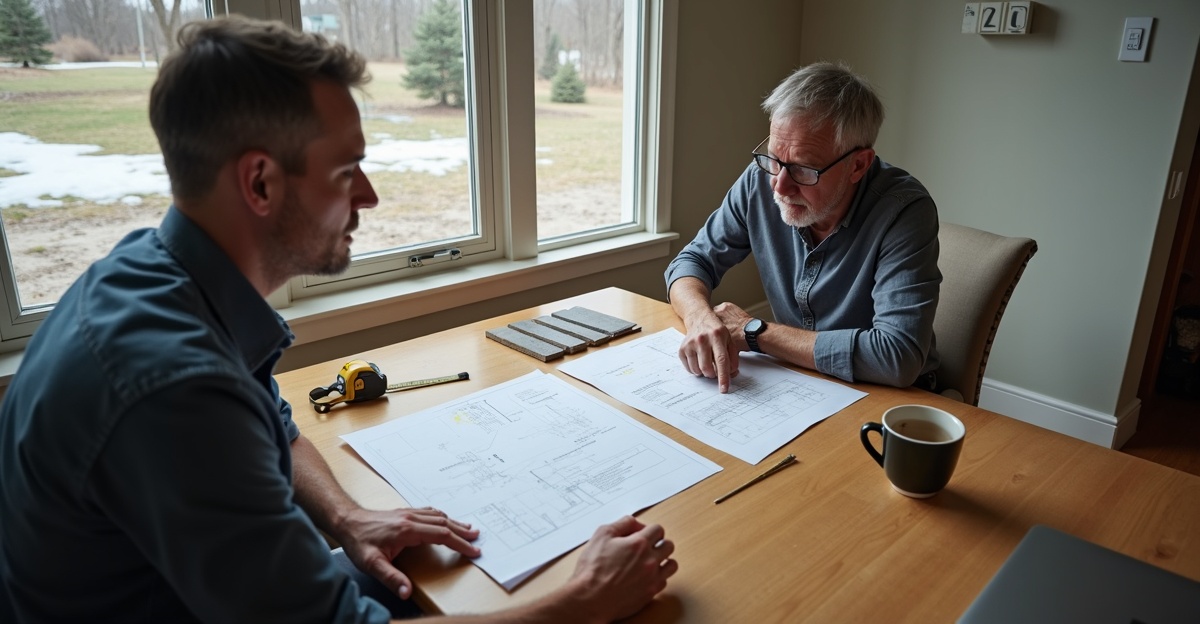
We avoid contractor miscommunication by defining the scope in detail, putting every agreement in writing, and setting timelines that reflect Minnesota’s weather and permit realities. Most project disputes start with vague proposals, unclear material allowances, and undocumented changes. Strong systems and consistent updates prevent those problems before they grow.
Key Takeaways
- Clarify the detailed scope of work before signing, including exact measurements, materials, drainage plans, base preparation, and cleanup responsibilities.
- Itemize pricing and material allowances so we prevent budget surprises later in the project.
- Set realistic timelines based on Minnesota’s seasonal limits and confirm how we will share progress updates.
- Put every change in writing through formal change orders before additional work begins.
- Flag warning signs such as vague estimates, missing written agreements, unrealistic guarantees, or poor communication.
Why Contractor Miscommunication Happens (and Why It Costs Homeowners More Than They Expect)
Most home improvement communication problems don’t start with bad intentions. They start with assumptions. A proposal says “install patio,” and both sides picture something slightly different.
Vague proposals, rushed estimates, and unclear expectations create space for confusion. Common triggers include unclear patio square footage, unspecified drainage details, undefined material allowances, and multiple decision-makers giving conflicting direction. Each one seems small. Together, they can derail a project.
In Minnesota, timing adds pressure due to Minnesota’s seasonal weather patterns and freeze–thaw cycles. Spring installation fills up fast. Fall drainage demand spikes as homeowners prepare for freezing temps. Major snowstorms can interrupt late-season work. Permit requirements in Shakopee and throughout Scott, Carver, Dakota, and Hennepin Counties add another layer, particularly when projects must comply with City of Shakopee building permit requirements. If details aren’t discussed upfront, Minnesota weather delays can quickly strain communication and expectations.
Extended rain, early freeze, or saturated soil conditions shift schedules. That’s normal here. What causes frustration is when the possibility of delays wasn’t explained from the start.
Budget surprises often trace back to line items like “landscape work – $10,000.” Without a breakdown, there’s no clarity about materials, excavation depth, base prep, or restoration. That’s where many avoiding contractor disputes conversations begin.
The goal isn’t flawless communication. No project runs perfectly from start to finish. The goal is strong systems for handling changes and surprises professionally so everyone stays aligned.
What to Clarify Before You Sign Any Agreement
Clear expectations begin before the first shovel hits the ground. A detailed written scope of work sets the tone for how to avoid contractor miscommunication.
A patio proposal should state square footage, paver type, base depth, edging detail, and excavation depth. It should outline the drainage plan, site prep, turf restoration, and cleanup. “Install patio” isn’t enough. Specifics protect both sides.
Payment schedules matter, too. We recommend reviewing deposits, progress payments, and material allowances. Clarify what happens if selected materials exceed an allowance. That’s a common source of home improvement communication problems.
Timeline discussions should reflect Minnesota’s seasons. Spring backlog, summer rain delays, and fall frost all impact scheduling. A good contractor walks through realistic timeframes in advance. For a deeper look at how schedules typically flow, review our guide on outdoor project timeline expectations.
Ask how updates will be handled. Weekly check-ins? Email summaries? On-site walkthroughs? Clear systems prevent confusion later.
Confirm the main point of contact from consultation through final walkthrough. That clarity prevents mixed messages, especially when multiple family members are involved.
When reviewing proposals, use a practical landscaping contract checklist. Consider these questions to ask a contractor before hiring:
- Is the full scope of work clearly described with measurements and materials?
- Are drainage, grading, and base preparation details included?
- Is the payment structure broken down and easy to understand?
- Are seasonal constraints and scheduling expectations discussed?
- Is there a defined process for handling changes?
Thoughtful outdoor project planning tips go a long way. If we’re unsure where to begin, our backyard renovation checklist and backyard budget planning guide help clarify priorities before signing anything.
Choosing the right partner is just as important as the design. We recommend reviewing guidance on how to choose a contractor in Minnesota so expectations stay realistic from day one.
How Communication Should Work During the Project
Good communication doesn’t stop after signing. It becomes more important once work begins.
Document changes in writing. Email summaries are usually sufficient. Verbal-only agreements often lead to conflicting memories later. If something shifts, it should be written down.
Ask questions early if something looks different than expected. Maybe the edge detail feels narrower. Maybe the grading slope looks steeper. Raising concerns early allows adjustments before major elements are complete.
Material substitutions should always be confirmed before installation. Availability issues are common during peak Minnesota season. A proactive contractor explains options and secures written approval before switching products.
We recommend a midway walkthrough. This gives everyone a chance to confirm alignment before patios are locked in or planting beds are finished. It’s one of the most practical contractor communication tips for avoiding contractor disputes.
Schedule a final walkthrough, too. Review punch list items and maintenance expectations. Clarify watering schedules, joint sand settling, and seasonal care. Clear closeout conversations reduce follow-up frustration.
Strong communication means proactive updates. Homeowners shouldn’t have to chase down answers. Consistent check-ins prevent small misunderstandings from turning into large home improvement communication problems.
Change Orders Explained: What They Are and How to Handle Them Calmly
Change orders explained simply: they are written documents that adjust the original scope of work, cost, or timeline.
They happen for valid reasons. Weather shifts. Hidden site conditions appear. Clients request upgrades. Permits require adjustments. In Minnesota, unexpected soil conditions are common, especially in areas with clay-heavy soils common throughout Minnesota landscapes. We’ve seen drainage redesigns required due to saturated clay soil discovered after excavation.
A professional contractor documents the change before moving forward. Every change order should outline the cost impact and any schedule adjustment. Nothing proceeds until it’s understood and approved.
Change orders are not automatically a red flag. Landscaping and construction involve variables. What matters is documentation and transparency. Lack of paperwork is the real problem.
Clear written confirmation is one of the simplest ways to practice how to avoid contractor miscommunication. When everyone agrees on adjustments ahead of time, avoiding contractor disputes becomes much easier.
Red Flags That Signal Bigger Problems Ahead
Certain patterns almost guarantee frustration later.
Vague line items like “landscape work – $10,000” leave too much room for interpretation. No written agreement raises even bigger concerns. Unrealistic guarantees about timelines in Minnesota should prompt careful review.
Pressure to decide immediately is another warning sign. A solid contractor understands large outdoor investments take thought and discussion.
Poor responsiveness before the job starts often continues during the project. Delayed calls and unclear answers rarely improve once construction begins.
Hesitation to explain permit requirements or seasonal scheduling realities in Minnesota also signals trouble. Any experienced contractor in Shakopee and surrounding counties should speak confidently about these details.
In contrast, signs of a reliable contractor include clear scope documents, transparent pricing structures, realistic scheduling conversations, and proactive updates. Accountability matters. When issues arise, professionals take ownership rather than deflecting blame.
These are core questions to ask a contractor before hiring. They help determine how to choose a contractor in Minnesota who values clarity as much as craftsmanship.
What Strong Contractor Communication Looks Like from Start to Finish
Strong communication starts with a clear scope and transparent pricing. It continues with a defined point of contact and realistic scheduling tied directly to Minnesota climate patterns and seasonal workload spikes.
During the build, proactive updates should be routine. Weather delays, supply changes, or minor field adjustments deserve clear explanation. Mid-project walkthroughs confirm alignment. Final walkthroughs close the loop with care instructions and punch list resolution.
Professionalism shows up most clearly when something doesn’t go exactly as planned. Every project encounters small surprises. How a contractor responds defines the experience. Owning corrections and resolving concerns promptly keeps trust intact.
As a local landscaping contractor Shakopee homeowners rely on, we stay hands-on from consultation through final walkthrough. We believe in steady communication, realistic expectations, and practical outdoor project planning tips that fit each property. Our approach to outdoor living projects focuses on durability and long-term value, supported by clear systems at every stage.
Accountability is central to our process. Learn more about our team on our about page. If we’re ready to review scope details, timelines, and expectations with a straightforward approach, schedule a conversation through our contact page. Clear communication from day one is the best way to practice how to avoid contractor miscommunication and keep a project moving with confidence.
Frequently Asked Questions
Homeowners can prevent contractor miscommunication by clearly defining the project scope before signing any agreement. This includes confirming measurements, materials, drainage plans, timelines, and cleanup responsibilities in writing. A detailed proposal reduces assumptions and ensures both sides understand the same expectations. Reviewing payment schedules, material allowances, and the change order process also helps prevent confusion once work starts.
A contractor agreement should include a detailed scope of work, itemized pricing, materials, project measurements, base preparation details, and cleanup responsibilities. It should also outline the payment schedule, timeline expectations, and how changes will be handled. Written agreements protect both the homeowner and contractor by documenting expectations and preventing disputes caused by vague estimates or missing project details.
Contractor miscommunication often leads to budget surprises when estimates include vague line items or unclear material allowances. Without detailed breakdowns, homeowners may assume certain materials or installation methods are included when they are not. Clear pricing, written allowances, and documented upgrades ensure everyone understands the true project cost before construction begins.
Change orders help prevent disputes by documenting any adjustments to the original project scope, cost, or timeline. They provide written confirmation that both the homeowner and contractor agree to the change before work continues. This process ensures transparency when unexpected site conditions, design upgrades, or scheduling adjustments occur during a construction or landscaping project.
Common warning signs include vague estimates, missing written agreements, unrealistic timeline promises, and slow responses to questions. Contractors who avoid discussing permits, materials, or scheduling details may also create communication problems later. Reliable contractors typically provide clear documentation, explain project steps in advance, and maintain consistent updates throughout the construction process.