

Designing a Functional Backyard Layout
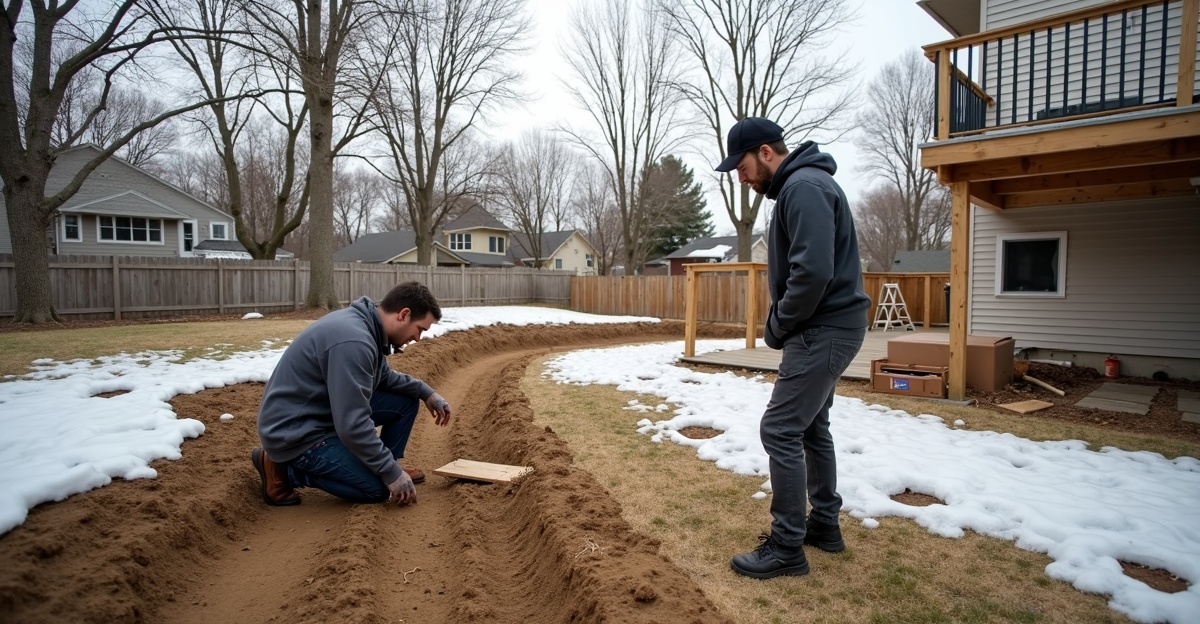
Designing a functional backyard layout starts with a clear understanding of daily use, drainage patterns, and seasonal demands before we select materials. In this guide, we explain how to design functional backyard layout decisions around real-life needs for Minnesota properties. We evaluate grading, traffic flow, sun exposure, and long-term maintenance early so we can build outdoor spaces that withstand freeze-thaw cycles, control water effectively, and remain practical for years.
Key Takeaways
- Start with how we actually use the yard, including entertaining needs, quiet spaces, pets, and future plans.
- Address grading and drainage first to prevent pooling water, shifting patios, and long-term structural problems.
- Design clear traffic flow and logical transitions between the house, patio, yard, and garden areas.
- Account for Minnesota’s sun exposure, wind, privacy needs, snow storage, and freeze-thaw durability.
- Balance hardscape and lawn space to support easier maintenance, flexibility, and long-term value.
Start With How You Actually Use Your Yard
Strong backyard layouts start with daily life, not materials or trends. Functional design always comes before aesthetics.
Before we talk pavers, walls, or fire features, we define how the space needs to work. That means identifying whether the yard is primarily for entertaining, grilling, relaxing, kids’ play space, pets, gardening, or a quiet retreat. Most families need a mix, but the balance matters.
We walk through practical planning questions:
- How many people do we typically host?
- Do we need space divided for entertaining and quieter relaxing?
- Is this yard mainly for summer evenings, or do we want three-season function?
Those answers guide size, placement, and flow. If we regularly host 20 guests, a small patio tucked into a corner won’t cut it. If it’s mostly two people and a dog, we don’t need to give half the yard to pavers.
Future goals matter just as much. We often hear plans for a fire pit area next year, a larger patio later, adjusted retaining wall placement in the backyard, or added privacy as trees mature. We factor those into the layout early so we’re not tearing things out later.
This is the core principle behind how to design a functional backyard layout around real-life use instead of trends. Backyard layout ideas Minnesota homeowners see online don’t always reflect our lot sizes or climate realities.
Outdoor living space design Shakopee should reflect Minnesota’s seasonal lifestyle and the typical property layouts across Scott, Carver, Dakota, and Hennepin Counties. A well-planned yard here needs to handle snow, rain, and heavy use. When we approach outdoor living space design, we focus first on how families actually live in the space.
Evaluate Grading and Drainage Before Adding Features
Every functional backyard design starts below the surface. Backyard grading and drainage form the foundation for everything that follows.
In our area, we routinely deal with clay-heavy soils common across many Minnesota landscapes, especially in Scott County and surrounding communities. Clay holds water. Combine that with sloped lots common in newer developments, spring snowmelt, heavy summer rains, and freeze-thaw cycles, and drainage becomes critical.
Patio placement at the bottom of a slope without proper backyard drainage solutions Minnesota homeowners need will lead to pooling water and premature surface damage. We’ve seen pavers shift, bases wash out, and retaining walls settle simply because water wasn’t managed first.
Freeze-thaw movement adds another layer. When water gets into poorly compacted areas and freezes, it expands. Repeated cycles accelerate movement and shorten the life of patios and walls.
We study how water actually moves across the property, following principles used in residential stormwater runoff management guidance. We look at:
- Natural runoff patterns.
- Downspout discharge locations.
- Low points where water collects.
- Soil conditions and compaction.
Correcting drainage first protects the investment. Swales, adjustments to grading, proper base prep, and occasionally structural retaining wall placement in the backyard create a stable base for everything else.
Small DIY grading corrections can work in limited areas. However, larger slope corrections or structural walls often benefit from professional planning. Through our hardscape construction process, we focus on proper base preparation and structural integrity before we think about surface finishes. That approach prevents costly tear-outs a few years down the road.
Plan Traffic Flow and Transitions Between Spaces
A functional backyard layout should feel natural to move through. People shouldn’t have to guess where to walk.
We design clear pathways between the house and patio, patio and yard, and yard to garden or shed. Without defined routes, guests will cut across grass. Over time, that creates worn paths and mud issues.
Oversized patios are another common mistake. A large slab that dominates the yard might look balanced on paper but can eliminate flexible green space. On the other side, poor transitions between a deck, yard, and hardscape create awkward step-downs and tight corners.
Good patio placement ideas keep the main entertaining space close enough to the house for convenience. Grills, food prep, and indoor access should make sense. Doors shouldn’t open directly into steps or dead ends.
Minnesota landscape design requires seasonal planning. We account for snow clearing paths in winter and avoid narrow pinch points that turn into icy bottlenecks. Plow and shovel routes need space just like people do.
We also prioritize long-term usability over perfect visual symmetry. A layout might look nicer when centered in theory, but shifting it a few feet for better access, drainage, or snow management usually serves the home better.
Homeowners exploring broader layout strategies often benefit from reading how to design an outdoor living space before finalizing dimensions and features. Thoughtful transitions make daily life easier year after year.
Consider Sun, Wind, Privacy, and Seasonal Use
Comfort determines how often the yard gets used. Sun exposure is a major factor.
South- and west-facing patios in Minnesota can get intense afternoon sun. In those cases, we plan shade solutions or use existing tree lines where possible. Strategic placement can also improve energy efficiency by limiting heat gain near the house through landscape shading strategies that reduce solar heat gain.
Wind matters more than many expect. Open developments in Shakopee and nearby communities often allow prevailing winds to move freely across yards. Small changes in layout, fencing, or grade can significantly increase comfort.
Privacy should be intentional. We can use strategic retaining walls, fencing, or plantings. Sometimes a simple terrain adjustment creates natural screening. We focus on solutions that fit the property rather than overbuilding.
Four-season realities shape every functional backyard design here. Summer entertaining drives many decisions, but we also plan for fall cleanup and winter snow storage. Gathering areas shouldn’t sit where plowed snow must be piled. Access paths must remain usable during icy months.
Durability ties everything together. Materials must withstand Minnesota’s freeze-thaw movement. Proper base preparation is critical for patios, steps, and walls. Whether we’re installing features through our outdoor living services or integrating custom elements like landscape fire features, we select materials and installation methods that hold up through real winters.
Balance Features With Long-Term Maintenance and Value
A well-designed yard should look good and stay manageable. Flashy upgrades don’t help if maintenance becomes overwhelming.
We evaluate lawn size versus hardscape ratio carefully. Too much turf means more mowing and fertilizer. Too much hardscape increases cost and can limit flexibility. The right balance depends on how the yard gets used.
Drainage systems that reduce erosion also reduce reseeding and repair. Planning lighting and utilities early prevents trenching through finished spaces later. If we know we’ll want evening use, we design for landscape lighting during the initial build.
Not every property needs an oversized patio or complex outdoor kitchen. Some families benefit from simple gathering spaces with room to expand later. Others truly use dedicated cooking zones and dining areas. When those features fit the plan, we integrate them thoughtfully through our outdoor kitchens and dining areas services.
Our approach to outdoor living space design Shakopee homeowners appreciate stays grounded in craftsmanship and long-term value. We recommend what makes sense for the space. We don’t push unnecessary upgrades.
Smart backyard layout ideas Minnesota families implement today should still serve them ten years from now. A functional backyard design supports resale value while improving daily enjoyment. That balance defines dependable work.
Functional Backyard Planning Checklist and Next Steps
A simple framework keeps backyard planning focused and practical. This checklist helps organize priorities before final design.
Backyard Planning Checklist
- Identify primary uses: entertaining, relaxing, play.
- Map existing grading and drainage patterns.
- Verify backyard drainage solutions Minnesota if pooling exists.
- Determine ideal patio placement ideas based on access and sun.
- Plan traffic flow and define pathways.
- Designate snow storage areas.
- Plan utilities and lighting early.
- Confirm materials suited for freeze-thaw cycles.
This checklist is a practical framework for homeowners researching how to design a functional backyard layout that fits Minnesota properties. It keeps the process grounded in real conditions rather than wish lists alone.
We can start with sketches and basic measurements. Many homeowners do that first step themselves. For complex grading, drainage corrections, or structural retaining walls, professional input often prevents expensive mistakes.
Families in Shakopee and surrounding counties who want help evaluating their specific property can reach out through our contact page. We’ll walk the yard, discuss goals, and give honest recommendations. Clear communication and well-built solutions come first. Unnecessary upgrades don’t.
A functional layout solves problems before they show up. When the groundwork is right, everything else falls into place.
Frequently Asked Questions
The first step in designing a functional backyard layout is identifying how the space will actually be used. Determine whether the yard will primarily serve for entertaining, relaxing, gardening, pets, or children’s play. Once the main uses are clear, you can plan the size and placement of patios, lawn areas, and pathways to support those activities efficiently while maintaining good flow throughout the yard.
Proper drainage and grading prevent water from pooling around patios, lawns, and foundations. A functional backyard layout should follow the natural slope of the property and direct water away from structures. Addressing drainage early helps protect patios, retaining walls, and planting areas from shifting soil, erosion, and damage caused by repeated freeze-thaw cycles.
The best way to plan backyard traffic flow is by creating clear, direct pathways between major areas such as the house, patio, lawn, and garden. Logical routes prevent people from walking across grass and creating worn paths. Position patios near entry doors, keep walking areas wide enough for comfortable movement, and avoid awkward steps or tight corners between spaces.
The ideal balance between lawn and hardscape depends on how the yard will be used and how much maintenance is acceptable. Lawns provide flexible play space and natural cooling, while hardscape features like patios and walkways support entertaining and reduce mowing. A balanced layout usually includes gathering areas, circulation paths, and enough open lawn to keep the space versatile.
A backyard that functions year-round accounts for sun exposure, wind direction, and seasonal maintenance needs. Position patios where summer shade is possible, plan wind protection with fencing or plantings, and leave accessible areas for winter snow storage. Durable materials and proper base preparation also help outdoor features withstand temperature changes and freeze-thaw cycles.