

Backyard Privacy Solutions
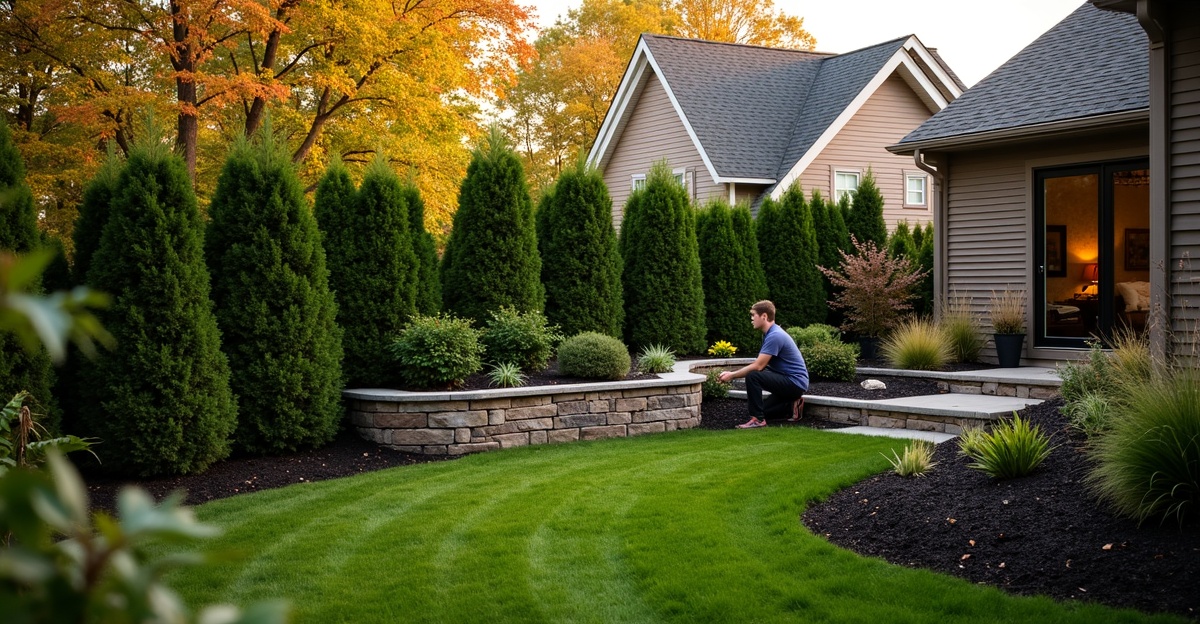
Backyard privacy landscaping in Minnesota demands planning that respects climate, soil, and structure. We address tight lot lines, shifting grades, drainage concerns, and freeze-thaw cycles that affect long-term performance. Effective privacy solutions blend layered plantings, structural features, and smart layout changes to create screening that feels natural and lasts for years.
Key Takeaways
- We achieve stronger privacy by layering evergreens, deciduous shrubs, berms, walls, and built features instead of relying on a single fence.
- Minnesota conditions require proper soil preparation, drainage planning, and frost-depth construction to prevent settling, plant stress, and structural damage.
- We select plants carefully and space them correctly because long-term maintenance and growth patterns determine how well a living screen performs.
- Structural elements such as berms and retaining walls require engineered base preparation and integrated drainage so they withstand repeated freeze-thaw cycles.
- Project cost, timeline, and durability depend on plant size, grading requirements, wall height, and whether we execute the work through a coordinated design/build process.
Understanding Why Your Yard Feels Exposed (and What’s Realistic in Minnesota)
Backyards across Shakopee, Scott County, Carver County, Dakota County, and Hennepin County often feel tighter than expected. Newer developments place homes closer together. Corner lots face two streets. Walkout basements overlook lower yards. Grade changes between properties create direct sightlines from decks and second-story windows.
These realities shape how we approach backyard privacy landscaping ideas. A six-foot fence alone rarely solves the issue—especially when the neighbor’s patio sits three feet higher than ours.
Minnesota’s climate adds another layer. Freeze-thaw cycles move soil, a process explained in National Weather Service guidance on freeze–thaw soil movement. Clay-heavy ground holds water, which aligns with University of Minnesota Extension explanations of clay soil drainage behavior. Poor drainage creates pooling and plant stress. Frost depth matters for walls, posts, and structural features, which is why Minnesota construction guidance on frost depth and soil freezing influences outdoor structural design. Even HOA guidelines and property line setbacks affect where and how we can build.
Effective privacy landscaping Minnesota homeowners can rely on must address:
- Soil compaction and proper base preparation
- Drainage patterns and grading
- Frost depth for structural elements
- Snow load and winter exposure
- Long-term plant growth and spacing
Privacy works best through layers. Instead of one tall barrier, we combine elevation, plantings, and thoughtfully placed structures. That layered approach creates comfort without making the yard feel boxed in. For homeowners exploring backyard privacy ideas Shakopee properties require, we focus on outdoor living privacy design that feels intentional from every angle, not patched together after the fact.
Layered Planting for Natural Screening That Lasts
Layered planting remains one of the most practical landscape privacy solutions in Minnesota. The key is balancing year-round coverage with long-term health.
Evergreen vs. Deciduous Screening
Evergreens provide consistent coverage through winter. They’re strong performers for privacy trees for Minnesota yards when selected carefully. However, they require proper spacing for air circulation and root development. Planting too tightly for faster results leads to stress and disease later.
Deciduous trees and shrubs add seasonal density. In summer, they soften views and reduce sightlines. In winter, they allow filtered light. Mixing evergreen backbones with layered shrubs creates a natural screen that feels planted, not forced.
We steer clear of fast-growing species that sacrifice strength for speed. Rapid growth often means weaker wood, higher storm damage risk, and shorter lifespan. Minnesota hardy privacy plants should tolerate snow load, wind, and clay soils without constant corrective work.
Growth timelines matter. A five- to seven-foot evergreen may take several years to form a solid wall. Larger caliper trees create earlier impact but increase the cost of backyard privacy landscaping. Most planting projects fall into a low to moderate investment range, depending on size and quantity.
Establishment requires:
- Consistent watering during the first 1–2 seasons
- Soil amendment in clay-heavy yards
- Mulching for moisture control
- Annual pruning to maintain density
We always assess drainage first. Clay soils in Scott and Carver Counties often need compost integration and, in some cases, subsurface drainage improvements. Ignoring soil preparation shortens the life of the screen.
Homeowners planning privacy landscaping Minnesota properties benefit from reviewing choosing the right landscape plants before committing to species selections. Plant choice drives both maintenance and long-term success.
Berms, Retaining Walls, and Structural Privacy Solutions
Plantings alone don’t solve every exposure issue. Elevation changes and sightline challenges often require structural solutions.
Berms for Backyard Privacy
Berms for backyard privacy raise grade to block views from neighboring decks or streets. They work especially well in open yards without mature trees. However, berms must be built correctly.
Proper construction includes:
- Engineered base preparation
- Layered soil compaction
- Erosion control planning
- Drainage management around the berm
Loose fill leads to settling. Poor compaction creates uneven lawn areas and water runoff problems. In Minnesota’s freeze-thaw climate, settling becomes more noticeable over time. Most berm projects fall into a moderate investment tier, depending on size and soil import needs.
Retaining Wall Privacy Solutions
Sloped yards and walkout lots often call for retaining wall privacy solutions. Walls can lift patios, define upper outdoor spaces, and reduce direct sightlines from higher properties.
Proper wall construction requires:
- Compacted gravel base below frost depth
- Drainage tile behind the wall
- Clean gravel backfill
- Structural design appropriate for wall height
Skipping drainage behind a wall traps water. In winter, that water freezes and expands. Frost heave then shifts stones or blocks, shortening the wall’s lifespan.
These projects typically fall into moderate to higher investment tiers based on wall height, materials, and engineering needs. When built correctly through experienced hardscape construction services, they create durable landscape privacy solutions that hold up year after year.
Structural elements also integrate well with landscape fire features or raised patios, tying privacy into overall usability instead of treating it as an afterthought.
Fencing and Built Features Without the “Walled-In” Feel
Fencing remains a common first step. Still, backyard privacy fence alternatives often produce a better result when paired with thoughtful design.
Solid panel fencing provides immediate screening at a low to moderate investment. Wood offers warmth but expands and contracts with Minnesota weather. It needs staining and periodic repair. Vinyl reduces maintenance but can feel rigid. Composite performs consistently with less upkeep but sits in a moderate to higher investment range.
Design and placement matter more than height. Sometimes rotating a patio or adjusting a seating area solves a direct sightline without increasing fence height. For homeowners reviewing layout changes, our outdoor seating area design guide often sparks practical adjustments.
Integrated features create softer boundaries:
- Pergolas with privacy panels
- Decorative metal or composite screens
- Layered shrubs along fence lines
- Partial-height walls combined with planting
Blending fencing into planting beds supports outdoor living privacy design that feels open overhead while still blocking direct views. Many backyard privacy ideas Shakopee homeowners prefer involve combining fencing with green buffers instead of relying on solid walls alone.
Full-property outdoor living projects give us room to coordinate fences, patios, plantings, and features in one plan. That approach keeps the yard cohesive and prevents mismatched upgrades over time.
What Impacts Cost, Timeline, and Long-Term Maintenance
The cost of backyard privacy landscaping varies widely. The main drivers include:
- Plant size and quantity
- Wall height and material selection
- Soil amendment and grading needs
- Drainage installation
- Site access for equipment
- Permit or HOA requirements
Small shrub groupings fall into a low investment tier. Layered tree screens and moderate berm construction usually land in a moderate range. Engineered retaining walls or full-scale structural changes move into higher investment territory.
Minnesota’s construction season affects scheduling. Spring and early summer fill quickly. Large grading or wall projects take longer than simple plant installations. Weather delays are common, especially during heavy rain periods.
Long-term maintenance also factors into planning. Plant screens require pruning and irrigation adjustments. Berms may settle slightly and need grading touch-ups. Walls should be inspected after winter for movement or drainage issues.
Quick visual impact often costs more up front. Smaller plant material saves initially but takes several seasons to deliver full privacy. Durable construction costs more at installation but reduces repair expenses later.
Anyone reviewing multiple upgrades at once benefits from organizing priorities with a backyard renovation checklist before starting.
When DIY Makes Sense—and When to Bring in a Design/Build Professional
Some backyard privacy landscaping ideas work well for capable DIY homeowners. Planting smaller shrubs. Installing standalone decorative screens. Adjusting furniture layout. These projects stay manageable with proper planning.
Other landscape privacy solutions require professional oversight. Large berms, retaining walls, major grading corrections, and integrated outdoor living privacy design demand accurate compaction, drainage planning, and frost-depth construction.
Common local mistakes include:
- Building too close to property lines
- Ignoring drainage behind retaining walls
- Underestimating soil compaction needs
- Choosing plants unsuited for clay soils
- Overcrowding privacy trees for faster coverage
Before scheduling a consultation, we recommend noting sun exposure, drainage patterns after heavy rain, and the level of privacy desired. That clarity helps shape the right solution without unnecessary add-ons.
Our team stays hands-on from initial layout through final walkthrough. We focus on durable materials, thoughtful grading, and plant choices that hold up in Minnesota conditions. We avoid upselling features that don’t make sense for the space.
Homeowners exploring backyard privacy ideas Shakopee properties need can review past projects in our project gallery to see how layered approaches perform in similar neighborhoods. For site-specific guidance, we welcome a straightforward conversation through our contact page.
Strong privacy starts with honest assessment and solid construction. With the right mix of planting, elevation, and structure, the yard feels comfortable without feeling closed in—and it holds up through every Minnesota season.
Frequently Asked Questions
The best backyard privacy landscaping ideas for small yards combine vertical elements and layered plantings. Narrow evergreen trees, tall ornamental grasses, and trellises with climbing plants create screening without taking up much space. Decorative privacy panels or pergolas can also block direct sightlines. Using multiple layers rather than one solid barrier helps maintain privacy while keeping the yard open and visually balanced.
Most privacy plants take several seasons to form a dense screen. Evergreen trees and shrubs typically require three to five years to fill in, depending on their starting size and growth rate. Larger nursery stock provides quicker coverage but increases upfront cost. Proper spacing, watering during establishment, and annual pruning help plants develop a fuller structure and improve long-term screening.
Berms can improve backyard privacy by raising the ground level to block sightlines from neighboring yards or streets. They work especially well in open spaces where plantings alone would not create enough height. Fences provide faster results but may feel enclosed if used alone. Combining berms with shrubs, trees, or fencing often produces a more natural and visually appealing privacy solution.
Cold-climate privacy landscaping often uses hardy evergreens such as spruce, arborvitae, and pine for year-round screening. Deciduous shrubs like dogwood, viburnum, or lilac add seasonal density and soften the landscape. These plants tolerate freezing temperatures, snow load, and clay soils common in northern regions. Selecting climate-appropriate species helps prevent winter damage and reduces long-term maintenance.
A fence alone may not fully solve backyard privacy issues, especially when neighboring homes sit at a higher elevation or have second-story views. Fences block ground-level sightlines but cannot address overlooking decks or windows. Combining fences with trees, shrubs, or raised landscape features creates layered screening that improves privacy from multiple angles while maintaining a more natural outdoor environment.