

Backyard Budget Planning Guide
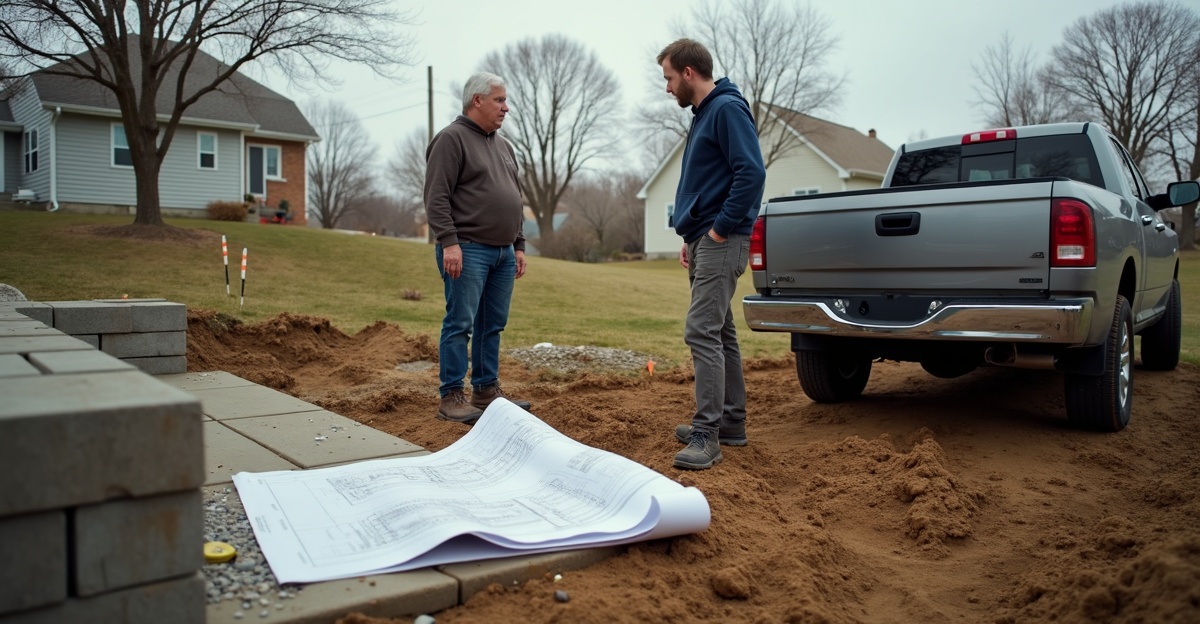
Learning how to budget for backyard renovation in Minnesota starts with recognizing how soil conditions, freeze-thaw cycles, drainage demands, and local permits directly shape construction costs. We see these factors affect nearly every project we plan and build. Clay-heavy soils, seasonal ground movement, and strict inspections all influence excavation depth, base prep, and overall labor.
In this backyard budget planning guide, we break down scope, site preparation, material selection, and phased installation so we can set realistic expectations before requesting estimates in Shakopee and surrounding counties. Clear planning helps us avoid surprises and control spending from day one.
Key Takeaways
- National price averages rarely reflect Minnesota conditions. We account for clay soils, drainage corrections, deeper excavation, and permitting requirements because they significantly raise local project costs.
- Project scope defines the budget. We increase labor, materials, and coordination when we add retaining walls, fire features, lighting, or outdoor kitchens.
- Site preparation drives most expenses. We focus on proper base depth, drainage improvements, material selection, and property access because these factors consistently affect final pricing.
- A realistic budget starts with function. We allocate funds by category, prioritize structural needs, and include a contingency for hidden soil issues or permit revisions.
- Phasing projects works best when we install structural components, utilities, and drainage first. Early planning prevents rework and protects long-term performance.
Why Online Price Ranges Often Miss the Mark in Minnesota
General price ranges on national home improvement sites rarely reflect what Minnesota homeowners actually pay. Many articles reference broad averages that ignore soil, climate, labor rates, and local permitting requirements. That gap creates unrealistic expectations before a project even starts.
In Shakopee, Scott County, Carver County, Dakota County, and Hennepin County, site conditions vary significantly from one neighborhood to the next. Clay-heavy soils are common. So are yards with slope issues and seasonal drainage problems. Those factors directly affect excavation depth, base preparation, and compaction standards.
Minnesota’s freeze-thaw cycle also changes how we build because of frost heave and seasonal soil expansion in cold climates. We excavate deeper than warmer climates require. We install thicker aggregate bases. We pay closer attention to drainage corrections. Spring thaw can delay timelines, and wet soils can limit equipment access. Every one of these conditions influences real construction costs.
Permitting adds another layer. Landscaping permits in Shakopee, MN, may be required for retaining walls over certain heights or drainage modifications under City of Shakopee permit requirements for retaining walls and grading. HOA guidelines often influence material choices, wall heights, and layouts. Generic numbers from another state don’t account for those adjustments.
Shortcuts to “save the budget” often lead to shifting pavers, leaning walls, or standing water after heavy rain. Proper planning avoids rework. The goal is clarity and confidence before requesting contractor estimates, not pressure to commit to a number that doesn’t reflect real conditions.
What a Backyard Renovation Really Includes (Scope Defines Budget)
Project scope drives budget more than any other factor. Until we define what the yard must do and what features it will include, numbers remain guesswork.
A patio-only project typically includes excavation, base installation, and paver placement. When homeowners research the cost of paver patio in Minnesota, they often see wide ranges. That’s because depth of base, access to the yard, and drainage needs vary dramatically.
Add a retaining wall and the scope changes quickly. A patio + retaining wall cost estimate must account for excavation, wall block, reinforcement, backfill aggregate, and geogrid for slope stabilization when required. Sloped yards in Scott and Carver County frequently require geogrid reinforcement for retaining wall stabilization to prevent long-term movement.
Full Minnesota backyard remodel planning includes multiple elements working together:
- Paver patio
- Seating or retaining walls
- Fire pit or fireplace
- Landscape lighting
- Plantings and sod
- Drainage solutions
- Outdoor kitchen or dining area
A complete outdoor living space budget naturally climbs because each system requires labor, materials, and coordination.
Common Shakopee-area projects include paver patios, retaining walls, drainage systems, fire pits, and outdoor kitchens. For homeowners considering cooking space outdoors, our outdoor kitchens and dining areas page outlines what goes into those builds.
Before setting numbers, we recommend separating must-haves from nice-to-haves. For some, drainage correction is essential and decorative lighting can wait. Others prioritize entertaining space first and phase the rest later. Clear priorities make budgeting realistic instead of reactive.
The Biggest Cost Drivers in Shakopee and Surrounding Communities
Several factors consistently shape Shakopee landscaping costs. Understanding them helps homeowners see where the investment goes.
Site Preparation and Excavation
Proper excavation forms the foundation of long-term performance. That phase often includes removal of existing concrete slabs, old decks, buried tree roots, or unsuitable soil.
In freeze-thaw climates, we dig deeper. We install compacted aggregate in lifts to achieve stability. Shallow excavation is cheaper upfront, but it leads to heaving and settlement. Deeper base preparation means more material, hauling, equipment time, and skilled labor. Those are real costs tied directly to durability.
Tight backyard access increases labor time as well. If skid steers or compactors cannot access the yard, crews must move materials with smaller equipment or by hand. That directly affects overall project pricing.
Drainage, Materials, and Permits
Grading and drainage costs vary widely because every yard manages water differently. Clay soil, common in Scott and Carver County, drains slowly due to low water infiltration rates in clay soils. That leads to pooling water and pressure against foundations or walls.
Drainage installation cost for yard projects depends on:
- Slope and runoff direction
- Amount of standing water
- Downspout tie-ins or extensions
- French drains or dry wells
- Soil type and depth of excavation
Correcting water flow away from the home protects both the house and the new hardscape. Skipping this step often creates expensive repairs later.
Material selection also shapes pricing. Concrete pavers, natural stone, and various block systems perform differently in Minnesota winters. Premium materials may increase initial investment but reduce long-term maintenance. That balance matters in any landscape construction pricing guide.
Permits and inspections create another layer of cost. Certain retaining wall heights trigger permit requirements. Drainage changes may require review. HOA standards may affect design and materials. These steps exist to protect structural integrity and neighborhood compliance. Skilled labor and code compliance are built into responsible estimates.
How to Build a Realistic Backyard Budget (Step-by-Step Framework)
Clear structure prevents mid-project stress. This framework outlines how to budget for backyard renovation in a way that supports good decisions.
Step 1 & 2: Define Goals and Establish a Range
Start with function. Entertaining, drainage control, slope stabilization, or family gathering space should guide design choices first. Long-term plans matter too. If a future pool or outdoor kitchen is likely, we should account for that early.
Next, establish a comfortable investment range. Tie it to overall home value, how long the home will be kept, and the level of durability expected. Instead of relying on national averages, treat the range as project-specific and location-specific.
For those early in planning, our guide on how to plan a full yard makeover breaks down vision and sequencing in more detail.
Step 3: Allocate Intentionally and Plan for Contingencies
Divide the investment across major categories:
- Hardscape (patio, walls)
- Drainage and grading
- Lighting and electrical
- Softscape (plants, sod)
- Contingencies
Contingencies deserve careful thought. During excavation, crews may discover hidden utilities. Soil may be unstable or saturated. Additional grading may be required to protect the foundation. Permit revisions or inspection requirements can also create adjustments.
A contingency fund isn’t a random buffer. It’s protection against known unknowns in the ground. Planning for it keeps the project steady rather than reactive.
Homeowners who want a deeper understanding of sequencing can review our landscape installation process explained article to see how budgeting and construction stages connect.
Phasing Your Project Without Re-Doing Work
Full investment at once isn’t always practical. Phased construction works well when done intentionally.
Install core structural elements first. That includes proper excavation, compacted base, drainage solutions, and required retaining walls. These components support everything that follows.
Utilities should be planned early. Running gas or electrical conduit during Phase 1 costs far less than cutting into completed pavers later.
A practical phased plan often looks like this:
- Phase 1: Patio and base infrastructure
- Phase 2: Fire feature, lighting, and plantings
- Phase 3: Outdoor kitchen or expanded seating
Fire features often come in Phase 2. Our landscape fire features page outlines structural considerations for safe installation.
Thoughtful Minnesota backyard remodel planning prevents duplicate labor, protects compaction work, and preserves the long-term integrity of the space.
When It Makes Sense to Talk with a Local Contractor
Early conversations save time and money. A local contractor can identify grading and drainage costs before designs are finalized. Permit requirements in Shakopee and surrounding counties can be clarified at the start. Backyard access limitations can be assessed in person.
Before requesting estimates, it helps to gather:
- A property survey, if available
- Inspiration photos
- A rough investment range
- A priority list of must-haves and future upgrades
Understanding how to choose a professional also matters. Our article on how to choose a landscaping contractor outlines what to look for in communication, planning, and long-term accountability.
We approach every project with straightforward guidance and clear numbers. The focus stays on what makes sense for the space, budget, and long-term goals. Craftsmanship, reliable timelines, and durable construction guide our decisions.
Homeowners ready to discuss ideas can explore our outdoor living design services or reach out directly through our contact page. If planning a backyard renovation in Shakopee or nearby communities, we’re happy to walk through the vision and help build a realistic, steady plan.
Frequently Asked Questions
Most Minnesota backyard renovations range widely depending on scope, soil conditions, and structural needs. A simple patio project costs far less than a full outdoor living space with retaining walls and drainage corrections. Clay soil, freeze-thaw depth, and permit requirements often increase excavation and base costs. A realistic budget starts with site conditions and clearly defined priorities rather than national average estimates.
Site preparation and structural work are usually the most expensive components. Excavation, aggregate base installation, drainage systems, and retaining walls require skilled labor and heavy equipment. In cold climates, deeper base preparation adds material and time. Decorative features like lighting or plantings typically cost less than foundational elements that ensure long-term stability and performance.
Yes, phased backyard renovations are a practical way to manage costs. Structural elements such as excavation, drainage, and base preparation should be installed first to avoid rework later. Features like fire pits, lighting, or outdoor kitchens can be added in future phases. Planning utilities and layout early prevents unnecessary demolition and protects previous investments.
Soil type and drainage directly impact excavation depth, base thickness, and grading requirements. Clay-heavy soil drains slowly and may require additional aggregate or drainage systems like French drains. Poor runoff can lead to foundation pressure or shifting pavers if not corrected. Addressing water management early increases upfront costs but prevents expensive structural repairs later.
Yes, including a contingency fund is strongly recommended when budgeting for backyard renovation projects. Hidden utilities, unstable soil, permit revisions, or unexpected grading adjustments can increase costs during construction. Setting aside a percentage of the total investment helps maintain progress without financial stress. A contingency protects against common site-related surprises and keeps the project on track.