

Adding a Fire Pit to Your Backyard
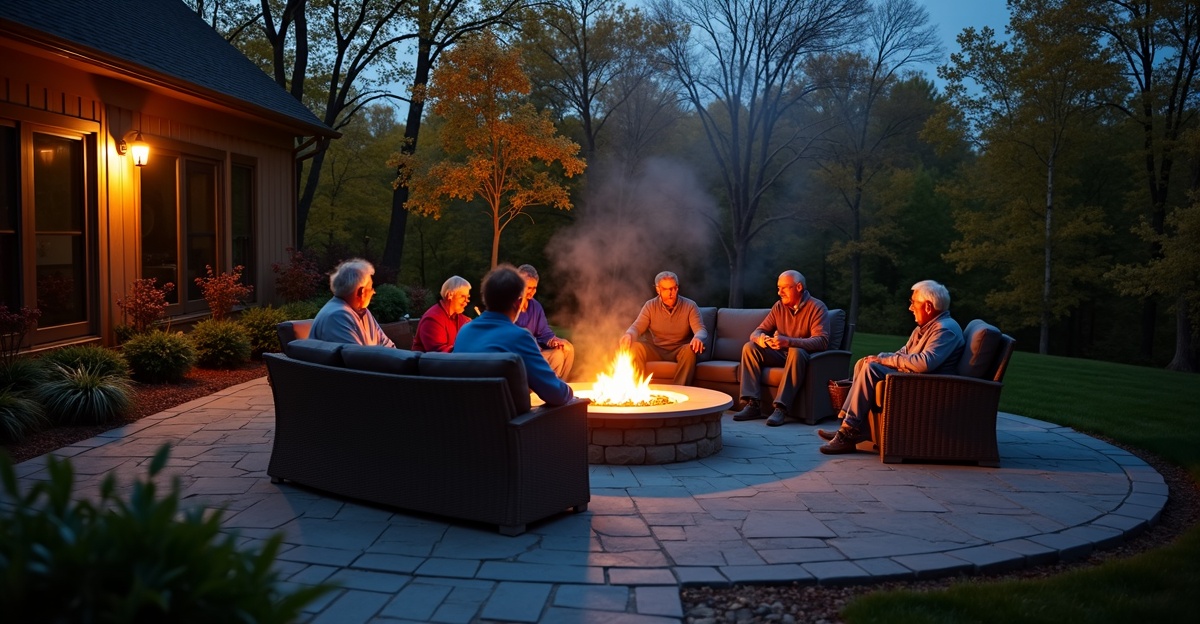
Adding a fire pit to our backyard stands out as one of the most practical ways to extend patio use in Minnesota’s short outdoor season, especially when we look at the real benefits of installing one. With proper planning, quality materials, and skilled installation, we can turn a basic patio into a durable, well-integrated gathering space that fits our layout, climate, and daily routine.
Key Takeaways
- A fire pit extends patio use in spring, summer, and fall, so we can make outdoor spaces more functional in Minnesota’s climate.
- Thoughtful design and proper installation strengthen buyer appeal, yet we should focus first on long-term enjoyment and everyday use.
- Gas and wood-burning options each offer clear advantages, and we should choose based on our maintenance preferences, lot size, and local codes.
- Freeze-thaw durability, solid base preparation, and smart drainage planning protect long-term performance and prevent costly repairs.
- Fire pit placement must support traffic flow, wind direction, and full patio integration to create a layout that feels comfortable and easy to use.
Do not modify or enhance the wording; the text must remain identical except for the HTML markup.
Do not convert the first sentence or introductory text into a heading — it must remain a normal paragraph (<p>).
Why a Fire Pit Makes Sense in Minnesota’s Climate
Minnesota evenings cool down fast, even in the middle of summer. Spring and fall can feel short, and many patios sit empty once the sun drops. That’s where the real benefits of adding a backyard fire pit show up.
A well-placed fire pit extends the usable season on a patio by weeks in the spring and well into fall. In Shakopee and surrounding communities, that matters. Instead of heading inside at 7:30, we can stay out comfortably, enjoy a conversation, and make better use of the space we’ve already invested in.
A fire pit also changes how a patio functions. Without a focal point, a patio can feel like a pass-through area between the house and the yard. Add a fire feature, and it becomes a destination. Seating naturally forms around it. Conversations last longer. Even a simple concrete paver patio starts to feel complete.
Homeowners in Scott, Carver, Dakota, and Hennepin Counties consistently prioritize outdoor living during prime home improvement years. Many are looking for practical upgrades that improve daily life without overcomplicating maintenance. A fire pit fits that goal. It brings neighbors together, gives families a place to unwind after work, and even works well for small client gatherings or casual business conversations at home.
We stay realistic about expectations. The immediate return is enjoyment and extended usability. Resale appeal is possible, especially in competitive neighborhoods, but we don’t present it as a guaranteed payoff. A fire pit should first make sense for how we live in the home today.
Does a Fire Pit Increase Home Value?
Homeowners often ask, does a fire pit increase home value? The honest answer is: it can improve buyer appeal, but results vary.
Outdoor living space upgrades Shakopee buyers appreciate often include patios, seating walls, and fire features, consistent with trends reported by the National Association of Realtors. In neighborhoods where several homes offer well-built patios, a thoughtfully integrated fire pit can strengthen perceived value. It signals that the yard is usable, intentional, and built for gathering.
However, the details matter. A custom paver patio with fire pit that’s professionally installed and structurally sound will have a very different impact than a pieced-together kit dropped onto compacted dirt. Buyers notice uneven pavers, shifting blocks, or cracks caused by poor base work. In Minnesota’s freeze-thaw cycles, weak construction shows up quickly.
Cohesive design plays a big role. When the fire pit fits the patio layout, matches the materials, and feels like part of the original plan, it enhances the entire space. When features are added randomly, the yard can feel crowded or impractical.
We position a fire pit as a long-term lifestyle investment first. If resale value improves down the road, that’s a bonus. Building it right, for consistent use over many years, remains the primary goal.
Gas vs Wood Burning: Choosing What Fits Your Space and Lifestyle
Both gas and wood-burning fire pit options work well in Minnesota. The right fit depends on how often we plan to use it and how much hands-on involvement we want.
A wood-burning fire pit offers the traditional experience. The crackle, the smell of real wood, and the ritual of building a fire all add to the atmosphere. That said, it requires dry wood storage, ash cleanup, and attention to spark control. Wind direction also becomes a factor, especially in tighter suburban lots.
Gas fire pits offer convenience and clean burning. They start instantly. They burn clean, with no ash and little smoke. For families who want to sit outside on a weeknight without prep work, gas often makes sense. The tradeoff is higher upfront cost due to gas line installation and utility coordination.
When comparing options, we look at:
- Frequency of use and tolerance for maintenance
- Available space and distance from structures
- Local code requirements and HOA restrictions
- Comfort level with managing flame and fuel safely
Fire pit safety always comes first. Proper clearance from the home, decks, and fences is essential. Adequate ventilation and spacing protect siding and nearby landscaping. In many Shakopee-area developments, HOA guidelines also dictate what’s permitted.
We strongly caution against oversimplified DIY installations, especially for gas units. Skipping proper base preparation or gas line safety can create long-term structural and safety problems. A solid base and code-compliant installation protect both the investment and the household.
If we’re considering expanding the space further, options such as landscape fire features can be incorporated into a broader plan rather than treated as a stand-alone addition.
Designing for Minnesota Conditions: Materials and Durability
Minnesota’s climate puts serious stress on hardscape construction. Freeze-thaw durable hardscaping is essential, not optional.
Water seeps into joints and under pavers. When it freezes, it expands, a process explained in freeze-thaw research from the Q & E Keystone Masonry. Over time, that movement causes settling, shifting, and cracking if the base isn’t properly prepared. We focus heavily on excavation depth, compacted gravel bases, and appropriate edge restraints to prevent those issues.
For materials, we typically recommend concrete pavers rated for cold climates or natural stone that can handle freeze-thaw cycles. Cheap block systems or thin materials often fail in a few seasons. Spending wisely on proven products protects the patio and the fire feature for the long haul.
Drainage planning also matters. We make sure water doesn’t pool inside the fire pit or around its base. Subtle grading adjustments keep runoff moving away from the structure and home. That level of attention supports long-term performance without flashy additions that don’t add real value.
Homeowners often gather backyard fire pit ideas Minnesota families can actually use for most of the year. The best Minnesota outdoor living ideas center on durability first. A fire pit should feel solid underfoot, stable after heavy snow, and reliable every spring when everything thaws.
We also look at how the fire feature connects to the bigger layout. Whether part of a new project or integrated into an existing patio, the fire pit should be positioned intentionally. Through thoughtful outdoor living design, we make sure proportions, access, and materials all work together.
Integrating a Fire Pit Into Your Patio Layout
Strong fire pit patio integration starts with traffic flow. We evaluate how people move between the house, grill area, seating, and yard. Paths should feel natural, not forced. The fire pit should anchor the space without blocking access.
Wind direction is another factor, especially for wood-burning setups. Placing the fire pit where prevailing winds push smoke away from the house and main seating areas improves comfort. On smaller lots common in newer Shakopee developments, space planning becomes even more important. We allow enough seating radius to maintain comfort without overcrowding.
A custom paver patio with fire pit works best when the two are planned together. Built-in seat walls add permanence and define the area clearly. Movable furniture offers flexibility and can adapt as needs change. Both approaches work; the decision depends on lot size, budget, and how frequently we host gatherings.
Complementary elements can strengthen the overall layout. Retaining walls help manage grade changes. Subtle lighting increases safety and atmosphere. Small drainage or grading improvements enhance comfort during spring snowmelt.
Many of these conversations align with broader guidance we share in our articles on how to design an outdoor living space. Each yard is different, and we keep discussions practical and lot-specific.
When construction begins, proper base preparation and structural work are handled with care through experienced hardscape construction practices. That’s what ensures the finished result holds up year after year.
Is a Fire Pit Right for Your Property?
Some properties are ideal for a fire pit. Others require adjustments. Yard size and proximity to neighbors affect placement options. HOA rules can limit certain fuel types. Smaller lots may favor gas for smoke control.
Budget considerations also play a role. We’re honest about cost ranges and avoid pushing unnecessary upgrades. A smaller, well-built feature often performs better long term than an oversized installation done cheaply. Investing in quality base work and durable materials pays off.
Usage habits matter just as much. If we entertain regularly or enjoy quiet evenings outdoors, a fire pit will likely see frequent use. If outdoor time is limited, other improvements may make more sense first.
Our focus remains on creating durable, low-maintenance outdoor living spaces across Scott County and surrounding areas. As a hands-on Scott County landscaping contractor, we stay involved from initial consultation through final walkthrough. Clear communication and accountability guide every step.
If a fire pit seems like a good fit, the next step is simple. We schedule a straightforward design conversation, review layout and material options, and walk through safety considerations specific to the property. From there, we determine what makes sense for the space, the budget, and the long term.
Frequently Asked Questions
A backyard fire pit extends patio use by providing consistent warmth during cool evenings in spring and fall. This added heat makes outdoor seating areas comfortable even after sunset. In colder climates like Minnesota, it can add several extra weeks of functional outdoor living each year, helping homeowners maximize the value of their patio investment.
Gas fire pits are generally better for low maintenance. They ignite instantly, produce minimal smoke, and leave no ash to clean up. Wood-burning models offer a traditional ambiance but require wood storage, ash removal, and monitoring for sparks. The best option depends on how often you plan to use the fire feature and your tolerance for upkeep.
Key safety factors include proper clearance from structures, stable base preparation, and compliance with local building codes. Adequate spacing prevents heat damage to siding, fences, and landscaping. Gas installations must meet fuel line regulations outlined in the Minnesota State Building Code., while wood-burning setups require spark control and ventilation planning to reduce fire hazards.
Adding a backyard fire pit can improve buyer appeal, especially when integrated into a well-designed patio. While it may not guarantee a specific return on investment, it enhances perceived outdoor functionality. A professionally installed, durable fire feature signals quality construction and intentional design, which can positively influence potential buyers.
Concrete pavers rated for cold climates and durable natural stone perform best in freeze-thaw regions. These materials resist cracking caused by moisture expansion during winter. Proper excavation, compacted gravel bases, and effective drainage are equally important. High-quality materials combined with solid base preparation help ensure long-term structural stability.