

Benefits of Mulch in Landscaping
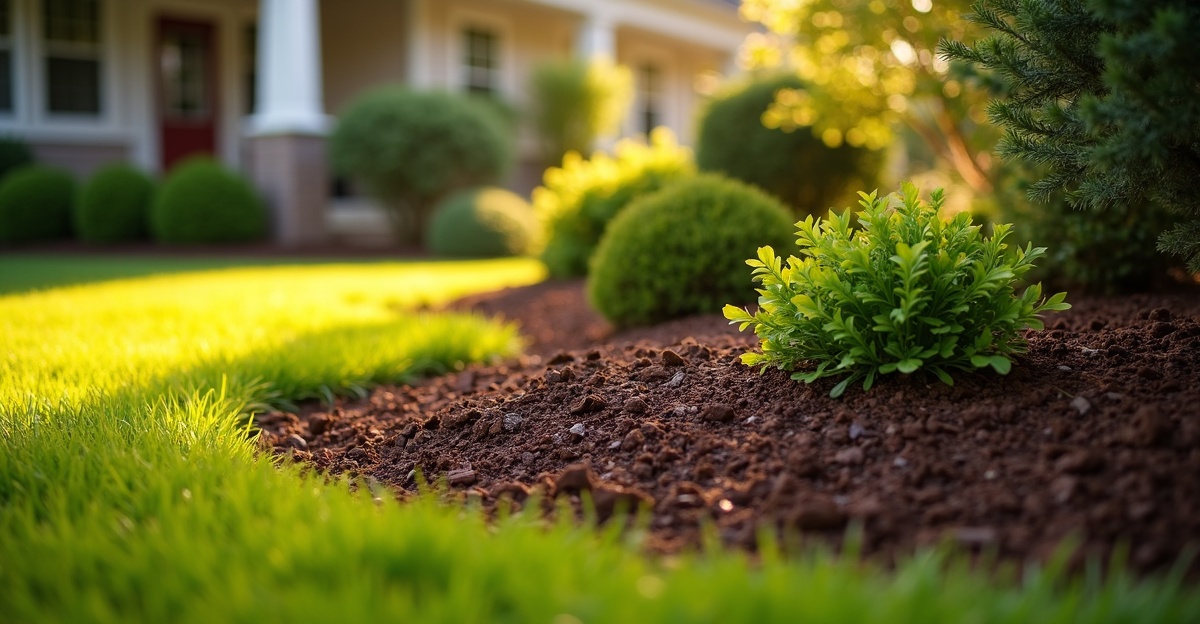
The benefits of mulch in landscaping beds become clear across Minnesota’s extreme climate. Intense summer heat, heavy rain, and repeated freeze-thaw cycles put steady pressure on soil and plant roots. We install mulch at the proper depth and match it to site conditions to improve moisture retention, reduce erosion and weeds, regulate soil temperature, and support long-term plant health with less ongoing maintenance.
Key Takeaways
- Mulch insulates soil from summer heat and winter temperature swings, and we use it to protect shallow roots from stress and exposure.
- We apply a consistent 2–3 inch layer to improve moisture retention, reduce evaporation, and stabilize soil during heavy rain and spring snowmelt.
- Proper coverage blocks sunlight, limits weed germination, and reduces reliance on herbicides and repetitive maintenance.
- Organic mulches break down over time, and we rely on that process to improve soil structure and encourage stronger root systems.
- We focus on correct installation, solid bed preparation, and defined edging to prevent over-mulching, runoff, and drainage issues that shorten performance.
Why Mulch Matters in Minnesota’s Extreme Seasons
Minnesota weather demands more from our landscapes than most areas in the country. Hot, humid summers shift quickly into freezing winters, and between them we see heavy rains, snow cover, and constant Freeze-thaw cycles — driven by frost heave and seasonal soil expansion processes — can crack soil and expose shallow roots.
The benefits of mulch in landscaping beds go far beyond appearance in these conditions. A properly installed mulch layer works like insulation for the soil, helping regulate temperatures as supported by research on mulch and soil temperature moderation. In July, it helps keep root zones cooler by shading the surface and slowing heat buildup. In January and during early spring thaws, it helps protect plant roots in winter by buffering against sharp temperature swings that can crack soil and expose shallow roots.
Moisture control is just as important. Mulch for moisture retention reduces evaporation during summer heat and helps soil hold steady moisture between rainfalls. Without that protection, beds dry out quickly, especially in full sun or near foundations that reflect heat.
Spring is where we often see the real value. As snow melts and the ground thaws, exposed soil can shift or heave. That movement stresses new plantings and can leave roots exposed. A consistent mulch layer stabilizes the surface, helping prevent sudden temperature changes and soil displacement during runoff.
Around Shakopee and across Scott, Carver, Dakota, and Hennepin Counties, we also deal with drainage-prone areas and compacted soils from new construction. In those cases, mulch installation Minnesota homeowners rely on becomes part of a larger strategy to manage water and plant health. For newly installed shrubs or perennials, mulch can be the difference between a strong first season and one spent trying to recover from stress.
Used correctly, mulch supports long-term plant performance and reduces the demands of ongoing landscape maintenance Minnesota properties face each year.
How Mulch Protects Your Soil and Reduces Ongoing Maintenance
Mulch earns its place in a landscape because it protects what matters most: the soil underneath.
First, weed control in landscape beds improves dramatically with proper coverage. Mulch blocks sunlight from reaching the soil surface, which limits weed seed germination. Fewer weeds mean less time hand-pulling and less reliance on herbicides. That alone can cut down on repetitive seasonal maintenance.
Second, mulch helps prevent soil erosion in yard areas that see heavy rainfall or snowmelt. Rain hits bare soil with force, loosening particles and carrying them downhill. Mulch acts as a buffer, absorbing rainfall impact and slowing runoff in line with soil erosion control guidance from conservation authorities, allowing water to soak in instead of washing soil toward patios, driveways, or foundations. This matters especially on sloped beds or along walkways built during hardscape construction.
Third, organic mulch supports soil health. Shredded hardwood, bark, and cedar gradually break down, adding organic matter back into the soil. Over time, that improves structure, supports microbial activity, and builds better conditions for roots. Mulch for soil health is a slow, steady improvement that pays off season after season.
How Mulch Works Day to Day
- Blocks light to reduce weed seed germination
- Buffers soil from heavy rain and irrigation impact
- Slows evaporation to support moisture retention
- Gradually decomposes (organic types) to improve soil structure
When weeds decrease and erosion stays in check, maintenance demands go down. That leads to lower long-term landscape maintenance Minnesota costs and fewer mid-season repairs. Instead of constantly regrading beds or replacing washed-out soil, you’re maintaining a stable system that supports itself.
Choosing the Best Mulch for Landscaping Beds
Selecting the best mulch for landscaping beds starts with function, not trends. Every property has different needs.
Organic options like shredded hardwood, bark, and cedar offer a natural look and contribute to soil health as they decompose. They do require periodic replenishment, especially after winter and heavy rains, but they support plant roots and improve soil over time. For most planting beds with trees, shrubs, and perennials, this is often the starting point.
Inorganic materials such as rock or rubber last longer and break down very slowly. They can reduce the need for frequent replacement, but they don’t improve soil structure. Some stone products also retain and radiate heat, which may affect plant roots in full sun. For a deeper comparison, review our guide on mulch vs rock.
We also consider visibility and purpose. High-traffic or high-visibility front entry beds benefit from clean, uniform organic mulch that frames the home and highlights plantings. Utility areas along property lines might prioritize durability and erosion control over appearance.
Plant type and sun exposure matter. Shade gardens often retain moisture longer, so slower-decomposing bark may work well. Full-sun beds with drainage challenges might need a mulch that balances moisture retention with airflow. Newly planted landscapes often benefit most from organic mulch that helps build soil quickly.
One-size-fits-all rarely works. Drainage conditions, long-term goals, and how the landscape is used should guide the material choice.
Proper Mulch Depth and Installation for Long-Term Performance
Getting mulch depth landscaping beds correct is essential. In most residential applications, 2–3 inches of mulch depth recommended by university horticulture guidelines is appropriate for consistent coverage.
Less than that limits weed suppression and moisture retention. More than that can create problems. Over-mulching, often called “volcano mulching” around tree trunks, traps excess moisture against bark and can lead to root suffocation or decay. Deep piles also interfere with air exchange and may worsen drainage issues in already heavy soils.
Preparation makes a big difference. Before adding new mulch, remove existing weeds, evaluate grading, and correct minor drainage concerns. A well-prepared bed supports the mulch layer and prevents future problems. For a broader look at how preparation ties into larger projects, see our overview of the landscape installation process.
Edging is another detail that shouldn’t be overlooked. Defined bed lines or physical edging help contain mulch during heavy rains and snowmelt. Without it, material tends to migrate into lawns and hard surfaces, especially on slopes.
Organic mulch will break down over time. That’s normal and beneficial. In our climate, refreshing it every year or every other year helps maintain consistent depth and performance, especially after a hard winter or heavy spring runoff.
Professional Mulch Installation vs DIY: What Actually Makes the Difference
The discussion around professional mulch installation vs DIY often centers on cost. The real difference usually shows up in preparation and consistency.
Spreading material is the visible part. Professional mulch installation Minnesota properties benefit from often includes light regrading, correcting minor drainage issues, sharpening bed edges, and ensuring even 2–3 inch coverage throughout. Inconsistent depth can lead to patches that dry out or spots that stay too wet, undermining mulch for moisture retention goals.
Improper installation may also allow water pooling in low spots or accelerate washout along edges. That defeats the goal of trying to prevent soil erosion in yard areas that already struggle with runoff.
For homeowners tackling it themselves, realistic planning helps. Bulk material delivery, wheelbarrow work, and hand-spreading take time and physical effort. Maintaining correct depth and keeping mulch clear of plant bases is essential. Leave a small gap around trunks and stems to allow airflow and prevent excess moisture buildup.
Property managers and busy homeowners often value consistent results and clear accountability. Working with a local contractor who understands regional soil and climate conditions can reduce guesswork. Our team at Outdoor Oasis focuses on practical, property-specific recommendations. If planning a spring refresh or reviewing options would help, connect with us through our contact page.
Either path can work. The right choice depends on the scope of the project, existing bed conditions, and how much time and energy are available. The key is proper installation, correct depth, and a clear plan for ongoing maintenance.
Frequently Asked Questions
The main benefits of mulch in landscaping beds include moisture retention, weed suppression, soil temperature regulation, and erosion control. A 2–3 inch layer reduces evaporation, blocks sunlight that triggers weed growth, and cushions soil from heavy rain. Organic mulch also breaks down over time, improving soil structure and supporting stronger root development.
Mulch helps with weed control by blocking sunlight from reaching the soil surface. Most weed seeds require light to germinate, so a consistent layer limits their ability to sprout. By reducing weed growth naturally, mulch decreases the need for herbicides and frequent hand-pulling, making landscape beds easier to maintain throughout the growing season.
Organic mulch is generally better for plant health because it decomposes and improves soil quality. Materials like shredded bark or hardwood add organic matter and enhance root conditions over time. Inorganic options such as rock last longer but do not enrich the soil and may retain heat, which can stress plants in full-sun areas.
Mulch should be applied at a depth of 2–3 inches in most residential landscaping beds. This thickness provides effective moisture retention and weed suppression without restricting airflow. Applying mulch too deeply can trap excess moisture, limit oxygen to roots, and potentially cause decay around plant stems or tree trunks.
The best time to install mulch is in spring after soil has warmed and beds have been cleared of weeds. Spring application helps retain moisture during summer heat and prepares beds for heavy rain. Fall refreshes can also be beneficial to protect roots from winter temperature swings and freeze-thaw cycles.