

Mulch vs Rock: Which Is Better?
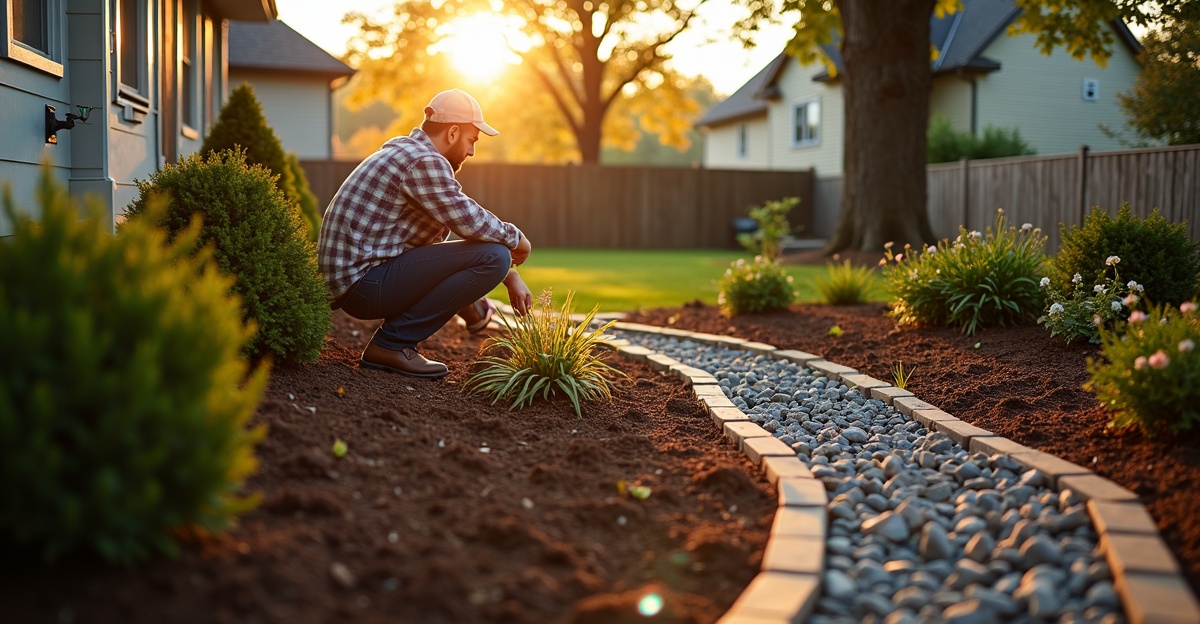
In Minnesota landscapes, we weigh performance over time, upkeep demands, drainage behavior, and how materials react to freeze-thaw cycles before we choose between mulch and rock. In Shakopee and nearby counties, clay soils, heavy rain, and wide seasonal swings push us to factor in installation quality, planting goals, and how long we plan to stay in the home.
Key Takeaways
- We spend less upfront on mulch, and it builds soil health, but we plan to refresh it every 1–2 years in Minnesota conditions.
- We invest more upfront in rock, and we prepare a solid base and strong edging to limit settling and frost heave movement.
- We don’t treat either option as maintenance-free; we replenish mulch regularly, and we manage weeds, clear debris, and re-level rock as needed.
- We prioritize drainage and proper grading over material choice, especially in clay-heavy soils and near foundations.
- We often recommend a balanced approach that pairs mulch in planting beds with rock in structured areas or places where we need added drainage support.
Mulch vs Rock Landscaping Comparison: What Actually Holds Up in a Minnesota Yard
Mulch is typically shredded hardwood or bark installed 2–4 inches deep in planting beds. We use it for moisture retention, weed suppression, soil insulation, and long-term soil improvement.
Landscape rock includes materials like river rock, limestone, granite, or trap rock installed over a prepared base. Proper installation usually includes edging and, in some cases, landscape fabric for separation.
In any mulch vs rock landscaping comparison, there’s no universal winner. The better choice depends on maintenance tolerance, drainage, sun exposure, planting goals, and how long we plan to stay in the home.
Here in Shakopee and across Scott, Carver, Dakota, and Hennepin Counties, conditions matter. Our freeze-thaw cycles shift materials every spring. Heavy rainfall and snowmelt test drainage. Clay-heavy soils hold water. Wide seasonal temperature swings stress both plants and ground coverings.
That’s why mulch vs rock Minnesota decisions can’t rely on national averages. The best landscaping material for Minnesota climate is the one that fits the specific yard, not just a trend. This landscaping materials comparison reflects what we see on local projects year after year.
Most homeowners reading this are weighing options before calling a contractor. That’s smart. A clear understanding now leads to better long-term results and fewer costly changes later.
Upfront Installation and Long-Term Cost: What You Really Pay Over Time
Mulch generally costs less upfront. Material is lighter. Labor is faster. Installation is straightforward when beds are properly edged and prepped.
Rock usually costs more at the start. Stone is heavier. Delivery costs increase. Base preparation and edging take time. Done correctly, it requires careful grading and compaction.
Rock vs mulch cost long term depends on replacement cycles and upkeep, not just the first invoice.
Mulch typically needs refreshing every year or every 1–2 years in Minnesota. It fades, decomposes, and shifts from rain and snowmelt. Those mulch maintenance costs add up over five to ten years.
Stone doesn’t decompose. That’s a real advantage. However, landscape rock maintenance still exists. Freeze-thaw movement can cause settling. Edges may need adjustment. Some installations require occasional top-dressing to maintain depth and appearance.
Labor makes a difference with both options. Strong edging keeps mulch in place and stops rock from migrating into turf. Proper base prep under stone reduces long-term settling. Poor installation increases future costs regardless of material.
Short-term budgets and long-term investment thinking produce different answers. If we’re preparing to sell in a few years, lower upfront mulch costs may make sense. If we plan to stay 10+ years, rock can reduce routine refresh cycles, assuming it’s installed correctly the first time.
For homeowners considering a broader upgrade, our full project management approach helps align material choice with long-term goals instead of isolated decisions.
Maintenance, Weed Control, and the “Maintenance-Free” Myth
Rock is often advertised as maintenance-free. That’s inaccurate.
Mulch for weed control works well at the proper 2–4 inch mulch depth recommended by PennState Exrension. It blocks light and suppresses germination. Over time, it breaks down and must be replenished to stay effective.
Rock slows weeds but doesn’t eliminate them. Landscape fabric can help initially, yet weeds often root in organic debris that settles on top of the stone. Leaves and dust become growing media.
Ongoing care looks different for each.
- Mulch landscaping pros and cons include occasional raking, edge redefining, and periodic replenishment.
- Rock landscaping pros and cons include debris removal, hand-pulling weeds lodged between stones, and re-leveling displaced areas.
Clay soil Minnesota conditions increase weed pressure in many yards. Compacted clay drains slowly. Disturbed soil under rock can hold moisture and encourage growth. Under mulch, improving soil structure gradually helps over time.
The honest answer is simple. Neither option eliminates maintenance. Maintenance tolerance should guide the decision.
Seasonal conditions matter here as well. Spring snowmelt moves lighter mulch on slopes. Autumn leaves collect easily in decorative rock and require extra cleanup. Every yard needs attention; it just shows up differently.
Drainage, Soil Health, and Freeze-Thaw Performance
Rock landscaping and drainage often work well together at the surface due to aggregate surface infiltration and permeability characteristics. Water flows through stone quickly. However, without proper grading and base preparation, water can sit in underlying clay.
Mulch absorbs and retains moisture. It moderates soil temperatures and protects root systems during summer heat and winter cold.
For landscaping for clay soil Minnesota properties, drainage planning matters more than material choice. Clay holds water. Improperly installed rock can trap moisture above compacted soil layers. Mulch helps regulate moisture but may wash out on slopes without solid edging.
Freeze-thaw cycles create movement every year due to frost heave and seasonal soil expansion processes. Rock can shift or settle due to frost heave. That’s common in our climate. Mulch acts as an insulating layer. It reduces rapid soil temperature changes and helps stabilize shallow roots.
Mulch or rock around foundation areas require careful grading either way. Maintaining recommended minimum grading slope away from residential foundations is critical regardless of whether mulch or rock is installed. Splash-back from heavy rain is often lower with stone, which makes it a practical option near siding. Drainage strategy outweighs material choice.
On slopes, weight matters. Rock landscaping for slopes can provide stability and resist erosion. Mulch on slopes may need deeper edges or added erosion control methods.
When hard surfaces are part of the plan, coordination is key. Our hardscape construction services often incorporate both materials to balance drainage, structure, and appearance.
Best Use Scenarios in Shakopee Yards
Mulch vs rock Shakopee decisions work best when based on real site conditions.
Around trees, shrubs, and planting beds focused on plant health, mulch often performs better. It slowly contributes organic matter and improves soil structure over time. That benefits root systems in our clay-heavy soils.
Near paver patios and structured spaces, rock complements clean lines and reduces splash onto surfaces. It pairs well with modern hardscapes and defined edges.
At the base of retaining walls, rock can assist with drainage and reduce soil contact against masonry. In shaded beds, mulch helps regulate cooler, moist environments. In full sun, rock reflects heat and may increase soil temperatures, which works for some drought-tolerant plants but stresses others.
Commercial properties or areas that are difficult to access sometimes lean toward rock to reduce yearly refresh cycles. Homes prioritizing soil improvement and plant vitality often favor mulch.
In many projects, the most effective design blends both materials. We’ve built plenty of outdoor spaces where structured zones feature stone and planting beds use mulch. Our outdoor living services support that balanced approach.
There’s no single best landscaping material for Minnesota climate. There’s only the best fit for the specific yard.
How to Decide: A Practical Checklist for Your Property
Before choosing mulch or rock, it helps to step back and evaluate the whole property.
Consider these factors:
- How much annual maintenance are we willing to handle?
- Is drainage currently an issue?
- Do slopes or erosion create ongoing problems?
- Is improving soil health and plant growth a priority?
- Are we planning to stay in the home long term?
Installation and upfront cost matter. Long-term cost and replacement cycles matter just as much. Maintenance requirements differ but never disappear. Weed control varies by depth, prep, and upkeep. Drainage performance depends heavily on grading. Soil impact, freeze-thaw movement, erosion control, and curb appeal all deserve consideration.
We approach every property with that full-picture mindset. As a hands-on local team, we focus on what makes sense for the yard, the budget, and the long-term plan. If it helps to review conditions on-site and talk through options, we’re always glad to connect through our contact page. The goal is simple: choose the material that holds up and supports the way we actually live in the space.
Frequently Asked Questions
The better option depends on drainage, soil type, and maintenance preferences. Mulch insulates roots and improves soil over time, which benefits plant health in freeze-thaw climates. Rock offers durability and surface drainage but can shift with frost heave. In cold regions with clay soil, proper grading and installation matter more than the material itself.
Mulch typically lasts one to two years before it needs refreshing. It naturally decomposes, fades in color, and can thin out from weather exposure. Landscape rock does not break down, but it may require occasional re-leveling or topping off. Long-term durability favors stone, while mulch requires regular replenishment.
Yes, stone can reflect and retain heat, raising soil temperatures in full sun. This may benefit drought-tolerant plants but can stress shade-loving or shallow-rooted varieties. Mulch moderates soil temperature by insulating the ground, keeping roots cooler in summer and more stable during winter temperature swings.
Mulch generally suppresses weeds more effectively when applied at a 2–4 inch depth. It blocks sunlight and reduces seed germination. Rock can slow weeds but does not prevent them entirely, especially as debris collects between stones. Both materials require ongoing maintenance to manage unwanted growth.
Mulch has a lower upfront cost but requires periodic replacement, which adds up over time. Rock involves higher initial installation expenses due to material and labor costs. However, stone does not decompose, reducing refresh cycles. Long-term cost depends on installation quality, maintenance tolerance, and how long you plan to stay in the home.