

Outdoor Living Trends This Year
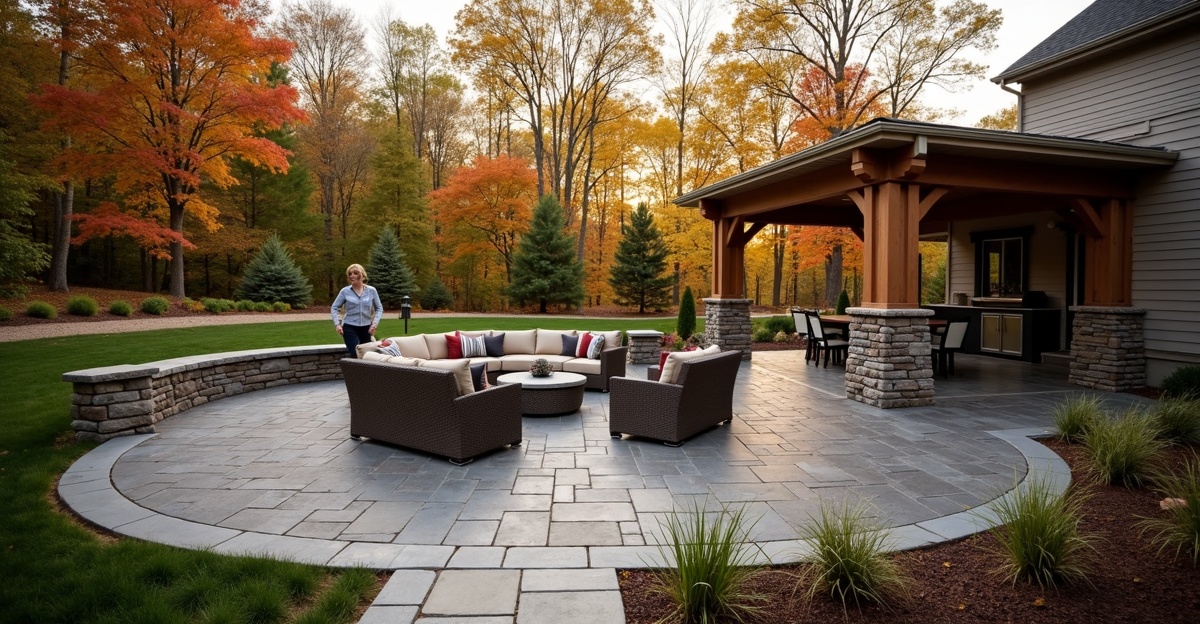
Outdoor living design trends this year reflect what actually works in Minnesota’s freeze-thaw cycles, heavy rains, and shifting soils. We focus less on magazine-ready features and more on performance that holds up year after year. The most practical Outdoor Living Trends This Year emphasize proper base preparation, smart drainage planning, four-season usability, and materials that deliver long-term value instead of short-lived curb appeal.
Key Takeaways
- Trends must meet five local standards: durability, drainage performance, manageable maintenance, four-season usability, and realistic return on investment. We evaluate every project against these benchmarks before we break ground.
- Proper excavation, compacted base layers, and accurate grading prevent patio heaving, wall movement, and drainage failures. We build from the ground up because surface beauty means nothing without structural support.
- Expanded paver patios, covered structures, and integrated kitchens perform best when we engineer them for snow loads, moisture control, and local soil conditions. Structural planning always comes before finishes.
- Retaining walls and drainage solutions must combine structural strength with functional design to manage slopes and protect foundations. We install systems that control water flow and stabilize soil at the same time.
- Low-maintenance plantings and integrated LED lighting improve usability and safety while supporting long-term performance. Smart selections reduce upkeep and keep outdoor spaces functional in every season.
What Actually Makes an Outdoor Trend Worth It in Minnesota
Outdoor living design trends this year look great in national magazines. Many of those lists overlook freeze-thaw cycles, clay-heavy soils, shifting subgrades, snow loads, and spring drainage issues we deal with here in Shakopee and across Scott County.
For us, outdoor living trends Minnesota homeowners should care about have to meet five basic standards: durability, drainage performance, manageable maintenance, four-season usability, and realistic return on investment. If a project can’t handle snow melt in March or heavy rain in June, it won’t hold up long term.
Freeze thaw hardscape considerations sit at the center of every project we build. Water infiltrates joints and small cracks. It freezes, expands, and forces materials apart, a process explained by freeze–thaw soil expansion described by university geotechnical research. Without the right base depth, compaction, and grading, patios heave, steps shift, and walls lean.
In our area, patios usually fail because of what’s underneath them. We see surfaces blamed, but the real issue is underbuilt base layers or poor slope that traps water. Proper excavation, compacted aggregate in lifts, and grading for backyard drainage solutions Minnesota properties require are the hidden factors behind lasting work.
Backyard upgrades with high ROI don’t mean vague resale promises. Locally, ROI shows up in ways that matter day to day:
- Usable square footage that actually fits how we live
- Erosion control that protects foundations and lawns
- Reduced long-term repair costs
- Spaces we use weekly, not once a season
We guide projects in three clear budget tiers. “Good” focuses on functional and durable. “Better” adds comfort and defined zones. “Long-term investment” integrates structures, lighting, and utilities into a cohesive plan. That balanced approach keeps expectations clear and results solid.
Expanded Paver Patios and Multi-Use Gathering Spaces That Handle Freeze-Thaw
One of the most practical paver patio trends we’re building is the shift from small concrete pads to larger, multi-use patios. Homeowners want space for dining, lounging, and gathering around a fire feature without crowding chairs into the yard.
Nationally, this reflects the push to blend indoor and outdoor living. Locally, performance matters just as much as appearance. Pavers handle freeze-thaw cycles better than poured concrete when installed correctly, a performance difference noted in engineering guidance on interlocking concrete pavement systems. Individual units flex slightly with movement. A properly prepared base, secure edge restraint, and high-quality polymeric sand all help the system move as a whole instead of cracking in large slabs.
Durable patio materials for cold climates include textured concrete pavers and tumbled finishes. Minnesota patio design trends also lean toward warmer regional color blends that hide salt residue and normal wear. These choices reduce visible staining and keep the patio looking clean year after year.
Shakopee outdoor living ideas must account for soil conditions. New developments often sit on compacted fill that continues to settle. Older neighborhoods may deal with long-term soil movement. We adjust excavation depth and compaction methods accordingly.
Grading is equally important. A patio should shed water away from the house and prevent low spots where ice can build up in winter. Proper slope supports backyard drainage solutions Minnesota homeowners need, even when snow melts quickly in early spring.
For budgeting, we generally see three levels:
- Good: A standard paver patio layout with the correct base depth, compaction, and drainage plan.
- Better: Multi-level design with built-in seating walls that help define dining and lounge zones.
- Long-term investment: Integrated lighting, fire features, and clear separation for cooking and relaxing.
For ideas on how to shape these zones, we often point homeowners to our guide on outdoor living space ideas. When built on a solid foundation, these expanded patios deliver long-term value through both function and durability.
Outdoor Kitchens and Built-In Cooking Areas in a Cold Climate
Outdoor kitchen trends cold climate homeowners are considering look impressive: built-in grills, prep counters, refrigeration, and storage. The appeal makes sense. Cooking outside reduces traffic in the house and keeps gatherings centered in one space.
In Minnesota, materials and construction methods matter. Temperature swings, moisture infiltration, and winter shutdown create stress on cabinetry, counters, and appliances. Masonry bases must sit on properly compacted foundations. Stainless steel components should be rated for outdoor exposure. Venting and drainage need clear planning so water doesn’t freeze inside enclosures.
Winterization is part of the build strategy. Shutoff valves must be accessible. Plumbing lines need proper pitch and drain-down capacity. Electrical components should be protected against moisture and frost movement.
Four season outdoor living spaces often include some form of overhead protection or wind control. A kitchen without coverage sees far less seasonal use. For homeowners who entertain frequently in spring, summer, and fall, an outdoor kitchen can be one of the stronger backyard upgrades with high ROI because it centralizes hosting and extends usable square footage.
That said, it’s not always the right fit. Small yards or low seasonal use may justify a simpler solution. We commonly outline tiers like this:
- Good: A high-quality portable grill station integrated into the patio layout.
- Better: Partial built-in with masonry base and limited utilities.
- Long-term investment: Full outdoor kitchen with gas, electrical, refrigeration, and structured overhead cover.
For planning specifics, our outdoor kitchen planning guide walks through layout and infrastructure details. Homeowners ready to integrate cooking into a complete design can explore our outdoor kitchens and dining areas services to see how we approach materials and foundations built for Minnesota weather.
Covered Structures and Four-Season Use: Pergolas, Pavilions, and Wind Protection
Pergolas and pavilions continue to lead outdoor living trends Minnesota homeowners request. Covered spaces define outdoor rooms, provide shade, and reduce sun exposure on patios and kitchens.
Here, engineering comes first. Structures must handle snow load requirements outlined in the Minnesota residential building code snow load standards. Posts should be properly anchored to frost-protected footings. Roof runoff needs to tie into overall drainage planning so water doesn’t dump directly onto patio edges or foundation lines.
Four season outdoor living depends on more than a roof. Prevailing winds in Scott and Carver County influence comfort. Strategic orientation, privacy screens, or partial walls can extend usability well into spring and fall. Heaters may add a few extra weeks, but full winter use usually requires enclosure.
Open pergolas offer filtered shade and visual structure. They require regular staining or sealing, and hardware should resist corrosion. Solid-roof pavilions provide stronger weather protection and expand functional time outdoors, though roofing materials and maintenance schedules vary by choice.
We design these structures as part of a broader plan. Through our outdoor living design services, we coordinate footings, roofing, lighting, and drainage so each element supports the next. Shakopee outdoor living ideas that include coverage often become the core gathering space for years to come because they feel intentionally built, not added as an afterthought.
Retaining Walls That Combine Structural Support with Design
Retaining wall design trends now blend function with appearance. Seating walls, terraced plant beds, and layered grade transitions add visual depth while solving slope challenges.
In many Scott County yards, retaining walls are structural necessities. Sloped lots require grade management to create flat patio space. Without proper engineering, walls can lean, bow, or fail under soil pressure and frost movement.
Freeze thaw hardscape considerations apply here as well. Drainage behind the wall is critical. Clean aggregate backfill, drain tile where needed, and proper compaction reduce hydrostatic pressure. Frost depth and footing preparation determine long-term stability.
Well-built walls also improve backyard drainage solutions Minnesota properties require. They redirect surface water away from foundations and reduce erosion during heavy rains. Integrating step units or seating caps can turn a required structural element into a comfortable gathering edge.
Budget varies based on wall height, access to the site, and engineering needs. A low seating wall along a patio perimeter differs significantly from a tall structural wall holding back several feet of grade. Clear planning upfront keeps surprises to a minimum.
Through our hardscape construction services, we focus on proper excavation, base preparation, and drainage layers first. The finished look matters, but what’s behind the block determines how long it performs.
Low-Maintenance Landscaping and Integrated Lighting Built for Durability
Low maintenance landscaping ideas continue to gain traction, and for good reason. Busy homeowners want clean design with less ongoing upkeep. Minnesota patio design trends increasingly pair structured hardscapes with hardy plantings that tolerate zone-specific winters and wet springs.
Plant selection should reflect local soil and moisture conditions. Native and adaptable species handle temperature swings better than delicate ornamentals. In drainage-prone areas, rock beds may outperform mulch by reducing washout, though mulch works well in protected zones where soil health is the priority.
Integrated LED lighting systems have also become standard rather than optional. They extend evening use, highlight steps, and increase safety around transitions. Low-voltage systems must be installed with moisture resistance in mind. Wiring should avoid areas where frost movement or water pooling could damage components.
A well-lit patio or walkway feels complete. Fixtures should accent seating walls, illuminate cooking areas, and define edges without glare. Our landscape lighting services focus on long-term reliability, with thoughtful placement and protected connections.
Planting and lighting function as the finishing layer. They enhance backyard upgrades with high ROI by protecting soil, improving usability, and tying the space together visually. When built on a drainage-forward foundation and sound hardscape structure, these final elements help outdoor living trends translate into practical, long-lasting value for Minnesota homes.
Frequently Asked Questions
The most popular outdoor living design trends this year focus on functional spaces that extend everyday living outdoors. Homeowners are investing in larger patios, outdoor kitchens, covered structures like pergolas or pavilions, and integrated lighting. Durable materials and proper drainage planning are also key priorities, especially in climates with freeze-thaw cycles, ensuring outdoor spaces remain usable and structurally sound year after year.
Designing an outdoor living space for cold climates requires materials and construction methods that handle freeze-thaw cycles. Proper excavation, compacted base layers, and correct patio grading prevent shifting and water damage. Choosing flexible materials such as concrete pavers instead of large poured slabs also helps. Covered structures, wind protection, and well-planned drainage further extend seasonal usability.
An outdoor kitchen can be worthwhile in colder regions if it’s designed for seasonal weather changes. Using weather-resistant materials, proper masonry foundations, and stainless steel appliances rated for outdoor use improves durability. Planning for winterization, including accessible shutoff valves and drainable plumbing lines, prevents damage and simplifies seasonal shutdown when temperatures drop.
Concrete pavers are among the best patio materials for freeze-thaw climates because individual units can shift slightly without cracking. A properly compacted aggregate base and high-quality joint sand allow the system to move with ground changes. Textured or tumbled pavers also help hide salt residue and normal wear, keeping patios visually consistent through harsh seasonal conditions.
Creating a low-maintenance outdoor living space starts with durable hardscape materials and strategic landscaping. Native or climate-adapted plants reduce watering and seasonal care, while rock beds can minimize mulch washout in drainage-heavy areas. Adding integrated LED landscape lighting improves safety and usability without constant upkeep, allowing the space to stay functional with minimal ongoing maintenance.