

Fall Yard Upgrade Planning
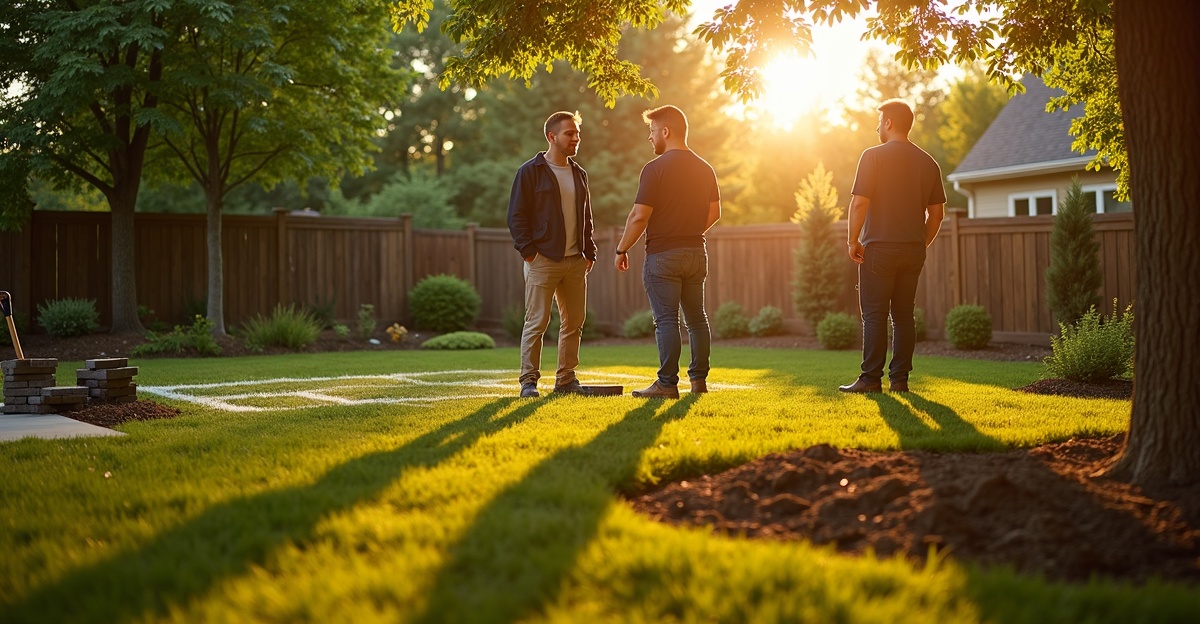
In Minnesota, the best time to plan fall yard upgrades begins in midsummer. We still have long daylight hours, workable soil, and open spots on the schedule. Early planning gives us time for design, permits, material lead times, and proper base preparation. Strong preparation ensures patios, retaining walls, drainage systems, and outdoor living features handle freeze‑thaw cycles and perform reliably in spring.
Key Takeaways
- Minnesota’s fall construction window usually runs from late August through October, with frost and frozen soil limiting late‑season builds.
- Projects that require excavation and base compaction must wrap up before consistent freezing to prevent settling and movement in spring.
- Larger upgrades like outdoor kitchens, multi-level patios, and retaining walls require planning in July or August for smooth fall completion.
- Permits, inspections, and specialty material lead times often extend timelines, especially as daylight hours decrease.
- If we start planning too late in fall, we often finalize the design and schedule construction for early spring rather than risk long‑term performance.
Why Timing Matters More in Minnesota Than in Warmer Climates
Planning outdoor upgrades in Minnesota follows a different rhythm than it does in southern climates. Our construction season is shorter, and the weather carries more weight in how hardscapes perform over time.
In Shakopee and surrounding areas, the average first frost typically falls between late September and mid-October according to NOAA climate data on average first frost dates in Minnesota. That window matters. Once consistent freezing temperatures arrive, soil conditions change quickly. Freeze-thaw cycles begin working against any project that doesn’t have proper base preparation or compaction.
Hardscaping in this climate must account for movement. Water expands as it freezes, a physical process explained in National Weather Service resources on freeze-thaw soil cycles. Soil shifts. If the groundwork isn’t complete before consistent freezing, patios and retaining walls can settle unevenly in spring. We plan differently here because durability depends on it.
Soil temperature also plays a role. As the ground cools, compaction becomes less forgiving, which reflects civil engineering guidance on soil compaction and temperature conditions in construction. Base materials need to be installed and compacted before frost penetrates the soil. Adhesives and polymeric sand cure more slowly in cooler conditions, which aligns with hardscape installation guidance on polymeric sand curing temperatures. That doesn’t mean we can’t build in fall. It means we adjust our methods and timelines to protect long-term performance.
Daylight hours shrink quickly after Labor Day. That affects production schedules and inspection timing. Fewer daylight hours naturally extend construction timelines compared to midsummer builds.
Weather patterns shift from year to year. Some seasons stay mild well into October. Others bring early frost or snow. There’s no single “perfect” date. In Minnesota, the best results come from planning ahead and staying flexible with start dates as conditions develop.
The Typical Fall Construction Window in Shakopee and Surrounding Counties
For most Minnesota homeowners, a realistic fall hardscaping timeline runs from late August through October. Weather always has the final say, but that’s the general construction window we work within.
Landscaping before winter in Minnesota means working around frozen ground risks, early snow chances, and limited municipal inspection windows. In Shakopee, Scott County, Carver County, Dakota County, and Hennepin County, some permits and inspections can be harder to coordinate once temperatures drop consistently.
Larger builds require earlier starts. A multi-level patio, outdoor kitchen, or retaining wall system needs time for:
- Excavation and proper base installation
- Utility coordination
- Material lead times
- Inspections where required
Those projects typically need to begin in late summer for comfortable fall completion. A full outdoor kitchen and dining area, for example, often ties into utilities and masonry work similar to our outdoor kitchens and dining areas projects. That scale can’t be rushed into a short window.
Smaller projects sometimes fit into later-season openings. A simple patio extension or small fire feature may be possible in September if conditions cooperate. However, we stay honest about feasibility. Not every project should be squeezed into late fall.
As a Carver County hardscaping contractor and part of Scott County landscaping services, we focus on long-term stability. If the timing doesn’t support quality construction, it’s better to move a project to spring than compromise the base work.
The Ideal Planning Timeline: When to Start If You Want Fall Completion
The best time to plan fall yard upgrades is earlier than most homeowners expect. If we want a patio completed by mid-October, planning often begins in July or August.
A dependable landscape project planning timeline usually follows these phases.
Consultation Through Design
We start with a site visit and consultation. That helps us evaluate grading, drainage, access, and overall layout. From there, we develop a clear design plan. Projects that involve multiple elevations or integrated features may benefit from a structured approach like our outdoor living design process.
During this stage, we also define budget expectations. Homeowners who want clarity upfront often review a backyard budget planning guide before finalizing scope. That helps align priorities with available investment.
Materials, Permits, and Scheduling
Once we finalize the layout, we move into material selections. Specialty pavers, wall blocks, or custom caps can carry lead times. Waiting until September to choose materials can limit options.
Permitting may be required in Shakopee or surrounding counties, especially for retaining walls above certain heights or projects near property lines. Permits add time. Inspections do as well.
After approvals and material ordering, we schedule excavation, base prep, installation, and a final walkthrough. Shakopee landscape contractor scheduling typically fills steadily as summer progresses. That’s not about scarcity. It’s about a fixed season and real weather constraints.
Minnesota homeowners who plan patio installation for fall should assume that serious conversations begin in midsummer. That approach keeps the timeline comfortable and protects workmanship.
Project-Specific Fall Timing Considerations
Every upgrade carries its own timing considerations. Fall can be a great season for construction, but details matter.
Paver patios require thorough excavation and compaction before consistent freezing. The base must be installed and compacted while soil conditions are workable. Polymeric sand and joint stabilization depend on dry conditions and proper curing temperatures. Our hardscape construction process accounts for these realities so the patio holds up through winter.
Retaining wall installation in fall follows similar logic. Footings and base layers need stable ground. Once soil freezes, achieving proper depth and compaction becomes difficult. Walls built on compromised bases often show movement in spring. We avoid that by setting firm scheduling cutoffs when needed.
Drainage repair before winter in Minnesota often delivers strong value. Addressing water flow before snowmelt reduces the risk of erosion or foundation stress. Fall is a smart time to correct grading and prevent spring headaches.
Outdoor living features also influence the overall outdoor living space construction timeline. Fire pits and fireplaces require coordination with masonry and sometimes gas lines. Lighting systems involve planning and wiring similar to our landscape lighting installations. Adding electrical components extends timelines slightly, especially as daylight hours shrink.
Fall still offers clear benefits. Crews work better in cooler temperatures. Materials aren’t exposed to extreme heat. Drainage improvements have time to settle before spring thaw. When planned properly, fall construction performs very well in Minnesota.
What Can Happen If Planning Starts Too Late
Projects that begin planning in late September or October often run into practical limits.
Reduced scheduling flexibility is the first challenge. By that point, much of the fall calendar is already committed.
Weather delays become more frequent. Rain, early snow, or sudden hard freezes can interrupt excavation and base work. Frozen ground limits digging depth and compaction effectiveness.
Municipal inspection windows may tighten later in the season. If inspections are delayed by weather, the project timeline stretches further.
None of this means fall projects are risky. It means timing matters. In some cases, the better choice is to develop the plan in fall and build early in spring. That approach protects long-term value and workmanship rather than rushing to beat winter.
For homeowners reviewing ideas late in the season, it’s helpful to understand common landscaping mistakes to avoid so that next season’s project starts strong.
How to Prepare Now for a Smooth Fall Project
Good planning supports durability and craftsmanship. A few practical steps help set up a successful fall build in Shakopee and surrounding counties.
Start by clarifying priorities. Decide whether the focus is a patio, retaining wall, drainage correction, fire feature, or full outdoor kitchen.
Next, establish a comfortable investment range. Clear financial parameters help guide smart material and layout decisions.
It also helps to:
- Gather inspiration photos and identify must-haves versus nice-to-haves
- Review property lines, setbacks, and HOA rules
- Think through lighting and utility needs early
- Schedule consultations before midsummer if fall completion is the goal
Homeowners planning larger backyard changes may benefit from reviewing a full yard makeover plan to understand how phases fit together.
Early conversations allow us to evaluate site conditions, develop a clear layout, and schedule responsibly. That planning supports quality from excavation through final walkthrough.
For anyone considering fall landscaping in Shakopee MN or nearby counties, we encourage honest discussions early in the season. Our team stays hands-on from first consultation through completion, focusing on long-term performance rather than quick turnarounds. When timing aligns with proper preparation, fall yard upgrades can carry lasting value well into the next spring and beyond.
Frequently Asked Questions
The best time to plan fall yard upgrades in Minnesota is midsummer, typically July or early August. Planning early allows time for design, permits, material ordering, and contractor scheduling before the fall construction window begins. Since most outdoor projects must be completed before consistent freezing temperatures arrive, starting the planning process months ahead helps ensure proper excavation, base preparation, and installation.
Some smaller landscaping projects can still be completed in early fall, but options become limited as temperatures drop. Excavation, base compaction, and masonry work require workable soil and mild conditions. Once the ground begins freezing or snowfall becomes frequent, many contractors pause hardscape installations to prevent long-term settling, shifting, or structural issues the following spring.
Planning and building a fall patio or retaining wall usually takes several weeks from consultation to completion. The timeline includes site evaluation, design development, permit approvals, material ordering, and construction scheduling. Larger projects such as multi-level patios or retaining wall systems often require earlier planning to ensure excavation and base preparation can be finished before colder weather arrives.
Early planning is important because fall construction seasons are short in colder climates like Minnesota. Contractors must complete excavation, compaction, and installation before the ground freezes. Starting the planning process early also helps secure contractor availability, coordinate permits or inspections, and avoid delays caused by material lead times or unpredictable weather conditions.
If planning begins too late in the fall, many outdoor projects may be postponed until spring. Frozen soil, reduced daylight hours, and limited contractor availability can make proper installation difficult. Rushing construction late in the season can compromise base preparation and long-term stability, so many professionals recommend finalizing designs in fall and scheduling construction for early spring instead.