

Landscaping Mistakes to Avoid
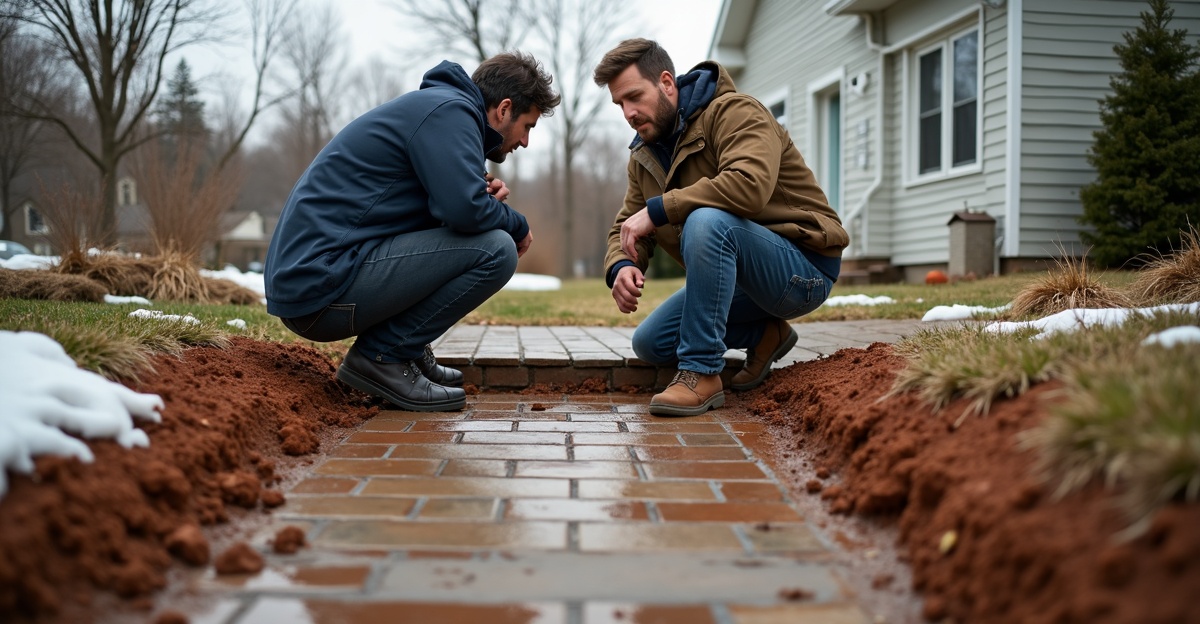
Understanding common landscaping mistakes helps us protect yards from drainage failure, sinking patios, and material breakdown caused by Minnesota’s clay soil and freeze-thaw cycles. Most expensive landscape issues start with poor grading, weak base prep, wrong material choices, and rushed planning decisions that we could have prevented before installation.
Key Takeaways
- Poor drainage and incorrect grading create foundation moisture problems, erosion, and long-term structural damage.
- Weak base preparation and improper soil compaction cause pavers to sink, retaining walls to lean, and surfaces to shift during frost cycles.
- Materials not rated for Minnesota’s climate crack, deteriorate, and fail long before their expected lifespan.
- Choosing a contractor based on price alone often ignores critical factors like base depth, drainage layout, and accountability for workmanship.
- DIY projects can succeed for simple cosmetic upgrades, but structural elements require professional planning to avoid expensive repairs later.
The Costly Mistakes That Damage Your Yard and Budget
Landscaping is a serious investment for homeowners in Shakopee and across Scott, Carver, Dakota, and Hennepin Counties. Most major failures we see could have been prevented with better planning from the start.
Homeowners researching common landscaping mistakes to avoid usually want clear guidance before committing to patios, retaining walls, drainage systems, or complete outdoor living spaces. That’s a smart approach. In Minnesota, shortcuts rarely hold up for long. Clay-heavy soils, deep frost, spring thaw, snow load, heavy rain, and freeze–thaw cycles that cause soil expansion and contraction all put pressure on outdoor structures.
We’ve repaired settled pavers, leaning retaining walls, and yards where water pools near foundations. Those problems are frustrating and expensive. The good news is they’re preventable with the right plan, proper installation methods, and materials suited to our climate.
Ignoring Drainage and Grading: The Root of Most Yard Failures
Yard drainage problems and grading issues are behind most long-term failures. Water management isn’t a cosmetic detail. It’s structural.
Improper grading leads to pooling near foundations, basement moisture issues, erosion that washes out mulch and soil, and dangerous ice buildup in winter. Minnesota soil conditions make this worse. Our clay soils drain slowly because clay soils have low permeability and compact easily, which increases water retention. Combine that with heavy spring rains and rapid snowmelt, and small grading mistakes quickly become big ones.
Clear warning signs of poor drainage include:
- Standing water 24–48 hours after rainfall
- Visible erosion channels cutting through beds or turf
- Water flowing toward the house instead of away from it violates the principle of proper grading to direct water away from foundations
Experienced contractors address drainage early in the design process. We plan elevations before installing patios or planting beds. We shape swales, adjust grades, and install drains when needed. Hardscape should never go in before water flow is understood.
For homeowners planning improvements, our guide on how to plan a full yard makeover outlines the order of decisions that help prevent costly drainage corrections later.
Poor Base Preparation and Soil Oversight: Why Patios Settle and Walls Lean
Many paver patio installation mistakes and retaining wall issues start below the surface. What we can’t see matters more than what we can.
Compaction is critical. Soil and aggregate base must be installed and compacted in controlled layers, called lifts. Skipping this step creates voids that settle over time. Base depth also matters. In Minnesota, patios need adequate aggregate thickness to handle frost movement and the freeze thaw cycle every year.
Clay soil expands when wet and contracts when dry. During spring thaw, weak subgrades shift. Without proper preparation, that movement transfers directly into the patio or wall above.
The result can show up quickly:
- Sinking or shifting pavers within the first one to three seasons
- Gaps forming between pavers
- Retaining walls leaning or bulging due to hydrostatic pressure buildup behind retaining walls and poor backfill practices
These hardscape installation mistakes often trace back to rushed timelines or underestimated frost depth. Cutting base thickness might lower an initial price, but it almost always increases long-term cost.
For homeowners evaluating contractors, our overview of the landscape installation process explained walks through the proper sequence, including soil preparation, compaction, and inspection before surface materials are installed.
When structural elements are involved, professional hardscape construction isn’t about appearance alone. It’s about building for Minnesota soil conditions and frost movement from day one.
Choosing Materials That Don’t Belong in a Minnesota Climate
Some landscaping mistakes in Minnesota come down to material selection. A product that performs well in a milder climate can fail quickly here.
Non–frost-resistant pavers can crack after repeated freeze thaw exposure. Low-grade block may absorb water and deteriorate. Certain products don’t tolerate deicing salts. Wood elements not rated for ground contact break down faster than expected.
Short-term savings often turn into earlier repairs or full replacements. Maintenance increases. Appearance declines. Property value drops.
We recommend choosing materials based on durability in cold climates, frost resistance, and proper installation techniques. That applies to patios, retaining walls, outdoor kitchens, fire features, and water features alike.
Material choices should be part of broader landscape design planning, not an afterthought. For homeowners refining planting and bed selections, our resource on choosing the right landscape plants explains how climate, sun exposure, and soil type influence long-term performance.
Outdoor spaces built for Minnesota conditions last longer. That’s a straightforward, practical decision.
Skipping Proper Planning and Hiring on Price Alone
Poor planning creates awkward layouts, traffic flow problems, uncomfortable sun exposure, and maintenance headaches. Once hardscape is installed, adjustments become expensive.
Effective layout begins with clear landscape design planning. We study sun and shade patterns throughout the day. We plan drainage before focusing on finishes. We think five to ten years ahead, factoring in tree growth and maintenance access.
Homeowners researching how to plan a landscaping project often gather multiple bids. That’s wise. Cost matters. Price alone, however, shouldn’t decide the outcome.
Landscaping contractor red flags include vague estimates, no discussion of grading or drainage, no explanation of base depth or compaction, and unusually low bids compared to others.
Before signing a contract, ask:
- How will drainage and grading be handled?
- What base depth is used for patios in Minnesota?
- How is clay soil and frost movement addressed?
- What workmanship warranty is provided?
- Who manages the project from consultation to final walkthrough?
Thorough answers signal accountability. Consistent oversight makes a difference. Structured full project management keeps design, site preparation, installation, and final details aligned instead of fragmented across multiple crews.
For homeowners organizing their ideas, our backyard renovation checklist helps prioritize steps before construction begins.
DIY Decisions: Knowing When It Makes Sense and When It Carries Risk
DIY projects aren’t always a mistake. Planting perennials, refreshing mulch, or reshaping smaller garden beds can make sense for homeowners who enjoy hands-on work. Projects like comparing materials in our article on mulch vs rock or reviewing the benefits of mulch in landscaping are practical starting points.
Structural elements involve greater risk. Retaining walls over a few feet tall require careful engineering and drainage. Major grading changes can redirect water in unintended ways. Structural patios must account for frost depth and base preparation. Drainage corrections tied to foundations directly affect home integrity.
Mistakes in these areas impact safety, resale value, and long-term water infiltration. Repairs become more invasive and expensive than doing it right the first time.
Avoiding common landscaping mistakes comes down to thoughtful planning, understanding Minnesota conditions, and choosing craftsmanship over shortcuts. When plans are built on sound drainage, proper soil preparation, and climate-appropriate materials, outdoor spaces perform the way they should for years to come.
Frequently Asked Questions
The most common landscaping mistakes include poor yard grading, inadequate drainage planning, weak base preparation for patios, and choosing materials not suited for cold climates. These errors often lead to water pooling, foundation moisture issues, sinking pavers, and cracked surfaces. Many problems begin below ground, where improper soil compaction and insufficient aggregate base depth cause long-term structural failure.
Drainage is critical because unmanaged water can damage foundations, erode soil, and weaken hardscape structures. In clay-heavy soils, water drains slowly and increases hydrostatic pressure behind walls and under patios. Proper grading, swales, and drainage systems redirect runoff away from structures, preventing moisture intrusion and frost-related movement during seasonal freeze-thaw cycles.
In cold climates, a paver patio typically requires a compacted aggregate base deep enough to handle frost movement, often 8–12 inches or more depending on soil conditions. The base must be installed in compacted layers to prevent settling. Without adequate depth and compaction, patios can shift, sink, or develop uneven surfaces within just a few seasons.
No, correcting landscaping mistakes later is usually more expensive than installing them properly from the start. Repairs often require removing finished surfaces, regrading soil, rebuilding bases, and replacing damaged materials. Addressing drainage, soil preparation, and material selection during initial construction helps avoid costly reconstruction and long-term structural damage.
You should hire a professional for structural elements like retaining walls, major grading changes, drainage systems, and large patios. These projects require knowledge of soil compaction, frost depth, and water management. DIY work is better suited for cosmetic updates such as planting beds or mulch refreshes, while structural installations demand proper engineering and installation techniques.