

Low-Maintenance Landscaping Ideas
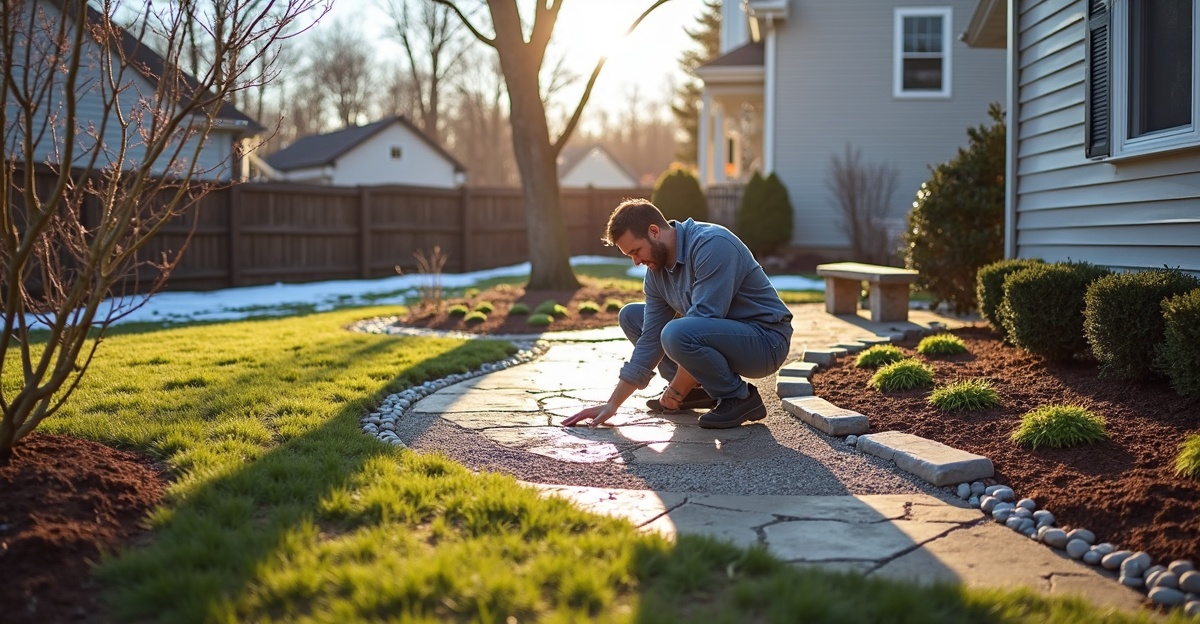
Homeowners researching low maintenance landscaping ideas backyard projects in Minnesota need to understand that true simplicity comes from smart grading, durable hardscape, and climate‑appropriate plant choices rather than eliminating upkeep altogether. We reduce turf, correct drainage early, and invest in solid base preparation for patios and retaining walls to cut weekly labor while building a yard that stands up to freeze‑thaw cycles and heavy spring melt.
Key Takeaways
- Low maintenance means reducing ongoing labor through smart design, not creating a maintenance-free yard.
- Hardscape-first layouts with properly prepared bases minimize mowing, erosion, and long-term repairs.
- Correct grading and drainage prevent repeated lawn damage, pooling water, and foundation concerns.
- Native and cold-hardy plants lower watering, pruning, and replacement needs over time.
- Phased improvements—such as lawn reduction, rock installation, or a new patio—often deliver lasting value without a full renovation.
What Low Maintenance Really Means in a Minnesota Backyard
Low maintenance doesn’t mean maintenance-free. In Minnesota, there’s no such thing as a backyard that never needs attention.
Freeze-thaw cycles shift soil, a common issue in cold climates due to freeze–thaw soil expansion and contraction. Clay holds water because clay soils drain slowly and compact easily, which affects root health and drainage. Snow piles up against edges and patios. Spring melt can overwhelm poorly graded yards. In Shakopee and nearby communities, those realities shape how every landscape performs over time.
When homeowners ask for low maintenance landscaping ideas backyard spaces can rely on, we set clear expectations. We aim for fewer weekly chores, less watering, reduced mowing, and durable materials that hold up through long winters. That’s very different from promising zero upkeep.
Smart design makes the difference. We can reduce open lawn areas. We can replace high-maintenance beds with well-defined hardscape. We can select plantings that handle our climate without constant attention. What we won’t do is oversell a full backyard renovation Shakopee-style if it’s not needed.
Most properties benefit from thoughtful adjustments rather than a complete overhaul. The goal is simple: build a yard that fits real Minnesota conditions and reduces effort year after year.
Hardscape-First Design That Reduces Ongoing Work
Grass takes time. Mowing, trimming, edging, fertilizing—it adds up. Converting high-traffic lawn areas into hardscape often makes the biggest impact on maintenance.
A well-built paver patio in Shakopee MN reduces mowing, eliminates muddy shortcuts, and creates functional space for gathering. It also boosts curb appeal and long-term value. We treat base preparation seriously because freeze-thaw cycles will expose shortcuts fast. Proper excavation, compacted aggregate base, and thoughtful drainage planning are what keep patios level and stable through Minnesota winters.
The same holds true for slopes. Experienced retaining wall contractors Shakopee homeowners trust can reshape difficult grade changes into clean, usable tiers. Retaining walls prevent erosion, stabilize soil, and reduce repeated repairs after heavy rain or snowmelt. They also minimize steep areas that are difficult to mow safely.
For many yards, we recommend a hardscape-first approach as part of thoughtful outdoor living design. That might include:
- Defined patio zones to reduce lawn square footage
- Stepping stone paths that control foot traffic
- Clean edging between beds and turf
- Permanent gathering spaces instead of constantly regrading worn grass areas
There’s a trade-off. Upfront investment is higher for quality hardscaping. Ongoing labor and seasonal upkeep are much lower. Over time, that balance often favors durable construction.
Professional installation matters. Drainage slopes, compaction, and base depth aren’t optional details. They determine whether a patio or wall lasts five years or twenty. We approach every hardscape construction project with long-term durability in mind.
Backyard Drainage Solutions That Prevent Ongoing Problems
Grading controls everything. Many maintenance headaches trace back to poor drainage rather than plant choice.
If the yard slopes toward the home, water collects at the foundation. If runoff funnels across lawn panels, it strips seed and creates mud. If patios sit too low, pooling forms around edges. No amount of new plants fixes those issues.
We often address backyard drainage solutions Minnesota homeowners commonly need by correcting grade early in the process. That may include reshaping soil to move water away from foundations, installing swales, or adjusting patio elevations to prevent pooling.
Poor drainage creates long-term problems:
- Repeated lawn damage after spring thaw
- Erosion around beds and hardscape
- Moisture concerns near foundations
- Ongoing repair costs that never seem to end
In Scott, Carver, Dakota, and Hennepin Counties, heavy spring rains and snowmelt test every installation. Addressing drainage during construction costs far less than repairing sinking patios or re-sodding year after year.
We also explain our workflow clearly before breaking ground. Homeowners who review our landscape installation process explained page understand how grading and base prep fit into the overall plan. That transparency prevents surprises and builds trust.
Plant Smarter: Native and Climate-Appropriate Selections
Plants should work with Minnesota’s climate, not fight it. Native plants Minnesota landscaping depends on have deep roots and strong seasonal cycles, as explained in Minnesota resources on the benefits of native plants. They handle temperature swings, periodic drought, and heavy snow load better than many imported varieties.
Native grasses anchor soil through deep root systems that stabilize soil and reduce erosion. Cold-hardy perennials return reliably. Resilient shrubs provide structure without constant pruning. Deep root systems also improve drainage and help suppress weeds once established.
We often compare large turf lawns with strategic lawn reduction. Lawns require frequent mowing, fertilizing, watering, and weed control. Replacing sections of turf with planting beds or hardscape significantly lowers weekly labor.
That doesn’t mean planting beds need constant attention. Low upkeep designs rely on thoughtful groupings and durable materials. Decorative rock landscaping ideas paired with drought-tolerant plant clusters limit mulch replacement and reduce replanting.
For homeowners evaluating plant options, our guide on choosing the right landscape plants outlines what performs well locally.
Seasonal care still happens. Perennials need to be cut back. Shrubs may need occasional shaping. Low maintenance means manageable effort—not neglect.
Decorative Rock, Groundcovers, and Lawn Reduction Strategies
Decorative rock can dramatically reduce mowing and trimming when installed correctly. Proper base preparation, landscape fabric where appropriate, and defined edging prevent migration and weed intrusion.
In Minnesota clay soils, rock works well in areas with stable drainage and minimal water flow. Placing rock in low, poorly draining zones without correcting grade first can trap moisture and create settling issues. Installation quality determines whether rock simplifies maintenance or adds frustration.
Many Shakopee landscaping ideas focus on phased lawn reduction. We don’t push full redesigns if a homeowner prefers gradual change. Removing one high-maintenance lawn section, installing a small patio, or converting a narrow side yard to rock and shrubs can deliver noticeable relief.
When comparing materials, cost and upkeep matter. Rock typically carries higher upfront cost but avoids annual replenishment. Mulch is more affordable initially and benefits soil health but needs refreshing over time. Homeowners weighing options can review mulch vs. rock for a straightforward breakdown.
Groundcovers also play a role. Low-growing, hardy varieties reduce exposed soil and suppress weeds once established. They require less mowing than turf and add visual texture.
Clear edging between lawn and beds makes the biggest difference. Crisp borders reduce trimming time and keep materials where they belong.
Realistic Costs, Long-Term Value, and When Professional Installation Makes Sense
Low maintenance landscaping is an investment. Hardscape installations like patios and retaining walls typically involve higher upfront costs than seed or sod. However, annual mowing, regrading, fertilizing, and repair expenses add up quickly.
Over several seasons, lower labor demands and reduced material replacement often narrow that gap. Durable construction protects value. Thoughtful grading prevents costly foundation or drainage fixes.
Professional design-build services make the most sense in specific situations:
- Significant grade corrections
- Structural retaining walls
- Integrated drainage systems
- Complex patios or multi-level outdoor spaces
In these cases, experience prevents failure. We coordinate every phase through full project management, from excavation to final walkthrough. Clear timelines, honest communication, and clean job sites matter just as much as craftsmanship.
Not every yard needs a complete renovation. Phased improvements often deliver strong results. A patio this year. Drainage corrections next season. Strategic planting upgrades after that.
Homeowners who want clarity before committing can review our backyard renovation checklist or explore additional insights on our landscaping blog. When it makes sense to talk through options, we’re available for a practical, no-pressure consultation through our contact page.
We focus on building outdoor spaces that hold up in Minnesota conditions, reduce unnecessary work, and feel right for the property. Careful planning now leads to years of simpler upkeep.
Frequently Asked Questions
The best low maintenance backyard landscaping ideas for cold climates focus on durable hardscape, proper grading, and cold-hardy plants. Paver patios, retaining walls, and defined planting beds reduce mowing and erosion. Native grasses and perennials suited to freeze-thaw cycles require less watering and replacement. Prioritizing drainage and soil preparation prevents long-term damage from snowmelt and heavy spring rain.
You can reduce lawn size by converting high-traffic or unused areas into patios, planting beds, decorative rock zones, or groundcovers. This lowers mowing, edging, fertilizing, and watering needs. Start with sections that are difficult to mow or frequently damaged. Phased lawn reduction allows you to simplify maintenance over time without committing to a full landscape renovation at once.
Decorative rock generally lasts longer and does not need yearly replenishment, making it lower maintenance over time. However, it requires proper base preparation and edging to prevent weed growth and shifting. Mulch improves soil health and is less expensive upfront but needs periodic refreshing. The better option depends on drainage conditions, plant types, and long-term upkeep goals.
Drainage is critical because poor grading leads to pooling water, erosion, and repeated lawn damage. Correcting slope and managing runoff reduces repair costs and prevents foundation moisture issues. Swales, proper patio elevations, and compacted base layers protect hardscape and planting areas. Addressing drainage early creates a backyard that stays stable and requires fewer seasonal fixes.
No backyard is completely maintenance-free, especially in regions with snow, clay soil, and seasonal temperature swings. Even low maintenance landscaping ideas backyard designs require occasional pruning, debris cleanup, and minor repairs. The goal is to reduce weekly labor and long-term problems through smart material choices and climate-appropriate plants, not eliminate upkeep entirely.